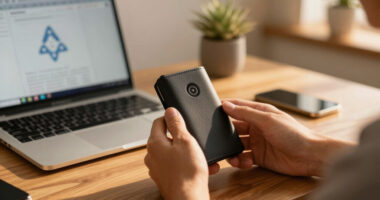
To safeguard your crypto assets, stay aware of common scams like phishing emails, fake websites, and social engineering tricks. Always verify sources before sharing private keys or seed phrases, and never store them online. Use strong, unique passwords and enable two-factor authentication. Keep your devices and wallets updated, and avoid public Wi-Fi for transactions. Practicing these steps can greatly reduce risks—if you’re keen to learn more, you’ll find valuable tips ahead.
Key Takeaways
- Always verify sources and avoid sharing private keys or seed phrases to prevent scams and theft.
- Use hardware wallets and offline storage to protect private keys from online hacking attempts.
- Be cautious of phishing emails, fake websites, and suspicious links that mimic legitimate crypto services.
- Keep device software updated, install security tools, and avoid public Wi-Fi for crypto transactions.
- Educate yourself on common scams and develop good security habits to stay vigilant against hacking threats.

Are you confident your cryptocurrency holdings are secure? If not, you’re not alone. The world of crypto is full of risks, and scammers are constantly evolving new ways to steal your assets. That’s why understanding digital wallet safety and phishing awareness is critical. Your digital wallet is your primary line of defense, so it’s essential to keep it secure. Use strong, unique passwords and enable two-factor authentication whenever possible. Avoid storing your private keys or seed phrases online or on devices connected to the internet; instead, opt for offline storage, like hardware wallets or secure physical copies stored in a safe place. These steps considerably reduce the risk of hacking attempts or malware infections that could compromise your wallet.
Secure your crypto: use strong passwords, enable two-factor authentication, and store private keys offline in a safe place.
Phishing scams are another major threat to crypto users. These scams often come in the form of fake emails, messages, or websites designed to look legitimate. Scammers prey on users’ trust, convincing them to reveal private information or transfer funds to malicious accounts. To stay safe, always verify the source before clicking links or sharing sensitive information. Remember, reputable organizations will never ask for your private keys or seed phrases via email or messaging apps. Be skeptical of urgent requests or offers that seem too good to be true. If you receive a suspicious message, don’t respond or click any links; instead, visit the official website directly or contact customer support through verified channels.
In addition, keep your device’s software up to date. Regular updates patch security vulnerabilities that hackers might exploit. Install reliable antivirus and anti-malware software, and run scans periodically. Avoid using public Wi-Fi networks when accessing your crypto accounts, as these networks are often insecure and vulnerable to eavesdropping. Consider using a virtual private network (VPN) to encrypt your internet traffic when you’re on public or untrusted networks. Implementing security best practices can further help protect your assets from cyber threats.
Being vigilant about digital wallet safety and phishing awareness can save you from costly mistakes. Never share your private keys or seed phrases with anyone, and be cautious when dealing with unfamiliar contacts or platforms. Educate yourself about common scams, stay informed about recent hacking techniques, and always double-check URLs and sender information. Protecting your crypto isn’t just about technology—it’s about developing good habits and staying alert. The more proactive you are, the safer your assets will remain. Remember, in the world of crypto, vigilance is your best defense.

Bitkey Bitcoin Hardware Wallet - Secure Wallet for Self Custody, No Seed Phrase, 2-of-3 Multisig Security, NFC Device, iOS and Android Compatible
- Self Custody Bitcoin Wallet: Secure full control of your bitcoin
- No Seed Phrase Needed: Reduces risk of loss or theft
- Multisig Security Architecture: Requires 2-of-3 approvals for transactions
As an affiliate, we earn on qualifying purchases.
Frequently Asked Questions
How Do I Verify the Authenticity of a Crypto Wallet?
To verify the authenticity of a crypto wallet, start with wallet verification by checking official sources or trusted app stores. Look for reviews, developer info, and security features. Conduct authenticity checks by examining the wallet’s website URL, ensuring it uses HTTPS, and avoiding links from suspicious emails or messages. Always download wallets from official sources and compare the app’s details with official announcements to prevent scams.
What Are the Signs of a Phishing Scam?
Imagine a wolf in sheep’s clothing—phishing scams often look legitimate but hide malicious intent. Signs include urgent requests for personal info, suspicious links, or emails with typos. Scam detection techniques involve verifying sender addresses, checking website URLs, and avoiding clickbait. If an email pressures you to act fast or asks for private keys, it’s likely a phishing attempt. Stay cautious, trust your instincts, and always verify before sharing sensitive info.
Can Hardware Wallets Be Hacked?
Hardware wallets can be hacked if hardware vulnerabilities exist or if you don’t keep the firmware updated. Hackers may exploit flaws in the device’s design or firmware to gain access to your private keys. To protect yourself, regularly update your wallet’s firmware, only buy from reputable sources, and avoid connecting it to compromised computers. Staying vigilant helps minimize the risk of hacking your hardware wallet.
How Often Should I Update My Security Protocols?
You should update your security protocols at least every three to six months, especially when new threats emerge. Imagine safeguarding your assets like locking doors—regular updates to password management and enabling multi-factor authentication strengthen your defenses. Just as you wouldn’t leave your home unsecured for long, don’t neglect revitalizing your security measures. Staying proactive helps you stay ahead of hackers and secure your crypto investments effectively.
What Steps to Take After a Crypto Theft?
If you experience a crypto theft, act quickly by reporting fraudulent transactions to your exchange and law enforcement. Gather all transaction details, including wallet addresses and timestamps, to assist recovery strategies. Change your passwords and enable two-factor authentication to prevent further breaches. Stay informed about the latest scams, and consider consulting a cybersecurity expert to explore potential recovery options. Prompt action increases your chances of minimizing losses.

Avalon Q 90TH/s Bitcoin Miner by New Canaan - 18.6J/TH 1674W ASIC Miner, Ultra-Quiet Home Mining Crypto Machine, 110V-240V, Included Original US Power Cord in US Stock
- Brand and Warranty: Genuine New Canaan Avalon Q Miner with warranty
- Hash Rate and Efficiency: 90TH/s at 18.6J/TH energy-efficient
- Plug and Play: Includes 110V-240V power cord for easy setup
As an affiliate, we earn on qualifying purchases.
Conclusion
While it’s tempting to believe that advanced technology alone can keep your crypto safe, the truth is, awareness and caution are your best defenses. Even experts agree that many scams succeed because users overlook simple security measures. So, stay informed, double-check links, and use strong, unique passwords. Remember, the most foolproof security isn’t just about tools—it’s about staying vigilant. Trust your instincts, and don’t let complacency be your downfall in the crypto world.

Collector's Bitcoin Coin, Commemorative Crypto Token, Acrylic Case
- Limited Edition Collectible: Commemorative Bitcoin crypto token
- Premium Finish: Durable zinc alloy with elegant design
- Acrylic Display Case: Clear case for protection and viewing
As an affiliate, we earn on qualifying purchases.

eufy Security Video Doorbell E340, Dual Cameras, 2K FHD
- Dual Cameras for Complete Coverage: Front and downward views for security
- No Subscription Required: 8GB local storage included, no fees
- 2K Full HD Clarity: High-resolution visuals for detailed identification
As an affiliate, we earn on qualifying purchases.