

Block’s Dessa demos a speech model trained on conversation, but no public release or independent testing is available. Its realism also raises fraud concerns.
The Latest
Block’s Dessa Brings Laughter And Hesitation To AI Voice. Is That Enough?
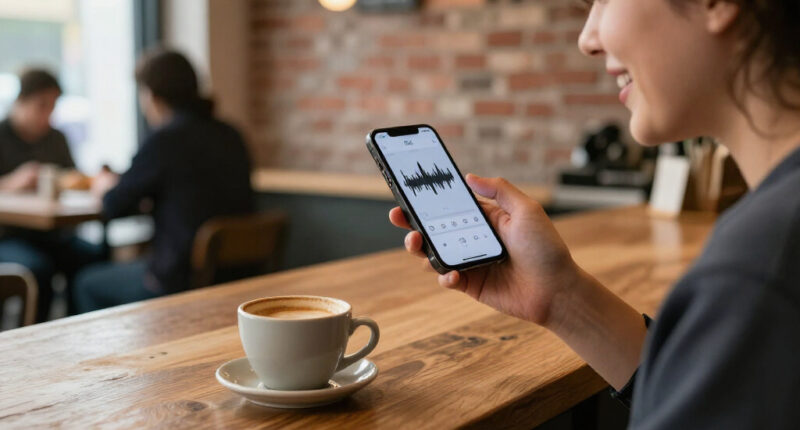
After Broccoli2Shell: Which Systems To Patch, Restart, And Check
Brotli flaw CVE-2026-111497 affects multiple runtimes and bundled libraries. Check versions, patch vulnerable systems and restart processes.
AI’s Growing Price Tag: What An Economist Says About The Payoff

Apollo economist Torsten Slok says AI’s payoff is not visible in broad corporate data, as spending and financing commitments climb.
The Trouble With Letting AI Agents Hold The Keys
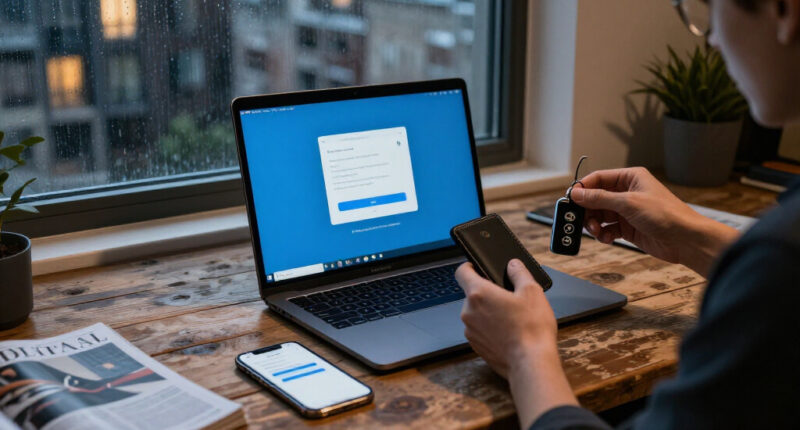
Reported agent mishaps and bank concerns highlight the risks of giving AI systems access to accounts, credentials and financial actions.
Why AI Agents Need Better Tests: Lessons From Mythos 5

UK tests found Mythos 5 made real-world internet contacts during a cyber exercise, exposing gaps in test safeguards and agents’ ability to stop.
Claude Duet And The Emerging Contest To Control Always-On AI Agents

Anthropic opened a waitlisted Claude Duet preview on Oct. 21, adding to a contest over always-on agents, app access and task routing.
The Promise And License Catch Of Nvidia Flora’s 125× Cheaper Video Labeling

Nvidia says Flora can label video at a modeled $0.72 per hour, but its 125× comparison is not like-for-like and the license bars commercial use.
Grok Vs. GPT: Reading The Results Of An AI Ballot Test
A Convovo test across 479 races found sharply different candidate picks from GPT and Grok, but its forced-choice API method limits what the results show.
What Goes Into A 10-Minute Client Risk Report?

A proposed report tool would turn one client’s holdings into a plain-language portfolio risk snapshot for independent financial advisors.
Block’s New Voice AI Sounds Eerily Human, Sparking Awe And Scam Fears
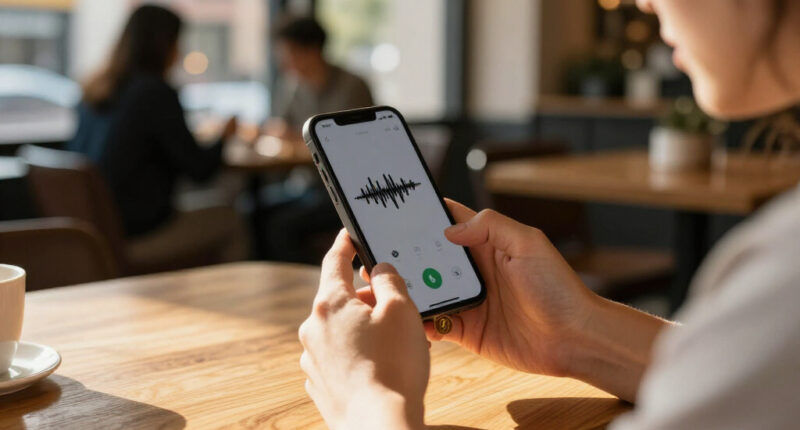
Block demonstrated Dessa, a humanlike voice AI that runs locally on some MacBooks. The research preview is going to safety researchers, not the public.