
Crypto can look like several different worlds at once: a new form of money, a speculative market, a software ecosystem, and an experiment in digital ownership. Bitcoin introduced the idea of transferring scarce digital value without a central operator, while later networks expanded the model to include programmable transactions, tokens, decentralized applications, and other financial tools.
This hub is an orientation guide for navigating that landscape. It explains the essential concepts, the decisions new users face, the security practices that matter, and the equipment that may support serious trading, research, or long-term recordkeeping. It does not assume that every reader wants to trade—or that buying crypto is appropriate for everyone.
Start With the Core Ideas
Bitcoin, blockchains, and crypto assets
Bitcoin is a digital asset and payment network governed by software rules and maintained by a distributed group of participants. Transactions are recorded on a public ledger known as a blockchain. Instead of relying on a bank to maintain the authoritative account history, the network reaches agreement through its consensus process.
“Cryptocurrency” and “crypto” are broader terms. They include Bitcoin, alternative network coins, stablecoins, and tokens issued through smart-contract platforms. These assets can behave very differently. A token may represent access to a service, participation in a protocol, a claim designed to track another asset, or little more than market speculation. Sharing the label “crypto” does not give two assets the same purpose, risks, or legal treatment.
Coins, tokens, and stablecoins
- A coin is generally native to its own blockchain and is used to pay transaction fees or support network operations.
- A token is typically created on an existing programmable blockchain through a smart contract.
- A stablecoin attempts to maintain a value linked to a reference asset, commonly a national currency.
- A governance token may give holders a role in protocol decisions, although the practical influence and legal implications vary.
Stablecoins can reduce some forms of price volatility, but “stable” does not mean risk-free. Their value may depend on reserves, issuers, collateral, market incentives, smart contracts, or redemption mechanisms. Users should understand what supports a stablecoin and whether they can actually redeem it before treating it like cash.

TANGEM Crypto Wallet Pack of 2 – Trusted Cold Storage Hardware Wallet
- Trusted Security: Military-grade EAL6+ security with no hacks
- Easy Blockchain Access: Manage 90 blockchains with one tap
- Wide Cryptocurrency Support: Access 14,100+ coins, tokens, NFTs, DeFi
As an affiliate, we earn on qualifying purchases.
As an affiliate, we earn on qualifying purchases.
Choose Your Purpose Before Choosing an Asset
A useful first question is not “Which coin should I buy?” but “What am I trying to accomplish?” Someone exploring Bitcoin as a long-term asset has different needs from a developer using a smart-contract network, a traveler making a payment, or a trader seeking short-term price movements.
Define your intended holding period, acceptable loss, custody preference, and required liquidity. Crypto markets can move quickly, and some assets have thin trading activity or concentrated ownership. If losing the full amount would damage your finances, the position is too large. Emergency savings, necessary living expenses, and money reserved for near-term obligations generally should not depend on a volatile market.
Research the asset, not just its chart
Price history is only one part of due diligence. Examine what the network does, how new units are issued, who controls development, how ownership is distributed, and whether users have a genuine reason to hold or spend the asset. Look for understandable documentation, verifiable code or network activity, transparent governance, and realistic explanations of risk.
Be cautious when promotion relies on guaranteed returns, artificial urgency, celebrity association, vague partnerships, or claims that a token “cannot go down.” A polished website is not evidence that a project is legitimate. Neither popularity nor a large social-media following substitutes for understanding the asset.
As an affiliate, we earn on qualifying purchases.
Understand Exchanges, Brokers, and Wallets
Using a trading platform
Centralized exchanges and brokers provide accounts through which users can buy, sell, or convert crypto. Before choosing one, investigate its availability in your jurisdiction, fee structure, withdrawal rules, identity requirements, security controls, and supported networks. A platform displaying an asset in your account does not necessarily mean you control the private keys associated with it.
Protect exchange accounts with a unique password and strong multifactor authentication. Save recovery information securely, review active sessions, and treat unexpected support messages as suspicious. When withdrawing, confirm both the destination address and the blockchain network. Sending an asset through an incompatible network can result in permanent loss.
What a wallet actually stores
A crypto wallet manages the keys used to authorize blockchain transactions. The coins themselves remain represented on the network’s ledger. A custodial wallet leaves key management with a service provider. A self-custody wallet gives the user direct control—and direct responsibility for backups, transaction approval, and recovery.
Hot wallets are connected to internet-enabled devices and are convenient for regular use. Hardware wallets keep signing keys in a dedicated device and can reduce exposure to some online threats. Neither category eliminates mistakes. A compromised computer can still substitute an address, a malicious application can request an unsafe approval, and a convincing scam can persuade a user to authorize a harmful transaction.
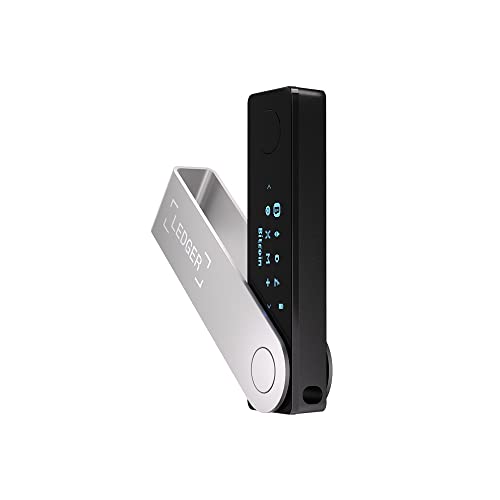
Ledger Nano X Crypto Wallet Signer – Securely Manage All Your Crypto Assets with This Bluetooth Enabled Classic – Onyx Black
- All-in-One Crypto Management: Buy, sell, swap, stake, and track 15,000+ coins
- Market Monitoring: Real-time alerts and performance tracking
- Bluetooth & iOS Compatible: Wireless connectivity for mobile convenience
As an affiliate, we earn on qualifying purchases.
As an affiliate, we earn on qualifying purchases.
Build a Sensible Self-Custody System
Self-custody should be treated as a process rather than a product purchase. Begin with a modest amount, learn how receiving and sending work, and perform a small test transaction before moving significant funds. Confirm addresses using the wallet’s trusted display where possible, and check the network fee and destination carefully.
A recovery phrase can recreate access to a wallet. Anyone who obtains it may be able to control the associated assets, while losing every usable copy may make recovery impossible. Do not type a recovery phrase into a website because an email, direct message, or supposed support representative asks for it. Decide how backups will survive theft, fire, water damage, household moves, and the failure of a single device.
Physical storage is part of that planning. Readers comparing protected locations for hardware devices or durable backups can explore this guide to fireproof safes for crypto hardware wallets. A safe is only one layer: its location, access rules, backup design, and the visibility of its contents also matter.
Avoid creating one point of failure
- Keep wallet software, devices, and written recovery procedures current and understandable.
- Separate everyday spending funds from long-term holdings.
- Do not keep a recovery phrase beside the hardware wallet it restores.
- Document enough for a trusted person or executor to follow an inheritance plan.
- Test the recovery procedure safely before relying on it.
- Revisit the plan after moving, changing devices, or altering family arrangements.
TANGEM Crypto Wallet Pack of 2 – Trusted Cold Storage Hardware Wallet
- Trusted Security: Military-grade EAL6+ security with no hacks
- Easy Blockchain Access: Manage 90 blockchains with one tap
- Wide Cryptocurrency Support: Access 14,100+ coins, tokens, NFTs, DeFi
As an affiliate, we earn on qualifying purchases.
As an affiliate, we earn on qualifying purchases.
Recognize the Main Crypto Threats
Many crypto losses begin with social engineering rather than a broken blockchain. Common approaches include fake investment platforms, impersonated exchange staff, fraudulent wallet applications, phishing pages, malicious token approvals, romance scams, and fabricated recovery services. Transactions may be difficult or impossible to reverse, which makes prevention especially important.
Navigate to financial services through saved bookmarks or addresses you verify independently. Do not trust a link merely because it appears in a search result or sponsored advertisement. Check software publishers, download sources, domain spelling, and requested permissions. Never install remote-access software at the direction of an unsolicited caller.
A dedicated computer can help users separate sensitive activity from casual browsing, but it still requires careful administration. People choosing portable systems for security work can review business laptops suited to cybersecurity workflows. Users with heavier analysis, development, virtualization, or data-processing needs may instead consider the guide to workstation desktop computers.
Prepare a Reliable Trading and Research Workspace
Active trading is not a requirement for participating in crypto. For those who do trade, the important foundations are risk controls, accurate records, secure accounts, and a stable working environment—not a wall of charts. Leverage can magnify losses, liquidation can occur rapidly, and frequent decisions can invite emotional errors.
A practical setup should support the software actually used without becoming unnecessarily complex. A compact computer may suit a desk with several displays or a dedicated browser-and-charting station; the comparison of mini PCs for trading setups is a starting point for that hardware decision. Long sessions also make basic ergonomics relevant, including seating, display position, breaks, and an input device that fits the user. Those experiencing repetitive-strain concerns can consult the guide to ergonomic keyboards for RSI.
Create rules before placing trades
- Decide the maximum amount at risk on one position and across the entire portfolio.
- Know whether the strategy depends on minutes, days, or years.
- Account for fees, taxes, spreads, slippage, and funding costs.
- Write down the reason for entering and the conditions for exiting.
- Avoid increasing risk merely to recover a previous loss.
- Keep account security separate from trading convenience.
Keep Records and Protect Important Data
Crypto activity can generate transaction hashes, wallet addresses, exchange statements, cost-basis records, screenshots, invoices, and tax documents. Preserve original exports rather than relying exclusively on an exchange to retain years of account history. Organize files consistently and record transfers between your own wallets so they are not later mistaken for disposals or unexplained income.
A backup is not useful unless it can be restored. Maintain more than one copy of important records, separate those copies physically where appropriate, and encrypt sensitive data. Network-attached storage may support households or businesses that need centralized, redundant storage; readers can compare NAS storage RAID options. For storage attached directly to a single computer, see the guide to direct-attached storage RAID enclosures.
RAID can improve availability when a drive fails, but it is not a complete backup by itself. Accidental deletion, malware, theft, fire, controller failure, and corrupted synchronization can affect multiple drives at once. Maintain an independent copy and periodically verify that important files can be recovered.
Consider Business, Community, and Event Use
Crypto also intersects with conferences, merchant payments, education, creative communities, and local meetups. An organization accepting digital assets should decide which currencies and networks it supports, who controls wallet access, how refunds work, and how transactions enter its accounting system. Staff need a clear process for recognizing completed payments without exposing private keys or recovery material.
Event organizers may also need conventional equipment alongside wallet demonstrations, signage, ticketing, and security procedures. For teams adding branded attendee experiences, the site’s comparison of photo booths for events under $3,000 can help frame that separate purchasing decision. Keep promotional activities distinct from financial promises, and make clear when educational content is not personalized investment advice.
Account for Taxes, Regulation, and Estate Planning
Crypto rules differ by country and can change. Buying, selling, exchanging, earning, staking, mining, gifting, or spending digital assets may create reporting obligations. Do not assume that a crypto-to-crypto trade is ignored simply because no national currency entered the transaction. Keep dated records and consult a qualified local tax or legal professional when the amounts or circumstances are significant.
Estate planning deserves equal attention. Heirs may know that assets exist without knowing how to locate or access them; alternatively, instructions that reveal too much can undermine security during the owner’s lifetime. A sound plan coordinates legal authority, technical recovery, and secure disclosure. Test the process conceptually with the intended executor instead of leaving unexplained devices and cryptic notes.
A Practical Path Into Crypto
Begin by learning how Bitcoin transactions, wallets, fees, and confirmations work. Choose a reputable access method available in your jurisdiction, secure the account, and use a small amount while learning. If moving to self-custody, test both sending and recovery before increasing the balance. Keep records from the first transaction rather than reconstructing them later.
Most importantly, match the complexity of your setup to the value and purpose involved. A newcomer does not need every wallet type, token, exchange, and storage device. Build one understandable layer at a time. Crypto rewards technical curiosity, but durable participation depends less on chasing novelty than on protecting keys, questioning promises, managing risk, and maintaining records that remain useful years later.