
TL;DR
Play games included with Prime
Start a Prime free trial and play with Amazon Luna on your devices.
As an affiliate, we earn on qualifying purchases.
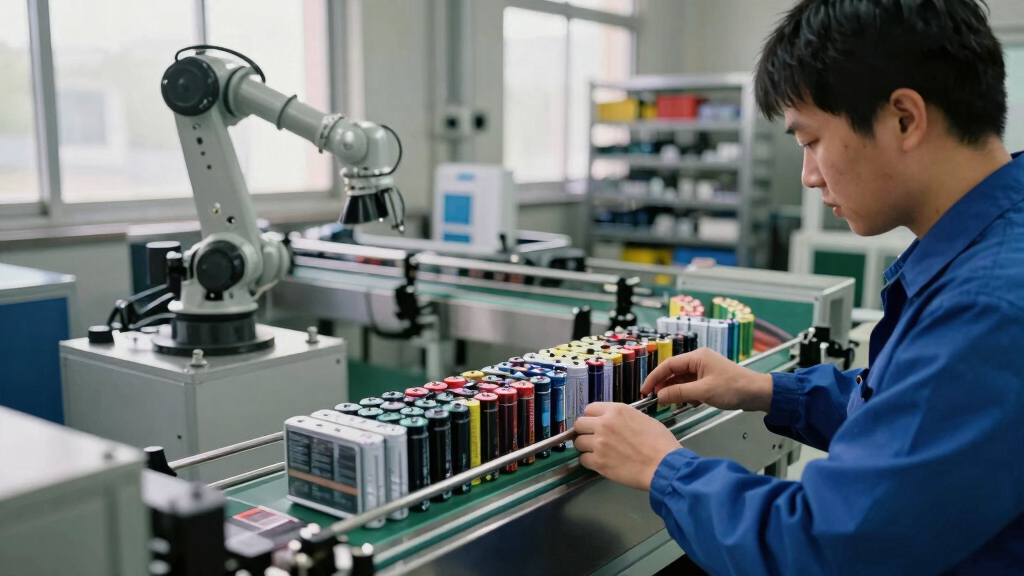
US battery manufacturing output has reached new record levels, according to the Federal Reserve’s latest industrial production data. This surge reflects growing demand for electric vehicles and energy storage solutions. The development signals a significant shift in the industrial sector, though details on future capacity remain uncertain.
US battery manufacturing output has reached record highs, according to the Federal Reserve’s latest industrial production data, underscoring a booming sector driven by increased demand for electric vehicles and energy storage solutions.
The Federal Reserve’s monthly index indicates that the industrial production of batteries, classified under NAICS code 33591, has surpassed previous records. This growth is attributed to the expanding electric vehicle market and investments in energy infrastructure, which have significantly boosted battery manufacturing activity across the United States.
Data shows that the capacity utilization rate for battery production facilities has also increased, suggesting that manufacturers are operating at or near full capacity. Industry analysts note that this trend is likely to continue as automakers accelerate EV production and renewable energy projects expand.
Officials from the Federal Reserve emphasize that this surge in battery manufacturing is part of broader structural developments in the industrial sector, reflecting shifts toward cleaner energy and technological innovation.
Implications for the US Clean Energy Transition
The record levels of battery manufacturing output highlight the United States’ growing capacity to support its clean energy and transportation goals. Increased domestic production reduces reliance on imports, enhances supply chain resilience, and positions the US as a competitive player in the global EV and energy storage markets. This development could accelerate the adoption of electric vehicles and renewable energy projects, contributing to climate change mitigation efforts.
As an affiliate, we earn on qualifying purchases.
Recent Trends in US Battery Production and Industry Growth
Battery manufacturing in the US has seen a steady rise over the past few years, driven by policy incentives, technological advancements, and increasing consumer demand for electric vehicles. The Federal Reserve’s industrial production index for batteries has shown consistent growth, reaching new peaks in recent months. Industry reports indicate that major automakers and energy companies are investing heavily in domestic battery plants, aiming to meet rising demand and reduce supply chain vulnerabilities.
Prior to this record surge, production levels were already on an upward trajectory, with the industry responding to federal initiatives like the Inflation Reduction Act, which provides incentives for domestic manufacturing and clean energy investments.
“The recent spike in battery manufacturing output reflects a fundamental shift in the US industrial landscape, driven by the EV boom and energy storage needs.”
— an anonymous researcher
As an affiliate, we earn on qualifying purchases.
Future Capacity and Demand Uncertainties
It is not yet clear whether the current record levels of battery manufacturing can be sustained in the long term. Factors such as supply chain constraints, raw material availability, and potential shifts in market demand could influence future capacity and growth trajectories. Additionally, detailed projections from industry sources remain limited.
As an affiliate, we earn on qualifying purchases.
Monitoring Industry Expansion and Policy Impact
Industry analysts and policymakers will closely watch upcoming quarterly reports to assess whether the surge in battery manufacturing persists. Investments in new production facilities, technological innovations, and policy support are expected to shape the sector’s growth. Further data releases from the Federal Reserve and industry groups will clarify whether this trend continues or stabilizes.
industrial battery manufacturing equipment
As an affiliate, we earn on qualifying purchases.
As an affiliate, we earn on qualifying purchases.
Key Questions
What is causing the surge in US battery manufacturing?
The increase is primarily driven by rising demand for electric vehicles and energy storage solutions, supported by government policies and industry investments.
Will this growth continue in the coming years?
It is uncertain. Growth depends on raw material supply, global market conditions, and technological developments. Industry experts expect continued expansion, but risks remain.
How does this impact the US economy?
The record output boosts manufacturing employment, enhances supply chain resilience, and positions the US as a leader in clean energy technology, with potential positive economic effects.
While battery manufacturing supports clean energy goals, it also raises questions about raw material extraction and waste management, which are ongoing industry and policy discussions.
Source: Hacker News
NFL season / tailgating Picks
team gear
As an affiliate, we earn on qualifying purchases.