
Separating your backup smartphone from your daily device is the smartest move to improve your 2FA security and guarantee quick recovery if your primary device is lost or stolen. This way, your backup stays free from daily risks, malware, or sync issues, making it more reliable when you need it most. Keeping these devices separate also minimizes the chances of both being compromised at once. Stay with us to discover how this simple step can safeguard your accounts even further.
Get ready for Prime Big Deal Days — try Prime free
Exclusive member deals on October 6–7, plus fast free delivery. Cancel anytime.
As an affiliate, we earn on qualifying purchases.
Key Takeaways
- Separating backup smartphones from daily devices reduces the risk of simultaneous compromise or synchronization vulnerabilities.
- Dedicated backup devices store static 2FA codes securely, preventing exposure during device theft or damage.
- Isolating recovery devices minimizes security threats from everyday app vulnerabilities or malware.
- Managing backup devices separately simplifies updates and recovery processes without risking synchronization errors.
- Using a dedicated backup smartphone enhances overall security, providing peace of mind during emergencies.
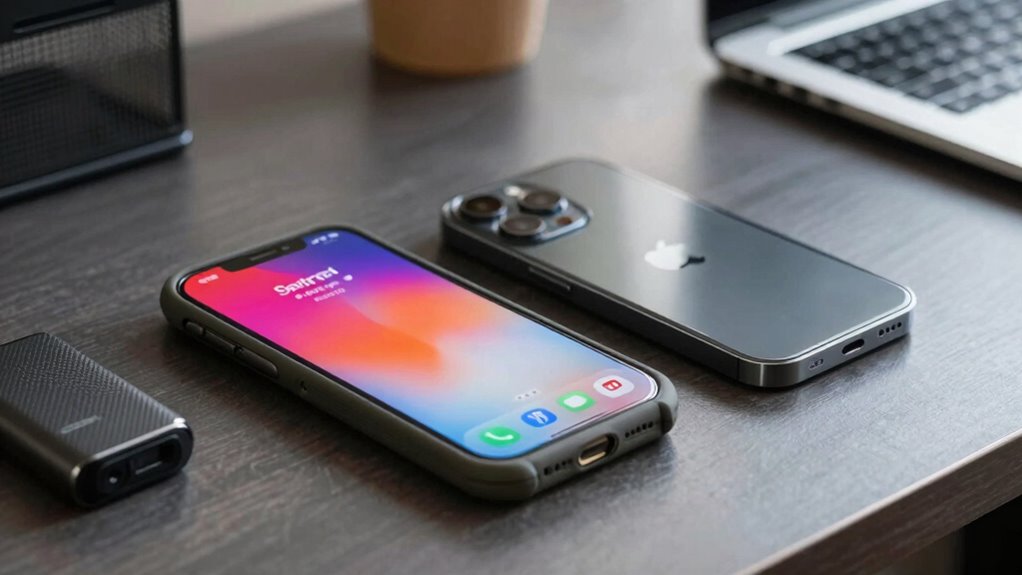
Have you ever been locked out of your accounts because your primary 2FA device was lost or unavailable? It’s a frustrating experience that highlights the importance of having backup options. Relying solely on one device for two-factor authentication can expose you to security risks if that device is stolen, damaged, or inaccessible at critical moments. To avoid such situations, many experts recommend using a backup smartphone, but the smartest move is to keep your recovery options separate from your daily-use device. This way, you minimize the risk of losing access due to device synchronization issues or security breaches.
Keep your recovery options separate from your daily device to stay secure and avoid lockouts.
When you keep your backup smartphone distinct from your main device, you reduce the chance that both will be compromised simultaneously. If your primary device encounters problems—like theft or hardware failure—you still have an alternative ready to go. This separation adds a layer of security, ensuring that losing one device doesn’t mean losing access to all your accounts. It also helps to prevent security risks associated with device synchronization, which can sometimes create vulnerabilities if your primary and backup devices are linked too closely. Synchronization errors or hacking attempts could exploit these links, so isolating your backup device makes it less vulnerable.
Having a dedicated backup smartphone means you can configure it specifically for recovery purposes, without cluttering it with your daily apps or sensitive information. This approach enhances security because the backup device isn’t a mirror of your primary one but a purpose-built tool designed solely for account recovery. It can store static 2FA codes, authenticator app backups, or hardware tokens, all securely separated from everyday activities. This setup ensures that even if your primary device is compromised, your backup remains a safe fallback. It also simplifies the process of updating or rotating 2FA credentials, as you’re not risking accidental exposure through frequent device synchronization. Additionally, securely managing recovery options is crucial for maintaining your overall account security, especially when considering the potential vulnerabilities caused by device synchronization.
Furthermore, separating backup devices can help prevent issues related to device synchronization errors, which can sometimes interfere with account access or lead to data corruption. Implementing a clear backup device protocol can also streamline your recovery process in emergencies. In the end, separating your recovery device from your daily-use smartphone isn’t just about convenience; it’s a strategic move to strengthen your security posture. By avoiding potential security risks linked to device synchronization and keeping your backup device isolated, you’re making it considerably harder for malicious actors to gain access through compromised or lost devices. This practice offers peace of mind, knowing that no matter what happens to your primary device, you have a reliable, secure backup ready to restore access quickly and safely.
dedicated backup smartphone for 2FA
As an affiliate, we earn on qualifying purchases.
As an affiliate, we earn on qualifying purchases.
Frequently Asked Questions
How Often Should I Update My Backup Smartphone?
You should update your backup device’s data regularly, ideally every month or whenever you make significant changes. Frequent updates guarantee your backup smartphone has the latest 2FA codes and account information, reducing the risk of losing access. Keeping your backup device current is vital for security and quick recovery if your primary device fails. Set reminders to review and update your backup smartphone to maintain its effectiveness and reliability.
What Security Measures Protect My Backup Device?
Did you know that 81% of hacking breaches start with weak or stolen credentials? To protect your backup device, enable biometric security like fingerprint or facial recognition, making unauthorized access harder. Also, use strong encryption protocols to secure data stored on the device. Regularly update your device’s software, and avoid connecting to unsecured networks, ensuring your backup remains safe and accessible only to you.
Can I Use a Refurbished Phone for 2FA Backups?
Yes, you can use a refurbished phone for 2FA backups, but prioritize refurbished security and backup device durability. Make sure the device has been thoroughly tested and updated with the latest security patches. Check for any vulnerabilities in the refurbished device, and consider using a reputable seller. A well-maintained, durable refurbished phone can serve as a reliable backup, but always stay vigilant about potential security risks.
How Do I Transfer 2FA Accounts to a New Backup Phone?
To transfer 2FA accounts to your new backup phone, start with account migration by logging into each service and updating your 2FA settings with the new device. Use device synchronization tools or apps like Google Authenticator or Authy to transfer your accounts securely. Make sure you verify each account on the new phone before removing access from the old device, keeping your 2FA setup seamless and protected.
Is It Safe to Store Backup Phones Offline?
Yes, storing backup phones offline is safe because it minimizes risks from online storage or cloud backups that could be hacked or compromised. By keeping your backup device disconnected from the internet, you protect your 2FA recovery options from cyber threats. This way, even if your primary account faces issues, your offline backup remains secure, ensuring you can recover access without exposing sensitive data online.
As an affiliate, we earn on qualifying purchases.
Conclusion
By keeping a backup smartphone separate from your daily device, you create a fortress of security amidst a sea of digital chaos. Imagine a quiet harbor, ready to anchor you if your main ship hits stormy waters. This simple act transforms your 2FA from a fragile thread into a sturdy lifeline, ensuring your access remains unwavering. In this silent safeguard, you find peace, knowing that even in the wildest storm, your digital world stays anchored and secure.
As an affiliate, we earn on qualifying purchases.
As an affiliate, we earn on qualifying purchases.
Fall Picks
fall essentials
As an affiliate, we earn on qualifying purchases.