
📊 Full opportunity report: The Memory Squeeze: Why Your RAM Bill Doubled on ThorstenMeyerAI.com — validation score, market gap, and execution plan.

Get hardware and tech essentials delivered free — and shop member deals
- Fast, free delivery on millions of items
- Access to Prime Big Deal Days deals on October 6–7
- Prime Video, Amazon Music and more included
TL;DR
In 2026, RAM prices have doubled, with consumer memory costs rising sharply. The shift toward AI chip production has reallocated capacity, causing a persistent shortage. Major brands are raising prices, and supply remains constrained.
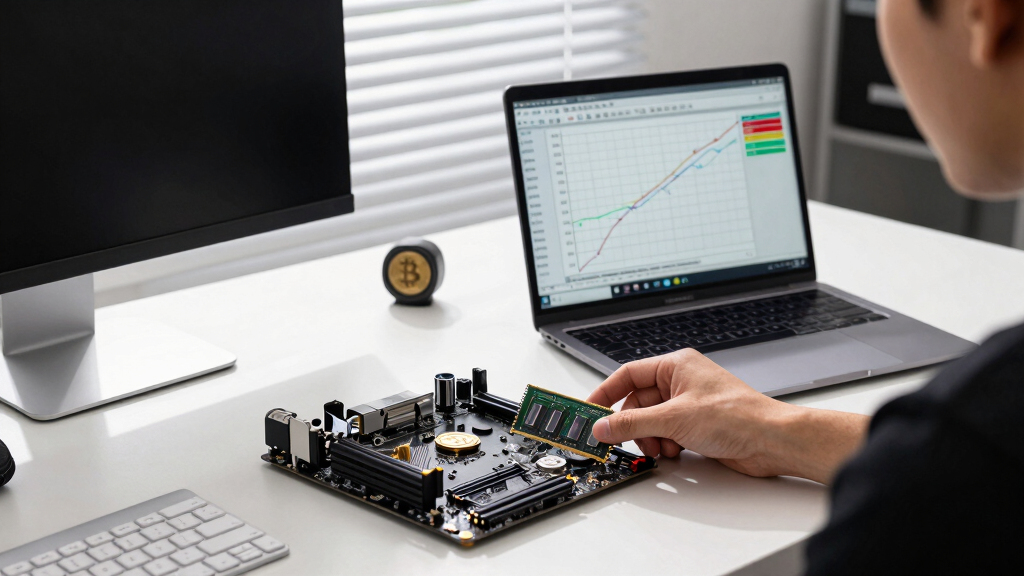
DRAM prices have roughly doubled in 2026, with the cost of 32GB DDR5 kits soaring from about $80-$120 in 2025 to over $370 in June 2026. This sharp increase makes memory the most expensive component in many PC builds, impacting consumers and manufacturers alike. The primary driver is a strategic industry shift toward AI hardware, not a typical supply shortage.
Since early 2026, the price of consumer DRAM has surged by approximately 90% in a single quarter, with 64GB kits now routinely costing $600 or more, up from roughly $150–$200 last year. Major PC manufacturers like HP and Dell have responded by raising prices, with HP indicating memory now accounts for about 35% of build costs, compared to 15–18% previously. This trend is driven by a fundamental industry shift: the factories that produce DRAM are increasingly reallocating capacity toward High Bandwidth Memory (HBM), which is used in AI accelerators, rather than standard consumer RAM.
Three companies — Samsung, SK Hynix, and Micron — dominate DRAM production and now prioritize higher-margin HBM over traditional DDR5. HBM modules sell for roughly $60–$100 each, compared to $5–$10 for DDR5, incentivizing manufacturers to shift wafer output toward HBM despite its inefficiency. This reallocation has resulted in HBM consuming about 23% of wafer output, up from 19%, and AI applications are projected to absorb around 20% of DRAM capacity in 2026.
The result is a persistent shortage that cannot be resolved through traditional capacity expansion, as new fabs won’t be operational at scale until 2027–2028. Industry management of supply—favoring high-margin products and maintaining scarcity—further limits the availability of consumer memory, leading to sustained high prices and supply constraints.
Why your RAM bill doubled
“Doubled” is the polite version — consumer DRAM is running 3–6× its 2024 lows. The boom-bust cycle that always brought cheap RAM back isn’t coming this time, because the factories that make your RAM now make something far more profitable instead.
HBM
This is the quiet tax on the whole AI era. Relief isn’t forecast before 2028, and even then prices may settle 30–50% above pre-crisis levels. Buy what you genuinely need now; don’t panic-buy capacity you won’t use. You can’t out-wait the fab math — but, as this series will show, you can shrink what you need. Next: HBM Ate the Fab.
Why Memory Shortages in 2026 Reshape the Market
This surge in memory prices affects a broad spectrum of technology sectors, from consumer PCs to enterprise servers. The shift toward AI hardware is not only causing shortages but also altering the competitive landscape, with manufacturers prioritizing high-margin products over consumer needs. Consumers face higher costs for upgrades and new builds, while companies like Apple and Dell are already raising prices. The scarcity also raises risks of counterfeit modules and supply inequities, with major buyers securing long-term contracts that limit market flexibility.
As an affiliate, we earn on qualifying purchases.
Industry Shift Toward AI Hardware and Its Impact on Memory Supply
Historically, memory shortages eased when new capacity was added, flooding the market and reducing prices. However, in 2026, the industry is deliberately reallocating capacity to produce HBM for AI applications, which is more profitable but less efficient in wafer use. This shift is driven by the growing demand for AI hardware, with the three main DRAM producers—Samsung, SK Hynix, and Micron—focusing on high-margin products. The result is a structural change, not a temporary supply hiccup, leading to persistent shortages and elevated prices.
Past shortages, such as those in 2021–2022, were resolved through capacity expansion, but current industry practices involve managing scarcity to maintain high margins. This approach is reinforced by long-term contracts with hyperscalers and enterprise clients, which further limit supply to the consumer market.
“Memory now accounts for about 35% of our build costs, up from 15–18% earlier this year.”
— HP investor presentation
As an affiliate, we earn on qualifying purchases.
Unresolved Questions About the Memory Market’s Future
It remains unclear whether the industry will eventually increase capacity enough to balance supply and demand or if persistent high margins will continue to incentivize capacity restraint. The extent of potential antitrust scrutiny or regulatory intervention also remains uncertain, as market concentration and past collusion cases could influence future oversight. Additionally, the impact of long-term contracts on market liquidity and price stability is still developing.
As an affiliate, we earn on qualifying purchases.
Next Steps in the Memory Market and Industry Response
Manufacturers are expected to continue prioritizing high-margin AI-related products, with new fabs expected to come online by 2027–2028. Consumers and PC builders should anticipate ongoing price pressures and potential shortages through 2026 and possibly beyond. Industry analysts will monitor capacity expansion, contract negotiations, and regulatory developments that could influence future supply and pricing dynamics. Additionally, counterfeit modules and supply chain bottlenecks may persist as the market adapts.
As an affiliate, we earn on qualifying purchases.
Key Questions
Will memory prices return to normal soon?
It is uncertain. Industry reallocation toward AI hardware and capacity constraints suggest prices may remain high until new fabs are operational around 2027–2028.
How does AI development affect consumer hardware costs?
The shift toward high-margin AI memory products has led to higher costs for consumer RAM, with manufacturers prioritizing profitable markets over supply for consumers.
Are there alternatives to DDR5 that are cheaper?
DDR4 remains available but is nearing end-of-life, and its prices are now comparable to DDR5, limiting its use as a cost-saving alternative.
Could regulatory action change the market dynamics?
Possibly. Past antitrust cases suggest regulatory scrutiny could increase, but no current investigations have been publicly announced as of now.
What should consumers and builders do now?
Expect continued high prices and potential shortages. Planning ahead and considering alternative configurations may help mitigate impacts.
Source: ThorstenMeyerAI.com
Halloween Picks
halloween
As an affiliate, we earn on qualifying purchases.