

Crypto is actively addressing energy and climate concerns by shifting to renewable energy sources like solar and wind, reducing its carbon footprint. Industry leaders are increasing transparency through detailed impact reports and adopting greener technologies such as proof-of-stake. They also invest in carbon offsets to compensate for unavoidable emissions, making the sector more sustainable. To discover how these initiatives are shaping crypto’s future and what more can be done, keep exploring these innovative efforts.
Key Takeaways
- Crypto industry is shifting towards renewable energy sources like solar, wind, and hydro to reduce carbon emissions.
- Adoption of energy-efficient consensus mechanisms, such as proof-of-stake, lowers environmental impact.
- Companies are investing in carbon offset projects like reforestation and renewable energy initiatives.
- Greater transparency and reporting on energy use promote responsible practices and sustainability commitments.
- Future efforts focus on integrating innovative, sustainable technologies to minimize crypto’s environmental footprint.
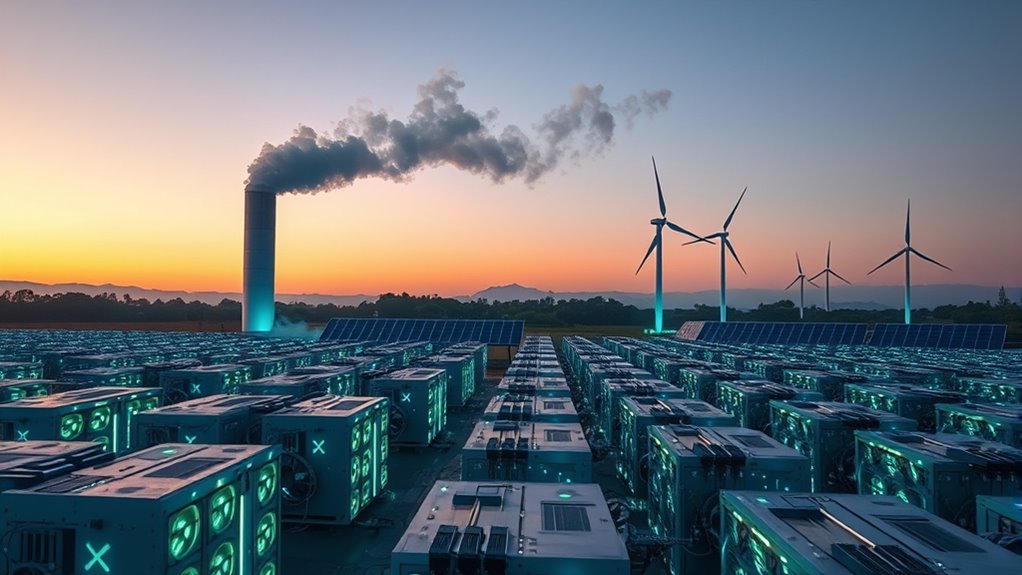
Cryptocurrency has revolutionized the financial landscape, but its environmental impact has become a growing concern. As the industry expands, so does the awareness of its significant energy consumption, especially for proof-of-work systems like Bitcoin. You might wonder how this digital revolution can align with the urgent need to protect our planet. The good news is that many crypto projects are actively working toward sustainability by integrating renewable energy sources and leveraging carbon offsets. These efforts aim to drastically reduce the carbon footprint associated with mining activities and promote a greener future for the industry.
Using renewable energy is a key strategy. You’ll find that some mining operations are shifting away from fossil fuels and investing in solar, wind, or hydroelectric power. This *shift* not only cuts down emissions but also helps decentralize energy use, making the process more sustainable. When miners harness renewable sources, they lessen their reliance on carbon-heavy energy grids, which *considerably* lowers greenhouse gas emissions associated with crypto mining. This *change* is becoming more feasible as renewable energy costs decrease and infrastructure improves, encouraging miners to adopt cleaner energy solutions. Additionally, advancements in renewable energy technology make it increasingly accessible and cost-effective for large-scale crypto mining operations.
Alongside renewable energy, carbon offsets play a *crucial* role in addressing the environmental impact of crypto activities. You can think of carbon offsets as a way to compensate for emissions that are hard to eliminate immediately. Many crypto firms are investing in projects like reforestation, renewable energy development, or methane capture to balance out their carbon footprint. These initiatives allow you to support a more sustainable industry, giving you confidence that your involvement in cryptocurrencies doesn’t come at the expense of the planet. By purchasing carbon offsets, you contribute to global efforts to reduce overall emissions, effectively making your crypto activities more environmentally friendly.
The industry’s push towards sustainability also involves transparency and accountability. You’ll see more projects publishing detailed reports on their energy use and environmental impact, making it easier for you to make informed decisions. This transparency encourages companies to improve their practices and adopt greener technologies. *Furthermore*, advancements in consensus mechanisms, like proof-of-stake, are designed to be much more energy-efficient, further reducing the environmental toll of crypto operations. Promoting energy-efficient protocols helps ensure that the growth of cryptocurrency aligns with global sustainability goals.

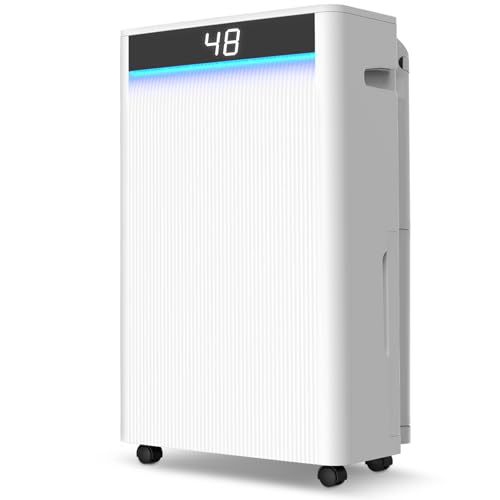
5000 Sq.Ft Dehumidifier for Basement with Drain Hose, 80 Pint Dehumidifiers for Home with Large 6.5L Water Tank,24H Timer,Child Lock,Defrost,Silent,4 Modes Operation Auto Shut-off
5000 Sq.Ft Large Home Dehumidifier: Our basement dehumidifiers are capable of removing up to 80 pints of moisture...
As an affiliate, we earn on qualifying purchases.
Frequently Asked Questions
How Does Crypto Mining Impact Global Energy Consumption?
Crypto mining considerably impacts global energy consumption, often using vast amounts of electricity that strain grids. As you manage digital wallets and participate in transactions, you might face regulatory challenges that push for greener practices. Miners are increasingly adopting renewable energy sources to reduce their carbon footprint, but the overall energy use remains high. Staying informed about policies can help you support more sustainable crypto practices.
What Are the Main Environmental Concerns Related to Cryptocurrencies?
Have you ever wondered if cryptocurrencies threaten our planet? The main environmental concerns include high energy consumption and carbon footprints, especially from mining operations. As governments consider cryptocurrency regulation, they focus on aligning with environmental policy to reduce harm. You should stay informed about how these policies evolve because they will shape the future of sustainable crypto practices and help protect our environment from unnecessary damage.
Which Cryptocurrencies Use the Least Energy to Operate?
You should look into cryptocurrencies that use eco-friendly protocols and energy-efficient algorithms. Coins like Stellar, Ripple, and Cardano operate with markedly lower energy consumption compared to traditional proof-of-work systems. They prioritize sustainability by adopting proof-of-stake or similar consensus mechanisms, reducing environmental impact. By choosing these eco-friendly options, you support greener crypto practices and help mitigate energy concerns associated with blockchain technology.
How Are Blockchain Projects Reducing Their Carbon Footprint?
You can see blockchain projects reducing their carbon footprints through green protocols that optimize energy use. They also implement token burning, which decreases the total supply and lessens environmental impact. By adopting these strategies, you help promote sustainability, making the crypto ecosystem more eco-friendly. These efforts show your commitment to reducing energy consumption and supporting greener blockchain solutions that prioritize climate health.
Can Crypto Effectively Incentivize Renewable Energy Development?
Yes, crypto can effectively incentivize renewable energy development. By promoting energy innovation, you can leverage blockchain platforms to create transparent, verifiable green investments. These systems encourage projects that generate or use renewable energy, rewarding participants with tokens or incentives. This approach aligns financial gains with sustainability goals, motivating more investments in clean energy sources and accelerating the shift toward a greener, more sustainable future.

AIRPLUS 4,500 Sq.Ft 70 Pint Dehumidifier for Basements and Home-with Drain Hose,Efficient,Energy-with Dual Protection and 4 Smart Modes,24H Timer,Defrost,for Large room
AIRPLUS Multifunctional Dehumidifier For Hone:Combines dehumidification,drying,and air purification functions in one machine.With the dual protection of water full...
As an affiliate, we earn on qualifying purchases.
Conclusion
As you watch crypto’s journey unfold, you realize the future hinges on these bold sustainability efforts. Will they truly revolutionize energy use and combat climate change, or will hidden challenges emerge from the shadows? The path ahead is uncertain, filled with promise and peril alike. Keep your eyes open—you’re witnessing a pivotal moment where innovation could either save our planet or leave us chasing a mirage in the digital desert.
Dehumidifier for Basement, Bedroom, Home, Bathroom
Dehumidifier for Basement
As an affiliate, we earn on qualifying purchases.
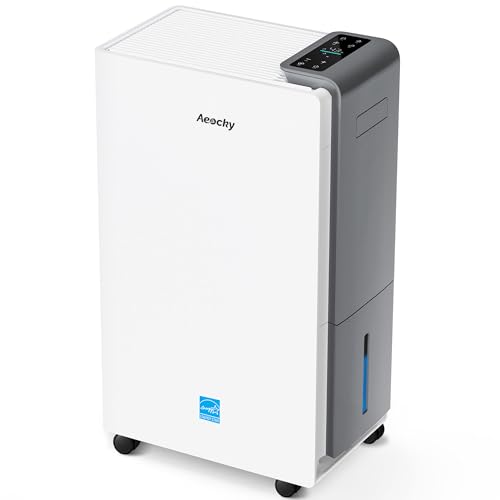
4500 Sq.Ft Energy Star Most Efficient 2025 Dehumidifier,AEOCKY Max 80 Pint/Day Smart Compressor Dehumidifier with Drain Hose, Intelligent Humidistat,for Basement,Bedroom,Home,Bathroom
【ENERGY STAR 25 ≠ ENERGY STAR Most Efficient 2025】Don't fall for competitors' word games. With only 2.6% of...
As an affiliate, we earn on qualifying purchases.