
📊 Full opportunity report: The bridge. Why the AI buildout runs on a nuclear story and a gas reality. on ThorstenMeyerAI.com — validation score, market gap, and execution plan.
TL;DR
The AI industry’s nuclear procurement is a long-term bet, while current power needs are met by behind-the-meter gas generation. The gap between future nuclear and present gas shapes the energy and emissions profile of AI buildout.
While major tech companies announce nuclear power deals to support their future AI data center needs, the immediate energy supply for these centers is predominantly coming from behind-the-meter natural gas generation. This discrepancy between long-term nuclear commitments and short-term gas usage is shaping the industry’s energy and emissions profile.
Tech giants like Meta, Microsoft, Google, and Amazon have signed nuclear agreements totaling up to 6.6 gigawatts, aiming to secure clean, firm power for their future data centers. However, these nuclear projects, including Microsoft’s restart of Three Mile Island and Google’s small modular reactor (SMR) agreements, are expected to deliver capacity only by the late 2020s or early 2030s.
Meanwhile, the actual power used by current AI data centers is largely supplied by natural gas turbines, reciprocating engines, and fuel cells installed behind the meter—on-site or off-grid—amounting to over 40 gigawatts of announced capacity. This gas infrastructure is being built rapidly to meet immediate power demands, bypassing grid interconnection delays which can extend up to 13 years in some markets.
This timeline mismatch means that while the industry promotes nuclear as a clean, long-term solution, the present relies heavily on fossil fuels. The gas builds the current energy bridge, and whether this bridge remains temporary or becomes permanent depends on the pace of nuclear deployment and SMR commercialization, which remains uncertain.
The bridge.
Why the AI buildout runs
on a nuclear story and
a gas reality.
to early 2026 · the real rush
2027-2035, grid 3-7 years
generation · near-term mostly gas
(~10M cars) · Cornell analysis
- A data center is built in under two years
- Data center electricity use +17% in 2025, doubling by 2030
- Gartner: 40% of AI data centers electricity-constrained by 2027
- Three Mile Island ~2027 · Oklo ~2030 · Kairos 2030-2035
- No commercial SMR yet operates in the US
- Grid interconnection 3-7 years (up to 13 in Europe)
early 2030s
· mostly gas
The industry leads with the nuclear it has bought for the end of the decade and builds the gas it needs for now — and sites that gas behind the meter where it moves fastest and shows least. The behind-the-meter siting is the tell that the bridge will be here longer than the word implies.Thorsten Meyer · The Bridge · AI Energy 03
Implications of the Nuclear-Gas Timeline Mismatch for AI Power
This divergence impacts both the emissions profile and infrastructure strategy of the AI industry. Relying on gas in the near term increases carbon emissions, contradicting the industry’s narrative of a clean energy future based on nuclear. The pace of nuclear deployment and SMR commercialization will determine if the industry can meet its long-term sustainability goals or if it will become a sustained fossil-fuel-powered buildout.
Furthermore, the reliance on behind-the-meter gas generation reflects strategic choices to accelerate deployment and circumvent grid constraints, raising questions about the true environmental impact of AI’s energy expansion. The gap between the nuclear promise and gas reality underscores the complexity of transitioning to a fully clean energy infrastructure for data centers.
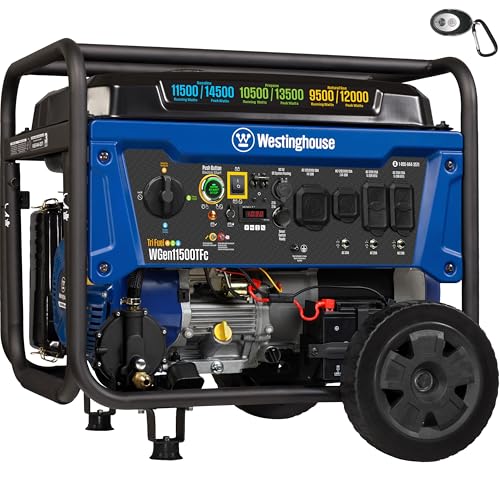
Westinghouse 14500 Peak Watt Tri-Fuel Home Backup Portable Generator, Remote Electric Start, Transfer Switch Ready, Gas, Propane, and Natural Gas Powered
- Backup power for large homes: Reliable power source during outages
- High wattage output: 14500 peak, 11500 running watts (gas)
- Multi-fuel capability: Gasoline, propane, natural gas
As an affiliate, we earn on qualifying purchases.
As an affiliate, we earn on qualifying purchases.
Timeline of Nuclear Deals Versus Actual Power Deployment
In 2024, the pipeline of conditional SMR offtake agreements was around 25 gigawatts, which has since grown to 45 gigawatts, indicating strong industry interest in nuclear solutions. However, actual nuclear projects, such as Microsoft’s restart of Three Mile Island, are expected to deliver only 835 megawatts by 2027, and commercial SMRs are projected to come online between 2030 and 2035.
Meanwhile, the current energy demands of AI data centers are being met by rapid deployment of gas turbines and fuel cells, with over 40 gigawatts of behind-the-meter capacity announced or under construction. This infrastructure is being built to address immediate power needs, often bypassing the grid due to long interconnection delays.
The construction and deployment timelines for nuclear and SMRs are significantly longer than the pace of data center expansion, creating a gap that gas infrastructure is filling now. This situation highlights the disconnect between the industry’s long-term clean energy commitments and its immediate fossil fuel use.
“The nuclear deals are real and long-term, but they are arriving on a timeline that does not match the immediate power needs of AI data centers. The gas infrastructure being built today is filling that gap.”
— Thorsten Meyer

Comprehensive Guide to Small Modular Reactors (SMRs)
As an affiliate, we earn on qualifying purchases.
As an affiliate, we earn on qualifying purchases.
Uncertain Timeline for SMR Commercialization and Nuclear Capacity
It remains unclear whether SMRs will be commercially viable and deployed on schedule. No operational SMRs currently exist in the US, and past nuclear projects like Vogtle have experienced significant delays and cost overruns. The pace of nuclear deployment will critically influence whether the gas bridge is temporary or becomes a permanent feature.
Additionally, regulatory, technical, and economic factors could further delay or accelerate nuclear projects, making the future energy mix for AI data centers uncertain.
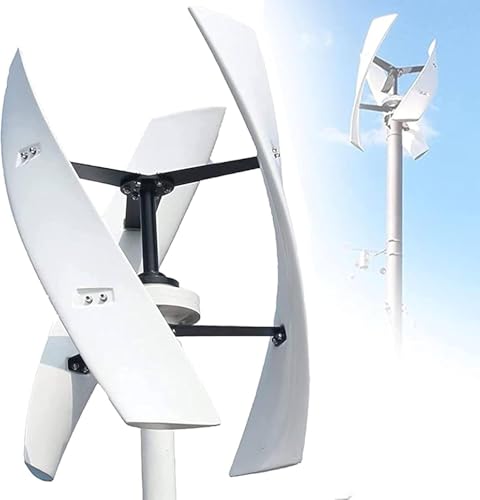
20000W Vertical Wind Turbine Generator Kit – Off-Grid Renewable Energy System for Home Power – 12V/24V/48V/220V Eco-Friendly Electricity Production
- Aerodynamic Wind Turbine Blades: Enhanced energy efficiency and performance
- Lightweight Nylon Fiber Blades: Operates from -40℃ to 80℃, captures light winds
- High Efficiency Design: Maximizes energy output in low-wind conditions
As an affiliate, we earn on qualifying purchases.
As an affiliate, we earn on qualifying purchases.
Next Steps in Nuclear Deployment and Gas Infrastructure Expansion
Monitoring the progress of announced nuclear projects, including SMRs and traditional reactors, over the coming years will clarify if the industry can meet its clean energy commitments. Concurrently, the continued expansion of behind-the-meter gas capacity will likely persist to support immediate power demands.
Policy developments, technological breakthroughs, and project execution will determine whether the nuclear promise materializes on time or if the gas infrastructure remains the primary energy source for AI data centers in the near term.

YGQ Generator Fuel Gas Level Gauge for Predator 8750 9000 Honda EB6500 EM6500SX Powermate Westinghouse 9500 Generac GP7000E Duromax 5300 5500 7500 8500 Generator
- Part Number Replacement: Compatible with multiple part numbers
- Fits Honda Generators: Suitable for various Honda models and engines
- Universal Compatibility: Works with Predator, Generac, and other brands
As an affiliate, we earn on qualifying purchases.
As an affiliate, we earn on qualifying purchases.
Key Questions
Why is there a gap between nuclear deals and actual power supply?
The gap exists because nuclear projects have long development timelines, often extending over a decade, while data centers require power immediately. As a result, the industry is building gas infrastructure now to meet current needs.
Is the current reliance on gas environmentally sustainable?
Relying on gas increases carbon emissions, which conflicts with the industry’s clean energy goals. The sustainability depends on whether nuclear or other clean solutions can be deployed faster.
Will SMRs be a viable solution to this timeline mismatch?
SMRs have potential but are still unproven at commercial scale in the US. Their success and timing are uncertain, and delays could prolong reliance on fossil fuels.
What are the risks of building behind-the-meter gas capacity?
The main risks include increased emissions, stranded assets if nuclear or renewables come online sooner, and regulatory or market changes that could impact fossil fuel infrastructure.
Source: ThorstenMeyerAI.com