
📊 Full opportunity report: HBM Ate The Fab on ThorstenMeyerAI.com — validation score, market gap, and execution plan.
TL;DR
The rise of HBM has transformed the memory industry, with its high profitability and manufacturing challenges causing a severe shortage of regular RAM. This shift is affecting GPU supply and prices, with all major suppliers fully booked through 2026.
High Bandwidth Memory (HBM) has become the primary driver of the global memory shortage, with all major suppliers fully booked through 2026. This shift affects GPU production and prices, making it a critical issue for the tech industry.
HBM, a high-performance memory technology, has rapidly grown from a niche product to a dominant component in AI accelerators and graphics cards. Its manufacturing process is highly complex and inefficient, requiring stacking multiple DRAM dies with through-silicon vias (TSVs), which significantly reduces yields and increases costs. As a result, each HBM stack consumes three to four times the wafer area of standard DDR5 memory, leading to a supply crunch.
Leading suppliers SK Hynix, Samsung, and Micron have all ramped production of HBM4 and HBM4E, with demand outstripping supply. Nvidia, which relies heavily on HBM for its AI GPUs, has secured production with all three suppliers for its upcoming Rubin platform. The market for HBM is projected to grow from $35 billion in 2025 to approximately $100 billion by 2028, representing over 40% of DRAM revenue in 2026.
This demand has diverted wafer capacity from standard RAM production, causing shortages that impact consumer products, including GPUs and other memory-dependent devices. The shortage is expected to persist through 2026, with prices for regular RAM likely to rise as a consequence.
HBM ate the fab
The thing the factories make instead of your RAM is a tower of stacked memory bolted to every AI chip. In three years it went from niche part to the component that sets the price of nearly all the world’s memory — and now a chunk of its GPUs.
A tower, not a sheet
HBM stacks DRAM dies vertically, links them with thousands of through-silicon vias, and sits beside the GPU to deliver 5–10× the bandwidth of normal graphics memory. AI is bandwidth-bound — without it, the world’s most expensive silicon sits starved for data. But stacking is inefficient: one HBM bit eats 3–4× the wafer area of DDR5, and one defect can ruin a whole tower.
≈ 8 HBM stacks wrap every AI GPUThis isn’t artificial scarcity — AI really is bandwidth-bound, HBM really is the fix, and it really does eat 3–4× its weight in fab capacity. The discomfort is structural: one component, coupled to one customer’s demand, now sets the price of nearly all memory and a slice of GPUs. The market is now $35B → ~$100B by 2028, ~41% of all DRAM revenue (was 8% in 2023), and sold out through 2026. The one hope: with all three suppliers finally racing on HBM4, competition can add supply. The matching risk: if AI demand corrects, HBM is where it breaks first. Next: DDR5 now, DDR6 soon.
Impact of HBM Dominance on Global RAM Supply
The shift toward HBM as the dominant memory technology is reshaping the entire industry, leading to a significant shortage of conventional RAM. This shortage affects a broad range of products, including gaming GPUs, laptops, and smartphones, potentially driving up prices and limiting availability. The reliance on highly complex, wafer-hungry manufacturing processes underscores the industry’s focus on high-margin, high-performance components, at the expense of general-purpose memory supply. This trend could influence pricing, supply chains, and technological development in the coming years.

EVGA GeForce RTX 3090 FTW3 Ultra Gaming, 24GB GDDR6X, 10496 CUDA Cores, 1800MHz Boost Clock, 3x Fans, ARGB LED, Metal Backplate, PCIe 4, HDMI, DisplayPort, Desktop Compatible
As an affiliate, we earn on qualifying purchases.
As an affiliate, we earn on qualifying purchases.
Rise of HBM and Industry Concentration
Historically, the memory industry has been characterized by steady growth in DRAM capacity and innovation. However, the recent surge in HBM demand, driven by AI and high-end graphics applications, has shifted focus toward high-margin, wafer-intensive products. SK Hynix currently leads with over 50% of the HBM market, followed by Samsung and Micron, all competing to meet the demands of major clients like Nvidia. The technological complexity and yield challenges associated with HBM manufacturing have limited supply, fueling shortages.
By mid-2026, all three suppliers had qualified and begun production of HBM4 for Nvidia’s Rubin platform, marking a significant milestone. This development has shifted the industry from a “who can ship?” scenario to “who can supply at the best yield and price,” emphasizing capacity and efficiency over mere qualification.
“Our HBM4 qualification is progressing well, and we are committed to meeting the high demand from key clients like Nvidia.”
— Samsung representative
HBM memory modules
As an affiliate, we earn on qualifying purchases.
As an affiliate, we earn on qualifying purchases.
Uncertainties About Future Supply and Pricing
While all three major suppliers have qualified and begun production of HBM4, the exact capacity, yield rates, and pricing remain uncertain. It is unclear how long the supply constraints will persist beyond 2026 and how this will impact the broader memory market and consumer products.
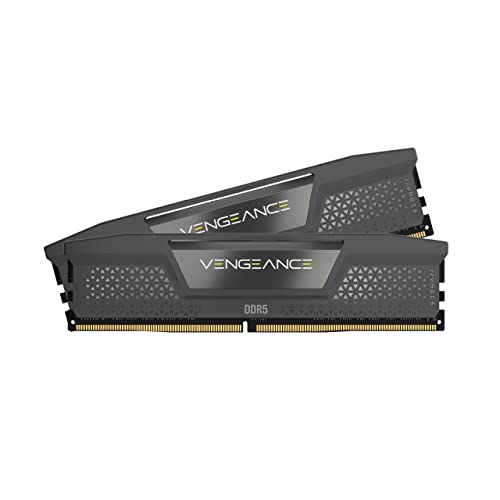
CORSAIR Vengeance DDR5 RAM 32GB (2x16GB) Up to 6000MHz CL36-44-44-96 1.35V AMD EXPO Intel XMP 3.0 Computer Memory – Grey (CMK32GX5M2E6000Z36)
Disclaimer: Maximum Speed requires overclocking/PC BIOS adjustments. Maximum speed and performance depend on system components, including motherboard and…
As an affiliate, we earn on qualifying purchases.
As an affiliate, we earn on qualifying purchases.
Next Steps in HBM Production and Market Dynamics
Manufacturers are expected to continue ramping HBM4 and HBM4E production through 2026 and into 2027. Industry analysts will monitor yield improvements and capacity expansion, which could alleviate shortages. Meanwhile, prices for standard RAM are likely to remain elevated until supply stabilizes, influencing pricing strategies across the tech sector.

ASUS ROG Astral NVIDIA GeForce RTX 5090 32GB GDDR7 OC Edition Gaming Graphics Card (PCIe 5.0, HDMI/DP 2.1, 3.8-Slot, 4-Fan Design, Axial-tech Fans, Patented Vapor Chamber), 3 Year Warranty
Powered by the NVIDIA Blackwell architecture and DLSS 4
As an affiliate, we earn on qualifying purchases.
As an affiliate, we earn on qualifying purchases.
Key Questions
Why is HBM causing a RAM shortage?
Because HBM manufacturing is highly wafer-intensive and yields are low, each HBM stack consumes multiple times the wafer area of standard RAM, diverting capacity from regular memory production and causing shortages.
Who are the main suppliers of HBM?
SK Hynix, Samsung, and Micron are the primary suppliers, with SK Hynix leading the market and Samsung and Micron competing closely for future generations.
How will this shortage affect consumers?
The shortage is likely to increase prices and limit availability of GPUs, laptops, and other devices relying on high-performance memory, at least through 2026.
When will supply stabilize?
Supply is expected to improve as manufacturers ramp up HBM4 and HBM4E production through 2027, but the exact timeline remains uncertain.
Is this trend likely to continue beyond 2026?
Yes, as demand for high-bandwidth memory grows, especially for AI and advanced graphics, the industry will likely focus on increasing supply, but manufacturing challenges may persist.
Source: ThorstenMeyerAI.com