Many new crypto users believe cold storage is just about keeping things offline or using hardware wallets, but it’s more complex. Simply writing seed phrases on paper or relying solely on hardware wallets doesn’t guarantee safety if not handled correctly. Proper backups, secure storage locations, and good security habits are essential. Misunderstanding these aspects can leave your assets vulnerable. Keep exploring to learn how to truly protect your crypto long-term.
Key Takeaways
- Cold storage is not just physical separation; it requires proper setup, handling, and secure backup management.
- Hardware wallets are offline but not foolproof; their security depends on how the device and seed phrase are managed.
- Storing seed phrases digitally or on paper without secure backups increases vulnerability; multiple offline backups are essential.
- Many believe cold storage is overly complex, but user-friendly devices and best practices make it accessible for beginners.
- Proper education about evolving threats and cryptography principles is critical to avoid misconceptions and ensure asset safety.
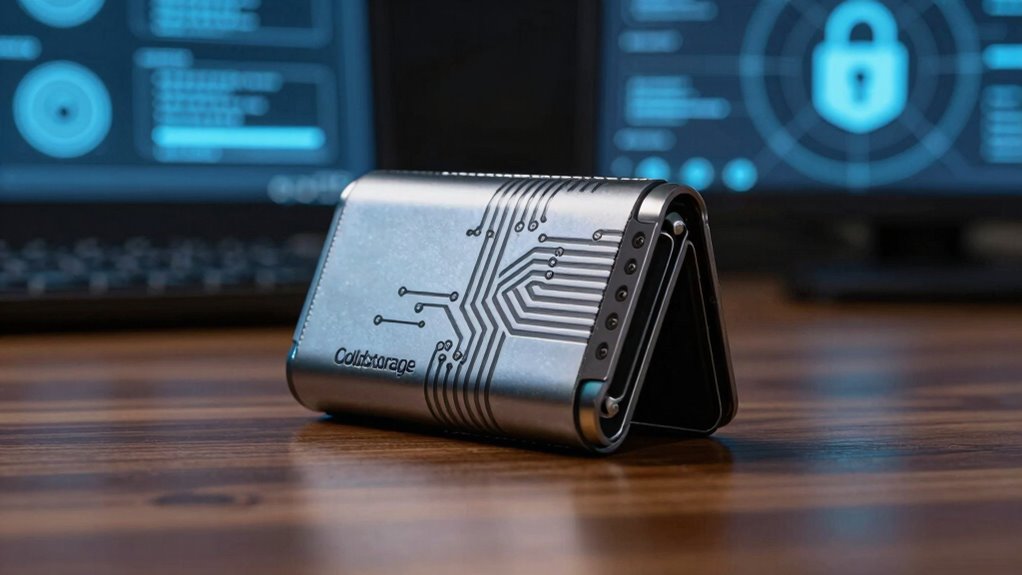
Many people assume that cold storage is simply a matter of keeping items in a refrigerator or freezer, but there are common misconceptions that can lead to inefficient practices. When it comes to safeguarding your cryptocurrency, cold storage involves more than just physical separation from online networks. It’s about ensuring your private keys are stored securely, away from potential online threats. Many newcomers believe that simply saving their seed phrases on paper is enough, but this overlooks critical security details, especially when it comes to hardware wallets. Hardware wallets are a popular form of cold storage because they keep your private keys offline, making them resistant to hacking attempts that target online wallets. However, assuming that a hardware wallet alone guarantees total safety can be misleading. Offline security is a layered approach; it requires careful handling, secure setup, and proper storage of backup phrases. Additionally, understanding the importance of offline security practices is crucial for protecting your assets effectively. A common myth is that once you set up a hardware wallet, your crypto is completely safe forever. In reality, the security depends heavily on how you handle the device and its recovery seed. If you lose your seed phrase or it gets stolen, your assets could be compromised, regardless of the hardware wallet’s security features. That’s why many experts advise keeping backups in secure, offline locations—preferably in different physical places—so you’re protected against theft, damage, or loss. Some new users think that storing their seed phrases digitally, like on a computer or cloud service, isn’t risky because they’re only saved for personal use. But this contradicts the principle of offline security. The goal is to keep sensitive information completely disconnected from the internet, reducing exposure to hacking or malware. It’s also a myth that cold storage methods are intricate or only for advanced users. While setting up hardware wallets and managing seed phrases does require some knowledge, many reputable devices come with clear instructions and user-friendly interfaces. The importance of proper handling and storage cannot be overstated in maintaining the security integrity of your cold storage setup. Proper security awareness is essential to stay informed about evolving threats and best practices. A good understanding of cryptography principles can help users grasp why certain practices are necessary to maintain security. Being aware of common vulnerabilities can further help in designing robust security measures. The key is understanding that cold storage isn’t just about the device itself but also about how you store, handle, and secure your private keys. By treating hardware wallets as part of a complete offline security strategy, you minimize vulnerabilities. Remember, the goal is to keep your crypto assets safe from online threats, physical theft, and accidental loss—using a combination of hardware wallets, secure backup storage, and prudent handling. So, avoid misconceptions, invest time in learning proper cold storage practices, and you’ll be better equipped to protect your crypto investments long-term.
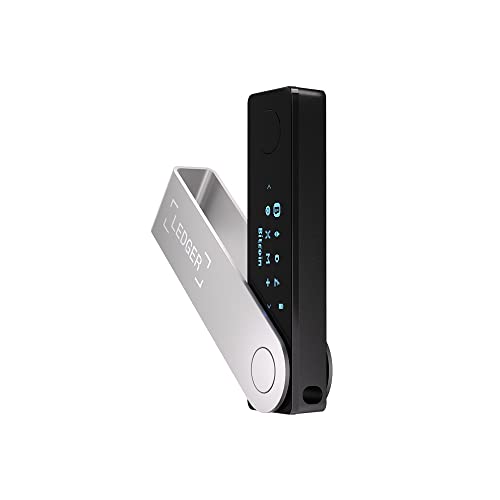
Ledger Nano X Crypto Wallet Signer – Securely Manage All Your Crypto Assets with This Bluetooth Enabled Classic – Onyx Black
- All-in-One Crypto Management: Buy, sell, swap, stake, and track 15,000+ coins
- Market Monitoring: Real-time alerts and performance tracking
- Bluetooth & iOS Compatible: Wireless connectivity for mobile convenience
As an affiliate, we earn on qualifying purchases.
As an affiliate, we earn on qualifying purchases.
Frequently Asked Questions
Can Cold Storage Be Hacked Remotely?
Cold storage cannot be hacked remotely, as it keeps your private keys offline, away from digital vulnerabilities. However, you should still be cautious because physical access to your device or storage medium could lead to hacking. Always store your cold wallet in a secure location, and avoid sharing sensitive information. While remote hacking isn’t a threat, physical security is essential for protecting your crypto assets.
Is Hardware Wallet Theft Covered by Insurance?
Most hardware wallet thefts aren’t covered by insurance, leaving you vulnerable. Less than 10% of crypto insurance policies include theft protection for hardware wallets, meaning your losses from theft are often out-of-pocket. Insurance claims typically cover online hacks, not physical theft. To protect your assets, consider additional security measures, but remember that hardware wallet theft usually isn’t covered by standard insurance, so stay vigilant and secure your device carefully.
How Often Should I Update My Cold Storage Device?
You should update your cold storage device whenever the manufacturer releases firmware updates, which often improve hardware durability and security. Regular updates help protect your assets from vulnerabilities and guarantee compatibility with new features. Check for updates every few months or whenever prompted by your device. Staying current with firmware updates is essential to maintaining the security of your cold storage and safeguarding your crypto holdings effectively.
Are Paper Wallets Still Secure Today?
Did you know over 60% of crypto owners believe paper wallets are still completely secure? While paper wallets can be safe with strong physical security measures, they have notable vulnerabilities like theft, damage, or loss. If your paper wallet isn’t stored securely—hidden, protected from water, fire, or physical tampering—your funds could be at risk. Always combine paper wallets with robust physical security and consider newer storage options for peace of mind.
What Are the Risks of Keeping Crypto Offline Long-Term?
Keeping crypto offline long-term can expose you to risks like hardware failure, theft, or loss of access if you forget your keys. Cold storage misconceptions sometimes lead you to believe it’s completely risk-free, but no method is perfect. To guarantee long-term security, use reliable devices, keep backups in secure locations, and follow robust security strategies. Balancing offline storage with regular updates helps protect your assets effectively.

ELLIPAL Crypto Seed Phrase Backup, 316 Stainless Steel Metal Seed Phrase Storage with Lock Hole, 24 Words Backup, Compatible with BIP39 Hardware Wallets, Ledger, Trezor
- Indestructible Material: 316 stainless steel, fireproof and waterproof
- Extreme Security: Offline storage protects against hackers
- Supports 24 Words: Compatible with 12-24 word mnemonics
As an affiliate, we earn on qualifying purchases.
As an affiliate, we earn on qualifying purchases.
Conclusion
Don’t let these myths trap you like shadows lurking in a dimly lit alley. Instead, arm yourself with clear facts, and picture your crypto assets as a fortress, unbreakable and secure. By shedding misconceptions, you’ll navigate the cold storage landscape with confidence, avoiding the icy pitfalls that can freeze your progress. Remember, understanding is the torch that lights your path through the dark maze of myths, guiding you safely to the warm glow of true security.

ELLIPAL Titan 2.0 Air-Gapped Crypto Wallet – Cold Wallet for Bitcoin, ETH, SOL, XRP, NFT & 10,000+ Coins and Tokens – Trusted Cold Storage Hardware Wallet
- Offline Air-Gapped Security: Fully isolated from internet for maximum security
- Secure Transaction Signing: Sign transactions via QR code with no network connection
- Large HD Display: 4.1-inch screen for clear transaction details
As an affiliate, we earn on qualifying purchases.
As an affiliate, we earn on qualifying purchases.

TANGEM Crypto Wallet Pack of 2 – Trusted Cold Storage Hardware Wallet
- Trusted Security: Military-grade EAL6+ security with no hacks
- Easy Blockchain Access: Manage 90 blockchains with one tap
- Wide Cryptocurrency Support: Access 14,100+ coins, tokens, NFTs, DeFi
As an affiliate, we earn on qualifying purchases.
As an affiliate, we earn on qualifying purchases.