
Air-gapped wallets aren’t magic—you need to understand their detailed workflow to keep your assets safe. This means creating unsigned transactions on online devices, then transferring those securely via USB or QR codes for offline signing. You must verify hardware authenticity, maintain a secure environment, and double-check transfer methods to prevent leaks. Mastering each step ensures your private keys stay protected; otherwise, your security could be compromised. Keep going to discover how to implement these best practices effectively.
Key Takeaways
- Understanding the secure process of creating, transferring, and signing transactions is essential to effectively use air-gapped wallets.
- Private keys never touch internet-connected devices, but proper workflow ensures their continued safety.
- Secure transfer methods like USB or QR codes must be verified to prevent data corruption or malicious interference.
- Regular firmware updates, backups, and careful device handling are crucial for maintaining wallet security.
- Mastering the entire workflow minimizes vulnerabilities and ensures the air-gapped wallet functions as intended.
Have you ever wondered how to keep your cryptocurrencies completely secure from online threats? If so, you’re probably considering air-gapped wallets as a solution. While they offer impressive security, they aren’t magic—unless you understand the workflow involved. These wallets rely heavily on hardware security and cold storage principles, meaning your private keys never touch an internet-connected device. It’s this disconnection from online networks that makes air-gapped wallets a robust way to protect your assets. But simply owning one isn’t enough; you need to master the process of creating, transferring, and managing your keys securely.
Mastering the workflow of air-gapped wallets is essential for truly securing your cryptocurrencies from online threats.
The key to effective air-gapped wallets lies in how you handle your hardware security. You typically generate your private keys on a dedicated, offline device—often a hardware wallet or a specially prepared computer—never connected to the internet. This device acts as your cold storage solution, safeguarding your private keys from online hackers or malware. When you want to send or receive cryptocurrencies, you create unsigned transactions on an online device, then transfer them to the offline device via a secure method—usually a USB drive or QR code scan. The signing process happens entirely offline, ensuring your private keys stay isolated from any potential online threats.
However, this workflow demands strict discipline. You must verify the authenticity of your hardware, ensure the offline environment is secure, and avoid any accidental exposure of your private keys. It’s essential to understand how to properly initialize your hardware security device, generate your keys, and securely transfer transaction data without introducing vulnerabilities. For example, if you use a USB drive, make sure it’s formatted correctly and free of malware before transferring files. When using QR codes, double-check the codes for accuracy and authenticity, because even a small mistake can compromise your cold storage. Additionally, understanding hardware security principles helps you better safeguard your private keys and avoid common pitfalls. Using secure transfer methods is crucial to maintaining the integrity of the entire process, especially when handling sensitive transaction data. Incorporating best practices in security further enhances your protection against evolving threats. Moreover, staying informed about the latest security best practices is vital to adapt your workflow to evolving threats.
Managing an air-gapped wallet also involves a clear understanding of how to update your device’s firmware safely, how to perform backups without risking exposure, and how to restore your wallet if needed. It requires a disciplined workflow that keeps your private keys completely offline at all times, except during the limited, controlled signing process. Without this understanding, you risk undermining the very security you’re trying to achieve. As much as air-gapped wallets provide strong protection, they demand careful planning, precise execution, and a thorough grasp of hardware security principles. Only then can you truly leverage their full potential and keep your cryptocurrencies safe from sophisticated online threats.
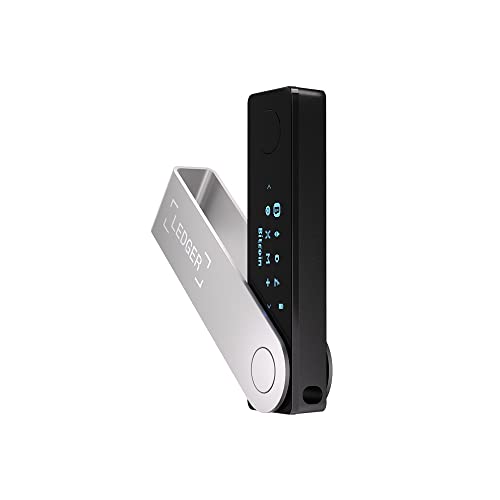
Ledger Nano X – Classic Crypto Wallet with Bluetooth
- All-in-One Crypto Management: Buy, sell, swap, stake, and track 15,000+ coins
- Market Monitoring: Real-time alerts and performance tracking
- Bluetooth & iOS Compatible: Wireless connectivity for mobile convenience
As an affiliate, we earn on qualifying purchases.
As an affiliate, we earn on qualifying purchases.
Frequently Asked Questions
Can Air-Gapped Wallets Prevent All Types of Cyberattacks?
Air-gapped wallets can prevent many cyberattacks, but they aren’t foolproof against all threats. Quantum vulnerabilities might threaten cryptographic security in the future, while social engineering attacks can still deceive you into revealing sensitive info or transferring funds. You must stay vigilant and follow best practices, as no security measure is entirely immune. These wallets reduce risks but don’t eliminate every possible attack vector.
What Are the Main Risks of Using an Air-Gapped Wallet?
The main risks of using an air-gapped wallet include potential security breaches from user errors or malware on connected devices. While it offers secure storage, you must remain vigilant about physical security and device integrity. User responsibility is vital—if you lose access or mishandle your wallet, recovery becomes difficult. Always keep backups and follow best practices, as no system is entirely foolproof without careful management.
How Often Should I Update My Air-Gapped Wallet’s Software?
You should update your air-gapped wallet’s software only when necessary, but don’t forget to regularly check for updates—irony, right? Keeping your wallet recovery options and secure backups current is vital, even if updates seem optional. Aim for a balance: update when security patches roll out or vulnerabilities emerge, and always verify the integrity of your backups afterward. This way, your wallet stays safe without overdoing it.
Is It Necessary to Use a Hardware Device for Air-Gapped Wallets?
You don’t necessarily need a hardware device for your air-gapped setup, but it’s highly recommended for cold storage security. Using a dedicated hardware wallet or computer keeps your private keys offline and protected from online threats. This physical separation ensures better security, reducing hacking risks. An air-gapped setup with hardware helps preserve the integrity of your cold storage, giving you peace of mind that your funds stay safe from cyber attacks.
Can Air-Gapped Wallets Be Hacked Physically?
Think of your air-gapped wallet as a fortress—sealed tight and hard to breach. While it’s tough for hackers remotely, physical security is your Achilles’ heel. Someone with insider threats or malicious intent could physically access your device, tamper with it, or steal your keys. To defend against this, keep your hardware secure, limit access, and monitor your environment. Remember, a fortress is only as strong as its guards.

ELLIPAL Titan 2.0 Air-Gapped Crypto Wallet – Cold Wallet for Bitcoin, ETH, SOL, XRP, NFT & 10,000+ Coins and Tokens – Trusted Cold Storage Hardware Wallet
- Offline Air-Gapped Security: Fully isolated from internet for maximum security
- Secure Transaction Signing: Sign transactions via QR code with no network connection
- Large HD Display: 4.1-inch screen for clear transaction details
As an affiliate, we earn on qualifying purchases.
As an affiliate, we earn on qualifying purchases.
Conclusion
Remember, an air-gapped wallet isn’t a magic shield—it’s a tool that requires understanding and careful handling. Like a well-trained guard, it keeps your assets safe only if you know how it works and follow best practices. Don’t assume it’s foolproof just because it’s offline. As the saying goes, “A chain is only as strong as its weakest link.” Stay vigilant, educate yourself, and keep your crypto secure.

Ledger Nano S Plus – Classic Crypto Wallet
- Asset Management: Manage thousands of cryptocurrencies
- Enhanced Security: Passwordless, hardware-backed 2FA
- Connectivity: USB-C connection, compatible with desktop and Android
As an affiliate, we earn on qualifying purchases.
As an affiliate, we earn on qualifying purchases.

WhoseID QR Code Dog Tag with NFC, Personalized Pet ID Tag, Silicone Dog ID Tag, Modifiable Pet Online Profile, Multiple Emergency Contact, Scan QR Code Send GPS Location Email (Regular, Navy Blue)
- Material: Food-grade silicone, skin-friendly and waterproof
- Compatibility: Fits 3/8 to 1 inch collars and harnesses
- Functionality: QR code and NFC for quick access to pet info
As an affiliate, we earn on qualifying purchases.
As an affiliate, we earn on qualifying purchases.