
TL;DR

Get hardware and tech essentials delivered free — and shop member deals
- Fast, free delivery on millions of items
- Access to Prime Big Deal Days deals on October 6–7
- Prime Video, Amazon Music and more included
Taiwan produces over 90% of advanced semiconductors, making its chips crucial to the global economy. China’s potential actions could severely disrupt supply chains, raising geopolitical and economic risks. The situation remains uncertain, with escalating tensions and limited clarity on China’s next moves.
Taiwan’s semiconductor industry, dominated by TSMC, is critical to the global economy, producing over 90% of advanced chips. China’s strategic leverage over Taiwan raises the risk of supply chain disruptions, which could have worldwide economic impacts, according to experts.
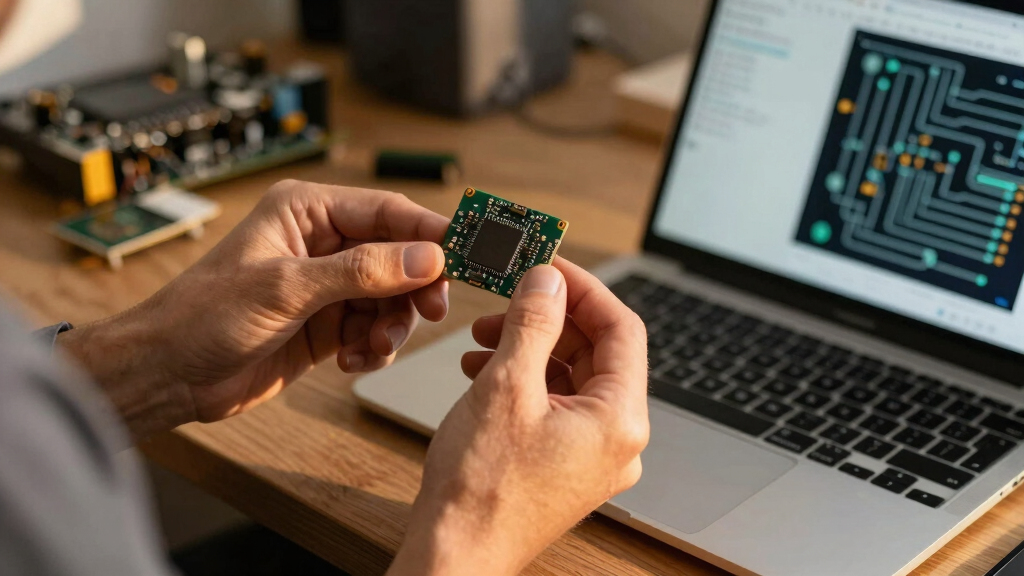
TSMC, the world’s leading semiconductor manufacturer, supplies the majority of chips used in smartphones, electric vehicles, and artificial intelligence systems. Any significant disruption to Taiwan’s chip exports could cause a global economic shock, potentially reducing global GDP by multiple percentage points, as noted by Hoover fellow Eyck Freymann.
China has not indicated plans to invade Taiwan but has alternative means to exert pressure, such as a blockade, quarantine, or coercive economic measures that could cripple Taiwan’s chip industry without military conflict. These actions could still lead to severe supply chain disruptions, affecting industries worldwide.
The so-called ‘Silicon Shield’—the mutual dependence between Taiwan and global tech firms—serves as a deterrent but is not foolproof. China’s ability to quarantine Taiwan’s exports or enforce customs inspections could effectively choke off chip flow without direct military action, according to analysts.
Why It Matters
This situation matters because Taiwan’s chips are integral to modern technology and economic stability. A disruption could trigger a cascade of failures across industries, from automotive to consumer electronics, and challenge global economic resilience. The geopolitical risk also influences international diplomacy and security strategies.
As an affiliate, we earn on qualifying purchases.
Background
Over recent years, tensions have increased between China and Taiwan amid broader U.S.-China strategic competition. China views Taiwan as part of its territory, and the Taiwanese semiconductor industry has become a focal point in this dispute. The U.S. has increased support for Taiwan, including legislation like the CHIPS Act, aimed at boosting domestic semiconductor manufacturing and reducing reliance on Taiwan’s supply chain.
Historically, Taiwan’s semiconductor industry has operated with a degree of strategic independence, but its economic and technological importance makes it a potential flashpoint. The global economy has become increasingly vulnerable to disruptions originating from the Taiwan Strait, especially given the concentration of advanced chip production on the island.
“The economic shock from a serious Taiwan disruption would dwarf anything we’ve seen in the postwar period.”
— Eyck Freymann, Hoover fellow at Stanford University
“The fabs would be inoperable if attacked or sabotaged, and many depend on foreign equipment and workforce.”
— TSMC spokesperson
advanced semiconductor manufacturing equipment
As an affiliate, we earn on qualifying purchases.
As an affiliate, we earn on qualifying purchases.
What Remains Unclear
It remains unclear what specific actions China might take to exert leverage over Taiwan’s chip industry, and how the U.S. and its allies will respond to such measures. The likelihood of military conflict versus economic coercion is still uncertain, as are the precise consequences of any disruption.
electric vehicle semiconductor chips
As an affiliate, we earn on qualifying purchases.
As an affiliate, we earn on qualifying purchases.
What’s Next
Next steps include increased diplomatic efforts to prevent escalation, potential military posturing, and ongoing discussions about supply chain resilience. Monitoring China’s strategic moves and Taiwan’s response will be critical, as well as developments in U.S. and allied policies aimed at mitigating economic fallout.
As an affiliate, we earn on qualifying purchases.
Key Questions
Why is Taiwan’s chip industry so important globally?
Because Taiwan’s TSMC produces over 90% of the world’s advanced semiconductors, which are essential for modern electronics, vehicles, and AI systems. Disruptions could impact countless industries worldwide.
What options does China have to influence Taiwan’s chip exports?
China could impose a blockade, conduct customs inspections, or exert economic pressure without military invasion, potentially crippling Taiwan’s ability to export chips without direct conflict.
Could a disruption to Taiwan’s chips cause a global economic crisis?
Yes, a significant and sustained disruption could reduce global GDP by several points and cause widespread supply chain failures across multiple sectors.
What is the ‘Silicon Shield’ and how effective is it?
The Silicon Shield refers to the mutual dependence between Taiwan and global tech companies. While it provides some deterrence, experts say it is overrated and not foolproof against coercive measures.
What are the next steps for policymakers?
Policymakers are likely to focus on diplomatic engagement, strengthening supply chain resilience, and possibly increasing domestic semiconductor production to reduce dependence on Taiwan.
Halloween Picks
halloween
As an affiliate, we earn on qualifying purchases.