
TL;DR

Get hardware and tech essentials delivered free with Prime
- Fast, free delivery on millions of items
- Prime Video, Amazon Music and more included
- Member-only deals all year
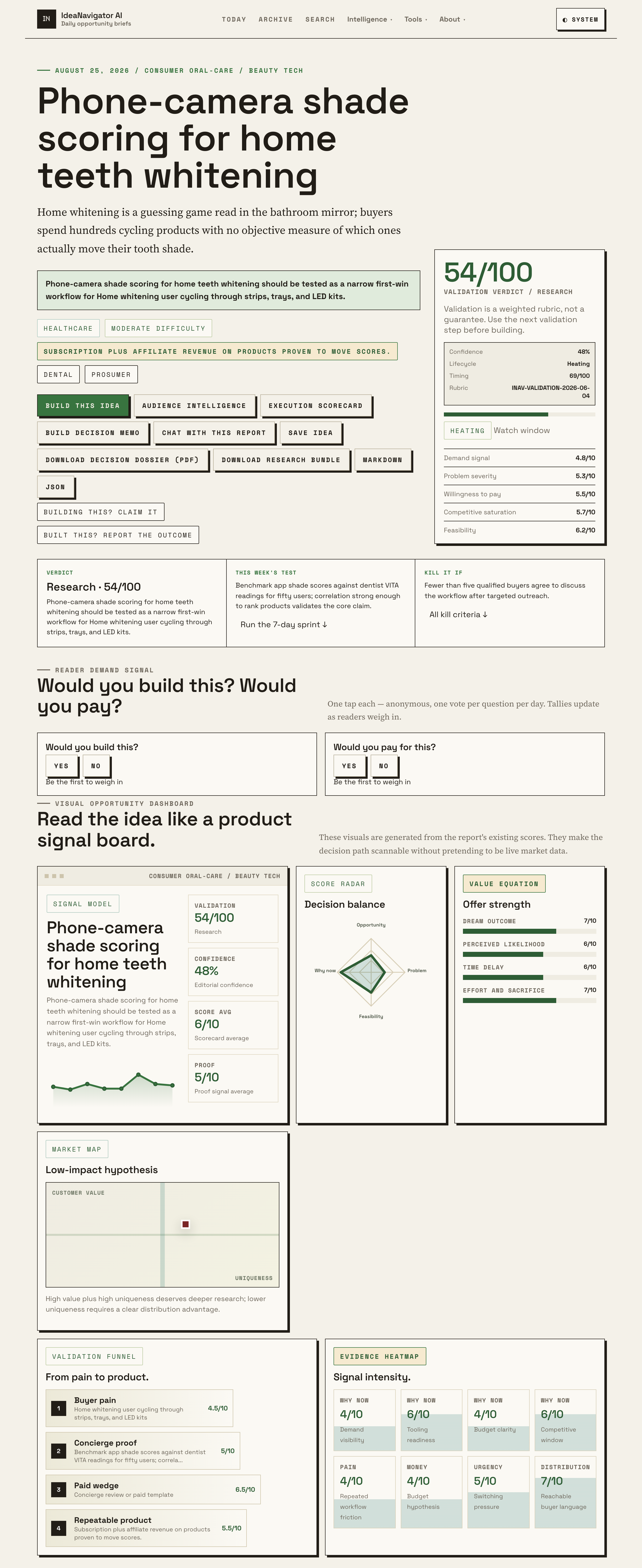
Researchers are testing phone-camera shade scoring as an objective tool for at-home teeth whitening. This technology could help users track progress more accurately and choose effective products, with validation ongoing.
Phone-camera shade scoring is being tested as a tool for objectively measuring teeth whitening progress at home, offering a potential solution to the longstanding challenge of gauging whitening effectiveness without dentist oversight. The development aims to provide consumers with a calibrated, easy-to-use measurement system that could improve decision-making and product selection in the growing home dental care market.
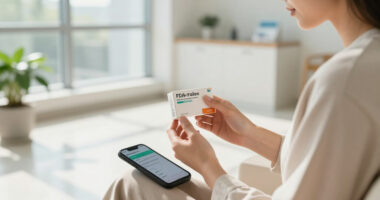
The concept involves a guided-lighting photo flow within a mobile app that captures images of the user’s teeth and compares the shade against a standardized dental shade scale, such as the VITA scale used by dentists. This approach is designed to approximate professional shade readings, which are currently difficult for consumers to replicate at home. The app would track changes over weeks, displaying progress and identifying which products—strips, trays, or LED kits—actually move the shade score.
According to sources familiar with the project, initial testing involves benchmarking the app’s shade scores against dentist-provided VITA readings for fifty users. The goal is to establish a strong correlation that would validate the app as a reliable measurement tool. If successful, this technology could enable subscription models where users receive personalized product recommendations based on their shade progress, supported by affiliate revenue streams.
The opportunity arises amid a large and competitive market for consumer oral care and beauty tech, where many users cycle through multiple whitening products without objective feedback. Home whitening remains a largely subjective process, with consumers relying on mirrors and personal judgment, often leading to inconsistent results and wasted expenditure.
Potential Impact on Home Teeth Whitening Accuracy
If validated, phone-camera shade scoring could significantly improve the accuracy of at-home teeth whitening, reducing guesswork and enhancing consumer confidence. This technology might lead to more efficient product use, better results, and reduced frustration for users. Additionally, it could create a new measurement layer in the market, allowing brands to offer more data-driven products and services, and enabling consumers to make more informed choices.
As an affiliate, we earn on qualifying purchases.
Growing Demand for Objective Dental Measurement Tools
The concept builds on advances in smartphone camera technology and guided-lighting systems that can approximate professional dental shade assessments. Currently, most consumers rely on visual judgment in the bathroom mirror, which is prone to variability. The idea of using a mobile app to standardize and quantify whitening progress has gained interest as part of a broader trend toward digital health and beauty tech solutions. Market research indicates a strong consumer appetite for tools that provide measurable, objective feedback on personal care routines.
Previous attempts at at-home dental measurement have focused on simple visual guides or color charts, but these are often subjective and unreliable. The new approach aims to leverage calibrated lighting and image processing to produce comparable results to dentist-grade shade readings, which could revolutionize how consumers approach whitening routines.
“The goal is to develop a mobile app that can reliably measure tooth shade changes over time, similar to what dentists achieve with calibrated tools.”
— an anonymous researcher
As an affiliate, we earn on qualifying purchases.
Validation and Accuracy of Phone-Based Shade Measurements
It is not yet confirmed how accurately the app’s shade scores will correlate with dentist-grade readings across diverse users and lighting conditions. The validation process is ongoing, and results could vary depending on user compliance and device calibration. Further testing is needed to establish reliability and determine whether the technology can replace or supplement professional assessments.
As an affiliate, we earn on qualifying purchases.
Next Steps in Testing and Market Deployment
The next phase involves completing the benchmarking study with fifty users, analyzing the correlation between app scores and dentist readings. If results are promising, developers plan to refine the guided-lighting process and expand testing to larger populations. Successful validation could lead to commercial app launches, subscription models, and partnerships with oral care brands interested in integrating objective measurement tools into their products.
As an affiliate, we earn on qualifying purchases.
Key Questions
How does phone-camera shade scoring work?
The system uses guided lighting and image capture to compare the color of teeth against a standardized shade scale, providing an objective measure of whitening progress.
Can this technology replace dentist shade assessments?
It aims to approximate professional readings but has not yet been confirmed to fully replace dentist assessments. Validation results are still pending.
Will this app help me choose the best whitening product?
If validated, the app could recommend products based on your shade progress and suggest which treatments are most effective for your starting shade.
When will this technology be available for consumers?
Initial testing is ongoing; a commercial release depends on validation success and further development, which could take several months to a year.
Is phone-camera shade scoring safe and reliable?
While promising, the technology is still in development, and its reliability and safety depend on validation outcomes and proper use guidelines.
Source: IdeaNavigator AI
Halloween Picks
halloween
As an affiliate, we earn on qualifying purchases.