
TL;DR

Get hardware and tech essentials delivered free with Prime
- Fast, free delivery on millions of items
- Prime Video, Amazon Music and more included
- Member-only deals all year
Magnus Ahmad says two men used a distraction outside a Hackney bar to steal his unlocked iPhone, then accessed cryptocurrency wallets, financial accounts and personal data. He estimates his losses at about $14,000; London police figures cited in earlier reporting indicate phone thefts have declined in parts of the city amid a crackdown.
Magnus Ahmad says thieves stole his unlocked iPhone outside a bar in Hackney, east London, and quickly used it to access cryptocurrency wallets and financial accounts, leaving him with an estimated $14,000 in losses. The account, reported by CoinDesk on Oct. 31, shows how a street theft can expose far more than the value of a phone when a device is already unlocked.
The theft happened shortly after 1 a.m. on Aug. 8, after Ahmad had spent the evening with friends at a bar in Hackney’s Market Hall area. Ahmad, a former crypto executive who now runs an AI education business, told CoinDesk that two men had spoken with him for hours and appeared to watch him enter his phone passcode. He later encountered them outside The Dolphin on Mare Street.
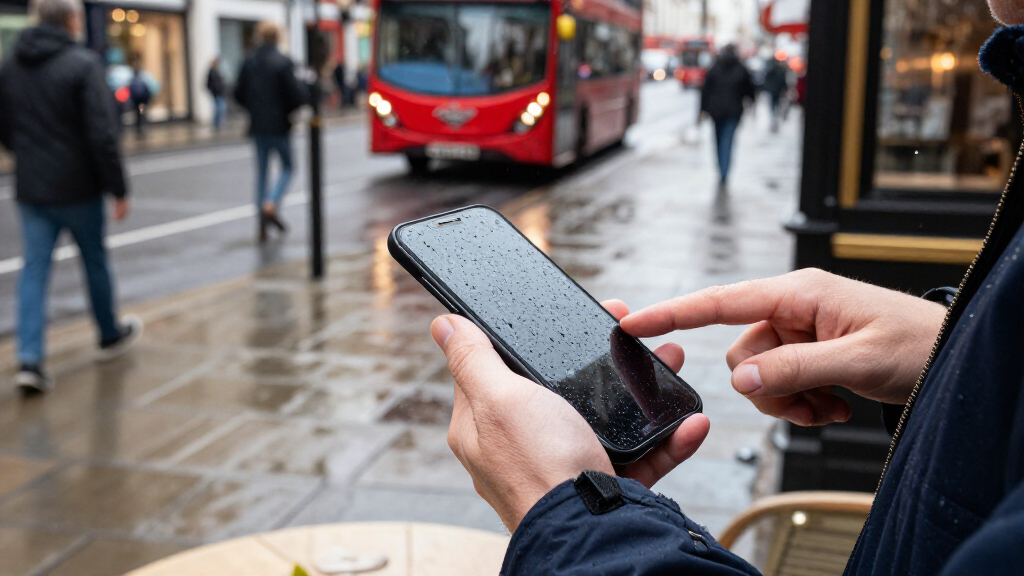
One man asked to enter his phone number, Ahmad recalled, and offered to do it himself. Ahmad handed over his unlocked iPhone 14 Pro Max; a third man then grabbed the device and ran. Ahmad chased him before returning to the bar and asking staff to contact police. He said he did not initially realize how quickly his accounts would be targeted.
According to Ahmad, activity began in his MetaMask wallet by 1:53 a.m., and his Phantom and Bybit accounts were also accessed. By 3:22 a.m., he said, six unauthorized card transactions had gone through, including more than $2,000 in purchases at Costcutter. The thieves also used his Uber account and accessed his eToro account, opening leveraged cryptocurrency positions with nearly $44,000 in trading exposure. That figure was exposure, not a $44,000 withdrawal.
Ahmad estimates the losses at about $9,500 in cryptocurrency, nearly $3,000 in card charges and more than $800 in eToro trading losses and costs. He said larger bank balances and other crypto holdings remained intact after he froze cards and recovered control of key accounts. The amounts are his estimates, not an independently verified accounting.
How a Phone Theft Became Account Losses
The case highlights the potential consequences when a thief gets a smartphone that is already unlocked or learns its passcode. A single device may provide access to wallet apps, payment cards, trading accounts and email, allowing activity across several services before a victim can secure them. Ahmad’s account shows that the risk can include unauthorized trades and fees, not only transfers of cryptocurrency.
For London residents and visitors, the reported tactic also underlines the role of social engineering and distraction. The theft did not begin with a forceful grab in the street: Ahmad says the men had built familiarity over the evening and watched him enter his code. His experience is one reported case and does not establish how common this method is across the city.
There is a wider public-safety dimension. Stolen phones can be resold or moved through organized networks, while victims may face lengthy account-recovery efforts and exposure of personal data. Ahmad said he spent seven hours trying to regain control of accounts, illustrating how the disruption can continue long after the device is gone.
Products Worth Considering

Trezor Safe 7 Crypto Hardware Wallet

Trezor Safe 5 Crypto Hardware Wallet with Color Touchscreen, Black Graphite

Apple MacBook Pro 14 2021 with M1 Max, 64GB RAM, 2TB SSD, Silver
As an affiliate, we earn on qualifying purchases.
London’s Phone-Theft Crackdown
Ahmad’s experience sits within continuing concerns about phone theft and the movement of stolen devices out of London. CoinDesk referenced earlier reporting by The Times on thieves who persuaded victims to hand over unlocked phones, as well as investigations by the BBC and Metro into stolen iPhones being shipped overseas and later located in China using Apple’s Find My service.
The Metropolitan Police has said it dismantled a group suspected of trafficking as many as 40,000 stolen phones to China; three men were sentenced to a combined 25 years in prison in that case. Those details describe a separate investigation and do not link Ahmad’s alleged thieves to that group.
Figures from the Metropolitan Police cited by The Times in July showed phone thefts in London’s West End had fallen 50% over the previous year. That figure concerns the West End and does not establish the trend near The Dolphin in Hackney. The venue’s manager, Lord Cemal, told CoinDesk phone thefts near the bar had been a serious problem and said his daughter’s stolen iPhone was activated in China two weeks later.
““I was putting in his number, and he said, ‘Oh, let me just do it, it’ll be quicker.’””
— Magnus Ahmad, speaking to CoinDesk
Questions About the Theft and Losses
The reported account does not establish whether police identified or arrested the people who took Ahmad’s phone, or whether any of the stolen funds were recovered. CoinDesk’s report presents the incident and loss figures through Ahmad’s account; the estimates have not been independently verified in the material provided.
Ahmad also said his MacBook became unusable during the ordeal and suspected the thieves had remotely locked it through his Apple account. The report does not independently establish what caused the problem. It is also unclear whether the men who allegedly took his phone were connected to any organized phone-trafficking group.
The cited 50% decrease concerns phone thefts in the West End over the previous year. It cannot confirm whether thefts are falling across London or around the Hackney venue. The full scale of the current problem, and the extent to which the crackdown has changed activity in different neighborhoods, remain unclear from the information available.
Account Recovery and Police Follow-Up
For Ahmad, the immediate priority described in the report was securing accounts and limiting further losses. He said he froze cards and regained access to key services, but the report does not say whether he recovered the cryptocurrency or other money taken from his accounts. It also does not provide a police case outcome.
Ahmad’s advice to victims is to avoid chasing thieves and instead use another device to remotely secure the stolen phone, freeze financial accounts, contact the mobile carrier and report the theft to police. These are precautions drawn from his experience, not a guarantee that every account or asset can be recovered.
Any further update would depend on police information about the investigation and on whether Ahmad or the affected financial services can confirm additional recovery or account-security details. Until then, the precise status of the investigation and the final accounting of losses remain unreported.
Key Questions
How much did Ahmad say he lost?
Ahmad estimated losses at about $14,000: roughly $9,500 in cryptocurrency, nearly $3,000 in unauthorized card charges, and more than $800 in eToro trading losses and costs. The figures are his estimates and were not independently verified in the source material.
Did the thieves withdraw $44,000 from his eToro account?
No. The report says the thieves opened leveraged cryptocurrency positions representing nearly $44,000 in trading exposure. That was not a $44,000 withdrawal; Ahmad attributed more than $800 in losses and costs to the trading activity.
How did the thieves get the phone?
Ahmad says a man asked to enter a phone number and offered to do it himself. When Ahmad handed him the unlocked iPhone, another man grabbed it and ran. Ahmad believes the men had watched him enter his passcode earlier in the evening.
Were the suspects arrested?
The report does not say whether police identified or arrested the people who took Ahmad’s phone. It also does not connect them to the separate phone-trafficking case described in the article.
What should someone do after a phone is stolen?
Ahmad advises people not to chase the thieves. He recommends using another device to remotely secure the phone, freezing financial accounts, contacting the mobile carrier and reporting the theft to police. These steps may help limit access, but they do not guarantee recovery of funds.
Source: coindesk.com