🔍 Read the full analysis: Why Did The Astra Vs Fable Benchmark Narrow From Five Points To Two? on ThorstenMeyerAI.com
TL;DR
Recent re-evaluation of the Astra versus Fable benchmark shows the score gap has decreased from five points to two. This change stems from index revisions and architectural differences, complicating comparisons. The implications for AI performance metrics and economic assessments remain uncertain.
Recent analysis shows the difference in the Astra versus Fable benchmark scores has narrowed from five points to two, following updates to the benchmarking index and a better understanding of architectural factors. This shift impacts the interpretation of AI performance and efficiency claims, raising questions about the reliability of previous comparisons.
Initially, circulating reports claimed a five-point advantage for Fable 5.1 over GPT-6 Astra on the Artificial Analysis Intelligence Index, suggesting Fable’s superior intelligence. However, a detailed review by Thorsten Meyer revealed that the benchmark scores had changed due to index revisions, reducing the gap to just two points. The original five-point difference was based on an earlier version of the index, which has since been updated to version 4.2, incorporating new evaluation metrics and dropping some previous measures such as GPQA Diamond.
Furthermore, the initial comparison was based on raw token counts and cost estimates that did not account for architectural differences. Astra’s architecture involves latent reasoning in internal states, which means token-based efficiency metrics do not fully capture its computational cost. As a result, the earlier comparison overstated Astra’s efficiency advantage and misrepresented its overall performance relative to Fable. The new analysis indicates that Astra is more cost-effective on some workloads but not necessarily more intelligent per dollar across the board.
Five points that became two: what’s wrong with the Astra vs Fable benchmark
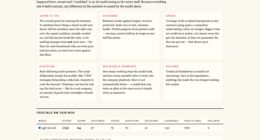
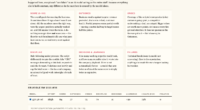
The comparison everyone is quoting — Fable 66, Astra 61, “not a rounding error” — is built on numbers that were stale when written, measuring a quantity that no longer means what it used to, aggregated in a way that hides the reversals that matter. The benchmark isn’t broken. The way it’s being read is.
Three things happened at once: the Index was revised (five became two), the architecture changed (tokens stopped being compute), and the aggregate did what aggregates do (6–1 became +2). A leaderboard position now tells you less than it ever has — and the more advanced the architecture, the less it tells you. Latent reasoning is only the first architecture to break the token proxy. So with your Astra access: ignore the Index number. Take your ten real tasks. Run both models at the effort setting you’ll actually pay for. Measure the bill including the cache line. Measure the failure rate — the 41-point hallucination drop is the one number here I’d bet money on. The benchmark can’t decide for you anymore.
Implications for AI Performance and Metrics Reliability
This development underscores the importance of precise and context-aware benchmarking in AI. Relying on static scores from outdated index versions can lead to misleading narratives about model superiority. The architectural differences between models like Astra and Fable further complicate direct comparisons, as token counts no longer reliably measure compute or intelligence. For readers, this means that claims about model performance and economics need to be interpreted with caution, considering the specific metrics and evaluation methods used.
As an affiliate, we earn on qualifying purchases.
Revisions and Architectural Shifts in AI Benchmarking
The Artificial Analysis Intelligence Index has undergone multiple updates to better reflect the evolving landscape of AI model capabilities. The latest version, 4.2, introduced new evaluation components and removed some older measures, which caused all previous scores to shift. Additionally, Astra’s architecture, which involves reasoning in latent space through loops, differs significantly from traditional token-based models like Fable. This architectural shift means that token efficiency metrics, which were once a reliable proxy for compute, are now less meaningful for Astra.
Historically, benchmarks like the AI Index served as key indicators for AI performance, but their dynamic nature and architectural complexities demand careful interpretation. The initial narrative that Astra “attacks the economics” of intelligence was based on earlier, now outdated, scores. The recent recalibration shows a more nuanced picture, where Astra excels in coding tasks but is less efficient in general intelligence metrics.
“The five-point difference was based on an earlier index version that has since been updated, and the scores are now much closer. Relying on static numbers from outdated benchmarks can be misleading.”
— Thorsten Meyer
As an affiliate, we earn on qualifying purchases.
Remaining Questions About Benchmark Validity
It remains unclear how architectural differences, like Astra’s latent reasoning, should be integrated into standard benchmarks. The true computational cost of Astra’s looping architecture is not visible in token counts or pricing, making direct comparisons challenging. Additionally, the impact of ongoing index revisions on other models and metrics is still uncertain, raising questions about the stability and reliability of current benchmarking standards.
As an affiliate, we earn on qualifying purchases.
Future Directions for Benchmarking and Model Evaluation
Expect further updates to the Artificial Analysis Intelligence Index as evaluators refine how architectural differences are incorporated. Researchers and industry analysts will likely seek more architecture-aware metrics that accurately reflect computational costs and reasoning capabilities. Model developers may also adjust their claims based on these evolving benchmarks, emphasizing specific strengths rather than broad performance scores. The ongoing debate underscores the need for transparent, multi-faceted evaluation frameworks in AI.
As an affiliate, we earn on qualifying purchases.
Key Questions
Why did the Astra vs Fable benchmark score change?
The score change resulted from updates to the Artificial Analysis Intelligence Index, which revised evaluation metrics and dropped some measures, causing all previous scores to shift and reducing the initial five-point gap to two.
Does Astra outperform Fable in general intelligence?
Based on the latest data, Astra is not definitively more efficient in general intelligence per dollar than Fable. It performs better in coding tasks but is less cost-effective overall in broader intelligence measures.
What architectural factors affect the benchmarking results?
Astra’s architecture involves reasoning in latent space with looping mechanisms, meaning token-based metrics no longer fully capture its computational effort. This complicates direct comparisons with models like Fable that rely on tokenized reasoning.
Are current benchmarks reliable for comparing AI models?
Current benchmarks are evolving and may not fully account for architectural differences, making it necessary to interpret scores with caution and consider multiple evaluation metrics.
What should we expect next in AI benchmarking?
Future benchmarks will likely incorporate architecture-aware metrics and more dynamic evaluation frameworks to better reflect true model performance and efficiency.
Source: ThorstenMeyerAI.com