To keep your NFTs safe from scams, always secure your private keys and seed phrases offline, and never share them with anyone. Enable two-factor authentication on your accounts and use a reputable hardware wallet to store your assets securely. Be cautious of phishing emails and fake websites, always verifying URLs before entering sensitive info. Regularly update your security software and stay alert to emerging threats to better protect your digital collectibles. Keep going to discover more effective security tips.
Key Takeaways
- Always enable two-factor authentication (2FA) on your accounts to prevent unauthorized access.
- Store private keys and seed phrases offline in secure, physical locations; never share them online.
- Beware of phishing scams; verify website URLs and never disclose private information via email or messages.
- Use hardware wallets for offline storage of private keys and keep firmware and security software updated.
- Maintain strong, unique passwords and stay vigilant against emerging scams and security threats.

Are you confident that your NFTs are secure? If not, you’re not alone. As digital collectibles grow in popularity, so do the risks of NFT theft and phishing scams. Cybercriminals are constantly devising new ways to steal your valuable assets, making it essential for you to stay vigilant and proactive. Protecting your digital collection isn’t just about having the right wallet; it’s about understanding common threats and implementing effective safeguards.
NFT theft often occurs when hackers find vulnerabilities in your security practices. For example, if you fail to enable two-factor authentication (2FA) or use weak passwords, you leave the door wide open for attackers. They may exploit security gaps in your wallet or exchange accounts to transfer NFTs without your permission. Once stolen, these assets are almost impossible to recover, especially since blockchain transactions are irreversible. That’s why securing your private keys and seed phrases should be your top priority. Never share these details, and store them securely offline, preferably in a physical location away from digital devices.
Secure your NFTs by enabling 2FA, using strong passwords, and safeguarding your private keys offline.
Phishing scams are another widespread threat. Cybercriminals use convincing fake websites, emails, or social media messages that impersonate legitimate platforms or brands. They lure you into entering your private keys, seed phrases, or login credentials, which they then exploit to access your accounts. These scams are often sophisticated, making it easy to fall victim if you’re not cautious. Always verify the URL before entering sensitive information, and be wary of unsolicited messages asking for your personal data. Remember, reputable platforms will never ask you to share your private keys or seed phrases via email or messaging apps.
To further safeguard your NFTs, consider using hardware wallets for storing your assets. Hardware wallets keep your private keys offline, rendering them inaccessible to online threats. Regularly update your wallet’s firmware and security software, and stay informed about the latest scams and security practices. Be cautious when clicking links or downloading attachments, especially if they seem suspicious or come from unknown sources. Also, avoid connecting your wallet to untrusted or unofficial sites, as this can lead to malware infections or unauthorized access.
Ultimately, maintaining NFT security requires ongoing diligence. Stay educated about emerging scams, use strong, unique passwords, and enable security features offered by your wallet or exchange. Building a comprehensive backup plan and ensuring that your digital assets are stored safely can significantly reduce your vulnerability. By being cautious and proactive, you considerably reduce your vulnerability to theft and scams. Protecting your digital assets isn’t just about technology; it’s about adopting a security mindset that keeps your valuable collectibles safe from those who seek to steal them.
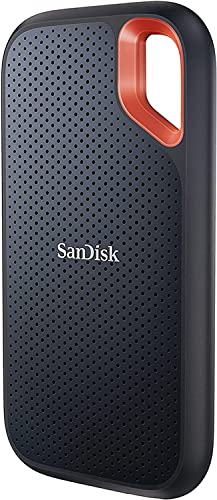
SANDISK 1TB Extreme Portable SSD (Old Model) - Up to 1050MB/s, USB-C, USB 3.2 Gen 2, IP65 Water and Dust Resistance, Updated Firmware - External Solid State Drive - SDSSDE61-1T00-G25
Get NVMe solid state performance with up to 1050MB/s read and 1000MB/s write speeds in a portable, high-capacity...
As an affiliate, we earn on qualifying purchases.
Frequently Asked Questions
How Can I Verify the Authenticity of an NFT Before Purchase?
To verify an NFT’s authenticity before buying, check its NFT valuation on trusted platforms and confirm the creator’s credibility by researching the artist’s history and social presence. Look for verified accounts and official links. Use blockchain explorers to trace ownership history and make sure it’s genuine. Doing this helps you avoid scams, ensuring your digital collectible is authentic and worth your investment.
What Are the Signs of a Potential NFT Scam?
You should watch out for phishing schemes and fake listings, which are common signs of potential NFT scams. If a deal seems too good to be true or if you receive suspicious links, be cautious. Always verify the seller’s profile, check for authenticity badges, and avoid sharing your private keys. Trust your instincts—if something feels off, it’s best to double-check before making any purchase.
How Do I Recover a Lost or Stolen NFT?
Lost or stolen NFT? Don’t panic—your digital asset recovery options are still alive. First, verify your NFT ownership through blockchain records; this proves your claim. Contact the platform or marketplace where you bought it, providing proof of purchase. Sometimes, blockchain explorers can help trace your NFT’s current location. If all else fails, seek help from community forums or legal channels. Remember, your digital treasure’s just a few steps away from recovery!
Are There Specific Security Tools Recommended for NFT Storage?
For secure storage, you should use hardware wallets, which offer offline protection against hacks and scams. These devices keep your NFTs safe by storing private keys securely and away from internet threats. Always choose reputable brands like Ledger or Trezor, and enable additional security features like two-factor authentication. This way, you can confidently manage your digital collectibles knowing they’re stored in a highly secure, offline environment.
Can I Transfer NFTS Securely Between Different Blockchain Platforms?
Think of transferring NFTs across blockchains like crossing a busy bridge. You can do it securely by using trusted cross chain bridges designed for this purpose. Just guarantee your wallet is compatible with both platforms, like having the right passport for each country. Double-check the bridge’s security features, and follow best practices to avoid scams. This way, your digital collectibles stay safe as you move them between different blockchain platforms.

TP-Link TL-SG1428PE 24 Port Gigabit PoE+ Switch - Easy Smart Managed, 24 PoE+ Ports @250W, 2 SFP Slots, Auto Recovery, QoS, VLAN, IGMP, LAG
𝐅𝐥𝐞𝐱𝐢𝐛𝐥𝐞 𝐅𝐮𝐥𝐥 𝐆𝐢𝐠𝐚𝐛𝐢𝐭 𝟐𝟖-𝐏𝐨𝐫𝐭 𝐏𝐨𝐄 𝐂𝐨𝐧𝐟𝐢𝐠𝐮𝐫𝐚𝐭𝐢𝐨𝐧: 24 x PoEplus (802.3at/af) 10/100/1000 Mbps RJ45 ports providing up to 30W...
As an affiliate, we earn on qualifying purchases.
Conclusion
While your NFTs can bring valuable digital assets and exciting opportunities, they also pose risks that demand vigilance. Without proper security measures, your digital collectibles are as vulnerable as physical valuables left unguarded. Protecting your NFTs isn’t just about avoiding scams; it’s about safeguarding your digital future. Stay alert and proactive—because in this digital landscape, the greatest threat can come from complacency, making awareness your strongest shield against loss.
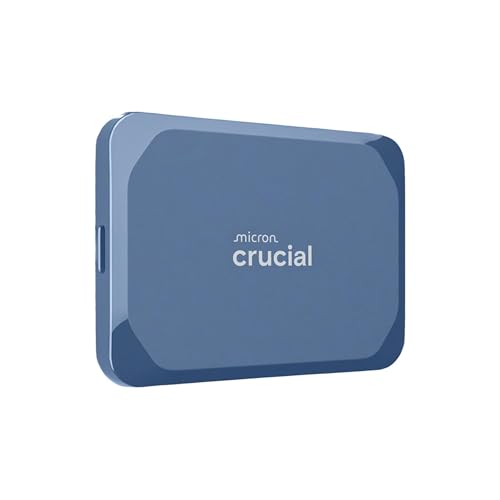
Crucial X10 4TB Portable SSD, Up to 2,100MB/s, USB 3.2 USB-C, External Solid State Drive, Compatible with Windows, Mac & Android, Durable Storage for Games, Photos & Files, Blue - CT4000X10SSD9-02
Ultra-fast Speeds: Designed for creators, students and PC gamers, this matte blue external SSD delivers fast data access...
As an affiliate, we earn on qualifying purchases.

PUPGSIS Gaming Audio Mixer, Audio Interface for PC/Podcast/Streaming, Sound Board with 3.5mm/XLR Mic Input, 48V Phantom Power, Voice Changer, Live Sound Card with DJ Mixer Effects/Bluetooth/4 Channel
Power Up Your Voice: Equipped with a professional preamplifier and 48V phantom power, the audio mixer works perfectly...
As an affiliate, we earn on qualifying purchases.