
TL;DR
Memory prices are increasing at a slower rate, driven by buyer exhaustion rather than supply improvements. The AI hardware market shows signs of a slowdown, but supply remains tight. The industry faces ongoing financial and capacity challenges.
Memory prices are slowing their rise in the AI hardware industry, not because of supply easing, but due to buyers reaching their spending limits. This development signals a potential cooling of the market, but supply constraints remain tight, and the industry’s fundamental capacity issues persist.
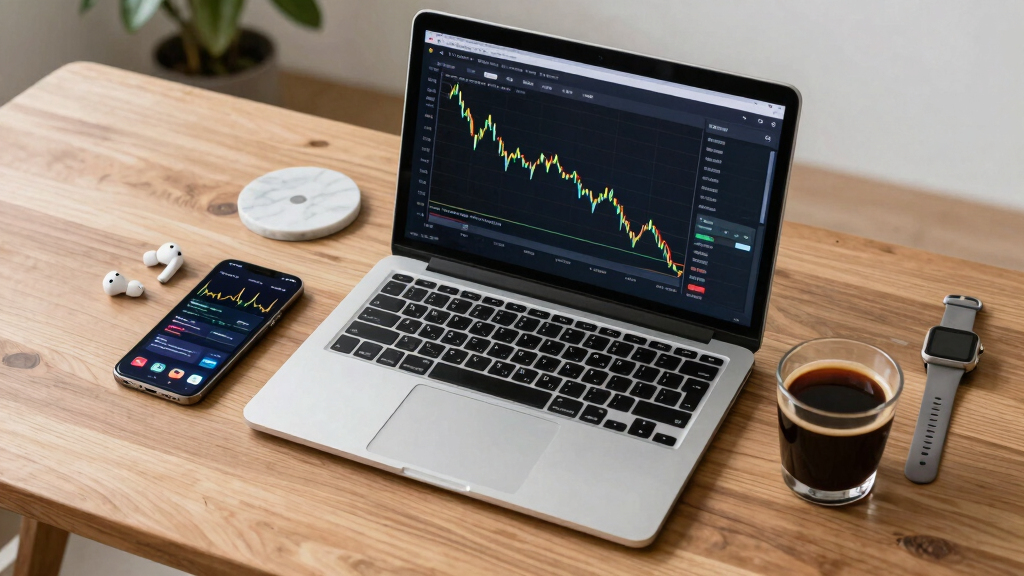
Recent data from TrendForce’s July 2026 survey shows conventional DRAM contract prices rising by only 13–18% quarter-over-quarter for Q3, down from approximately 60% increases in Q2. NAND prices also increased by 10–15% in the same period. Experts attribute this moderation to consumer electronics manufacturers reaching the limits of their purchasing power after months of relentless price hikes, leading to demand destruction rather than supply recovery.
Despite the slower price increases, supply remains constrained. The industry’s focus on high-bandwidth memory (HBM) for AI accelerators has driven a significant reallocation of wafer capacity. Companies like Samsung, SK Hynix, and Micron have prioritized HBM, which is now sold out through 2026. SK Hynix booked its entire 2026 capacity by October 2025, and Micron reports similar commitments.
This shift has caused record price surges for PC DRAM in early 2026, with contract prices rising over 100% quarter-over-quarter in Q1 and DDR5 chip prices quadrupling in a single quarter. NAND prices climbed 246% through 2025, with ongoing weekly spikes. Industry analysts warn that further monthly increases of 10–20% are possible through the end of the year, based on vendor guidance, but declines are not expected soon.
Implications of Price Moderation in Memory Markets
The slowdown in memory price increases does not indicate an industry recovery but reflects buyer fatigue amid ongoing supply constraints. For hardware builders and enterprises, this means cost pressures remain high, and waiting for prices to fall significantly may be unwise. The persistent tight capacity, especially for high-bandwidth memory, suggests that costs for AI infrastructure and high-performance computing will stay elevated through at least 2027.
This trend impacts hardware procurement strategies, emphasizing the importance of early purchasing and contracting to lock in current prices, as well as considering architectures that reduce memory needs.
High bandwidth memory (HBM) for AI accelerators
As an affiliate, we earn on qualifying purchases.
As an affiliate, we earn on qualifying purchases.
Memory Price Trends and Industry Capacity Shifts
Over the past year, the industry experienced unprecedented price surges driven by a massive reallocation of wafer capacity toward high-bandwidth memory (HBM) for AI accelerators. This shift has reduced supply of conventional DRAM, causing prices to spike sharply. Despite recent signs of moderation, the underlying capacity constraints remain, with key manufacturers like Samsung, SK Hynix, and Micron having booked nearly all their capacity for 2026.
Historically, the memory industry has experienced price cycles, but current conditions are characterized by a permanent reallocation rather than a typical cyclical downturn. Industry analysts, including IDC, suggest relief may not occur before late 2027, when new fabs begin production, and the peak price increases are believed to have already occurred around mid-2026.
Meanwhile, the industry’s profit margins remain high, with allegations of past price-fixing and current supply shortages fueling skepticism about claims of a true shortage easing. The focus is on the ongoing structural shift rather than a short-term cycle.
“Supply remains tight, and capacity has been permanently reallocated toward high-bandwidth memory for AI.”
— Industry expert
DDR5 RAM for high-performance computing
As an affiliate, we earn on qualifying purchases.
As an affiliate, we earn on qualifying purchases.
Unclear Duration of Market Conditions
It remains uncertain how long the current demand exhaustion will persist and whether supply constraints will ease in the near future. Industry analysts suggest relief may not come before late 2027, but actual capacity expansion timelines and market responses could alter this outlook.
As an affiliate, we earn on qualifying purchases.
Upcoming Capacity Expansions and Market Monitoring
The industry will closely watch new fab startups, particularly Micron’s Idaho facilities, expected to begin production in late 2027. Buyers should prepare for sustained high costs and consider strategic purchasing within the next two quarters. Monitoring industry guidance and capacity developments will be critical to understanding when supply might improve.
As an affiliate, we earn on qualifying purchases.
Key Questions
Is the memory price slowdown a sign of market recovery?
No, the slowdown reflects buyer exhaustion and demand destruction, not supply easing. Prices are still high, and supply constraints remain.
When might memory prices start to decline?
Industry analysts estimate that significant relief might not occur before late 2027, once new capacity begins production.
How does this affect AI hardware costs?
High memory costs will persist, increasing overall hardware expenses for AI infrastructure and related applications.
Should I delay hardware purchases?
If hardware is needed within the next two quarters, buying early and contracting prices is advisable, as waiting could lead to higher costs.
Source: ThorstenMeyerAI.com