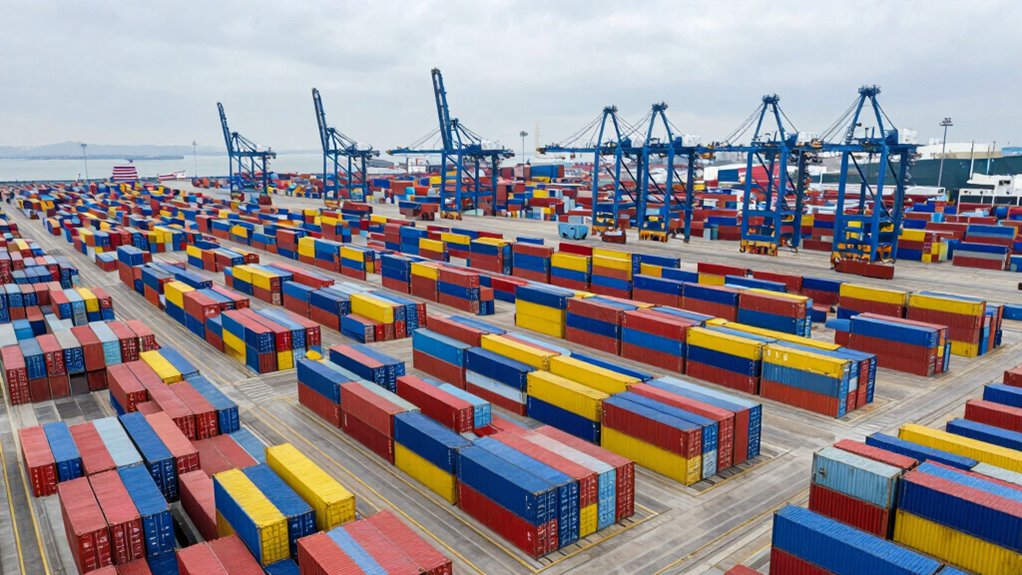

Jurisdiction influences the legal rules and protections that can make or break your trades. It shapes how courts interpret cases, enforces contracts, and handles disputes. Different regions have varying regulatory environments, which can affect your legal protections and transparency. If you’re unaware of jurisdictional differences, you risk facing unexpected legal challenges or unfavorable outcomes. Staying informed about jurisdiction gives you a strategic advantage—if you want to uncover how it can impact your trading success, keep exploring.
Key Takeaways
- Jurisdiction determines applicable legal rules, directly impacting trade outcomes and contractual enforceability.
- Different jurisdictions offer varying levels of legal protections, influencing trader vulnerabilities.
- Jurisdiction affects transparency and access to legal information, essential for informed decision-making.
- Interpretation of laws and regulations varies by region, shaping enforcement and compliance strategies.
- Strategic jurisdiction selection can provide a competitive edge in navigating international legal landscapes.
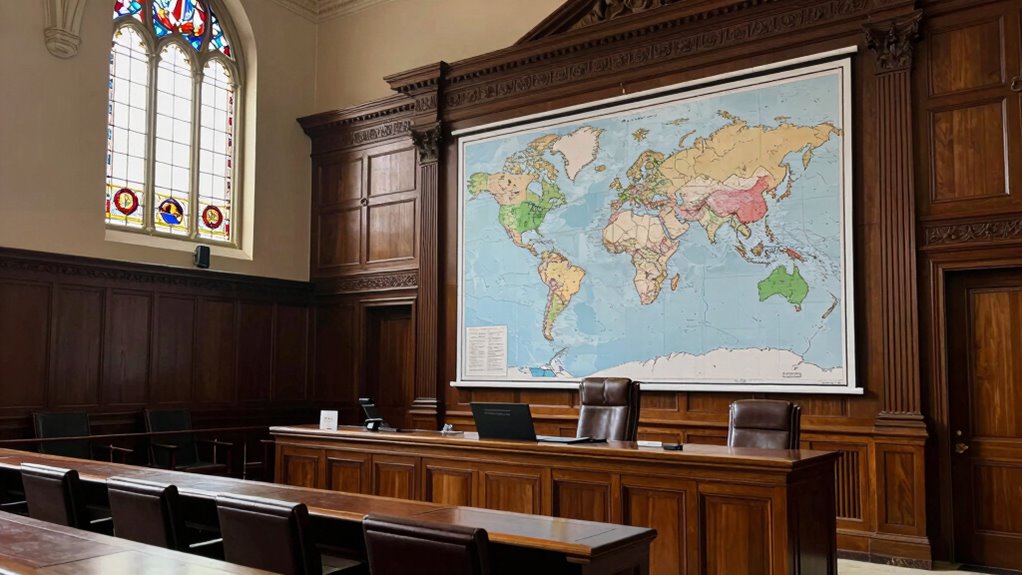
Have you ever wondered why the location of a legal case can make such a difference? It’s because jurisdiction determines the rules that apply to your situation, and those rules can substantially impact your rights, responsibilities, and outcomes. When you’re involved in any legal matter—whether it’s a dispute, contract, or regulatory issue—the jurisdiction you’re in shapes the entire process. One key factor is the regulatory environment, which varies from one jurisdiction to another. Some regions have strict regulations protecting consumers and investors, while others lean toward business-friendly policies that favor corporations. Knowing where your case falls can mean the difference between a legal landscape that favors your position or one that hampers your chances of a fair resolution.
Legal protections also hinge heavily on jurisdiction. Certain areas may provide robust safeguards against unfair practices, ensuring you’re shielded from exploitation or discrimination. Conversely, other jurisdictions might have weaker protections, leaving you more vulnerable to legal setbacks or unfavorable rulings. For traders, this distinction is essential. The jurisdiction determines what rules govern your trades, how disputes are settled, and what legal recourse you have if things go wrong. You might think that all laws are the same across borders, but that’s far from true. Variations in jurisdiction can influence everything from the enforceability of contracts to the transparency of regulatory agencies. Understanding regulatory environments can help you better navigate the legal landscape and anticipate potential challenges. Additionally, being aware of legal transparency levels can significantly impact your ability to access pertinent information and make informed decisions.
Understanding jurisdiction also helps you anticipate how courts or regulatory bodies will interpret your case. In some regions, the legal environment encourages aggressive enforcement, which could mean stricter penalties or more meticulous oversight. In others, the focus might be on fostering innovation and flexibility, possibly at the expense of legal protections. If you’re unaware of these differences, you might find yourself at a disadvantage, especially if disputes escalate or if regulatory actions threaten your operations. Recognizing the importance of jurisdictional differences can therefore be crucial in safeguarding your interests and planning strategic responses. Moreover, being informed about the legal systems in different areas can help you adapt your strategies accordingly and avoid unnecessary legal pitfalls. Knowing about international law and how it interacts with local jurisdictions can also be vital for global traders and businesses.
Ultimately, jurisdiction is more than just a geographic label. It defines the legal landscape you operate within, shaping the regulatory environment and the level of legal protections you can expect. For traders and businesses alike, recognizing the importance of jurisdiction isn’t just about knowing where a case is filed—it’s about understanding how that location influences your rights and the potential risks you face. The choice of jurisdiction can determine whether you’re effectively protected or left exposed, which is why it matters more than most people realize. Being strategic about jurisdiction can give you a vital edge in navigating the complex world of law and regulation.

AI Contract Review & Redlining: Clause Risk Detection, Negotiation Playbooks, and AI-Assisted Redlines for Faster, Safer Deal Cycles
As an affiliate, we earn on qualifying purchases.
As an affiliate, we earn on qualifying purchases.
Frequently Asked Questions
How Do Jurisdictions Differ in Trading Regulations?
Different jurisdictions have varying trading regulations that directly impact your trading experience. You’ll find differences in regulatory transparency, which affects how much protection and information you receive. Tax implications also vary; some regions impose higher taxes on trading gains, while others offer more favorable conditions. Understanding these differences helps you navigate compliance, optimize profits, and avoid legal issues, making jurisdiction a vital factor for your trading strategy.
Can Jurisdiction Impact Trading Costs Significantly?
Yes, jurisdiction can profoundly impact your trading costs, acting like a double-edged sword. Tax implications vary widely, affecting your net gains, while market access depends on local regulations. Some jurisdictions offer lower taxes or fewer restrictions, reducing costs, while others impose hefty fees or limited trading options. You need to understand how your chosen jurisdiction’s policies directly influence your expenses and opportunities, ultimately shaping your trading success.
What Legal Protections Are Available in Different Jurisdictions?
In different jurisdictions, you’re protected by varying legal frameworks, including tax implications and licensing requirements. Some regions offer stricter regulations, ensuring your rights are protected and reducing fraud risks. Others may have lenient licensing rules, which could expose you to higher risks. Understanding these differences helps you navigate legal protections effectively, ensuring compliance and safeguarding your investments. Always research local laws before trading to avoid surprises and protect your interests.
How Does Jurisdiction Influence Dispute Resolution?
You might find it surprising, but jurisdiction directly shapes dispute resolution by dictating the legal frameworks and processes involved. When conflicts arise, the chosen jurisdiction influences how disputes are settled, whether through courts or arbitration. It also affects regulatory enforcement, making it essential to understand where your transactions are governed. Your ability to resolve issues efficiently hinges on knowing which legal system applies, ensuring your rights are protected and enforcement is enforceable.
Are Certain Jurisdictions More Favorable for Traders?
Yes, certain jurisdictions are more favorable for traders because they offer tax advantages and better market access. You benefit from lower taxes, which can boost your profitability, and gain easier access to diverse markets, expanding your trading opportunities. Choosing a jurisdiction with favorable regulations and incentives can substantially enhance your trading success, making it essential to take these factors into account when selecting where to operate.

J. J. Keller OSHA Compliance for General Industry Manual
- Comprehensive Safety Topics: Covers key workplace safety areas
- Helpful Extras: Includes FAQs, safety plans, and checklists
- EZExplanations and Guidance: Summaries and step-by-step OSHA compliance
As an affiliate, we earn on qualifying purchases.
As an affiliate, we earn on qualifying purchases.
Conclusion
So, next time you’re choosing where to trade, ask yourself: does the jurisdiction really matter? It’s not just about the platform’s features or fees—legal protections, dispute resolution, and regulatory oversight can make or break your trading experience. Ignoring jurisdiction risks exposing yourself to unfair practices or legal headaches down the line. Isn’t it smarter to prioritize a reliable, well-regulated environment? After all, your investments deserve the best legal shield you can find.
![Dispute Resolution: Beyond the Adversarial Model [Connected eBook] (Aspen Casebook Series)](https://m.media-amazon.com/images/I/41EQlGGxMeL._SL500_.jpg)
Dispute Resolution: Beyond the Adversarial Model [Connected eBook] (Aspen Casebook Series)
- Updated Dispute Resolution Insights: Online Dispute Resolution & System Design Evolution
- Recent Supreme Court Arbitration Rulings: Latest Court Decisions & Empirical Studies
- Real-World Problem Applications: Class Discussion and Practical Examples
As an affiliate, we earn on qualifying purchases.
As an affiliate, we earn on qualifying purchases.

Evidence Law Guide Guide – Legal Studies Quick Reference Guide by Permacharts
- Quick reference learning guide: Concise evidence law overview
- Detailed evidentiary law practice: In-depth legal procedures
- U.S. legal system evidence primer: American evidence law basics
As an affiliate, we earn on qualifying purchases.
As an affiliate, we earn on qualifying purchases.