
If you use a CEX, your private keys are stored on the platform’s servers, meaning the exchange manages your assets’ security and custody. With a DEX, your private keys stay in your wallet until you execute a trade, giving you full control. This self-custody reduces hacking risks but increases responsibility. To understand how custody impacts your security, privacy, and liquidity, keep exploring these differences further.
Key Takeaways
- CEX private keys are stored on the exchange’s centralized servers, managed by the platform operator.
- DEX private keys remain in users’ personal wallets until a trade is executed.
- On CEXs, the exchange holds custody of user funds and private keys.
- DEXs enable users to retain full control of their private keys and assets.
- Private key security depends on whether it’s stored centrally (CEX) or personally (DEX).

When choosing a platform to store your cryptocurrencies, understanding the differences between centralized exchanges (CEXs) and decentralized exchanges (DEXs) is vital. Your decision impacts not only how your assets are secured but also how regulatory compliance and liquidity management are handled. CEXs are operated by a company that controls the platform, meaning your private keys are stored on their servers. This arrangement simplifies access and trading but raises questions about custody and security. Since they are regulated entities, CEXs are often required to adhere to strict compliance standards, including KYC (Know Your Customer) and AML (Anti-Money Laundering) policies. This compliance can provide a sense of safety for users, but it also means trusting the platform with your private keys, which are stored and managed by the exchange. On the flip side, liquidity management on CEXs tends to be more seamless. These platforms usually have high trading volumes, allowing for quick transactions and better price discovery. Their centralized nature makes it easier for them to maintain liquidity pools, ensuring that you can buy or sell assets without significant slippage or delays. Additionally, the security of private keys in a controlled environment is a key factor for many users.
In contrast, DEXs operate on blockchain protocols without a central authority, meaning you retain control of your private keys at all times. When you trade on a DEX, you’re typically interacting directly with smart contracts, and your funds remain in your own wallet until a trade is executed. This setup enhances security because you’re not relying on a third party to safeguard your keys, reducing risks associated with hacking or platform insolvency. However, since DEXs are less regulated, they often lack the same level of regulatory compliance, which can impact user protections. Liquidity management on DEXs can be more challenging; they rely on liquidity pools provided by users, which may result in lower liquidity compared to CEXs. This can lead to higher slippage and less favorable prices, especially for less-traded assets. Nonetheless, DEXs are gaining ground due to their transparency and control, appealing to users who prioritize self-custody and privacy. Understanding the importance of projected security and how private keys are managed is essential in making an informed choice.
Ultimately, your choice depends on your priorities: if you value ease of access, high liquidity, and regulatory oversight, a CEX might suit you better. If you prefer control over your private keys, greater privacy, and fewer regulations, a DEX could be more appealing. Understanding where your private keys are stored—and how that impacts security, compliance, and liquidity—is vital in making an informed decision about your cryptocurrency custody strategy.

Bitkey Bitcoin Hardware Wallet - Secure Wallet for Self Custody, No Seed Phrase, 2-of-3 Multisig Security, NFC Device, iOS and Android Compatible
- Self Custody Bitcoin Wallet: Secure full control of your bitcoin
- No Seed Phrase Needed: Reduces risk of loss or theft
- Multisig Security Architecture: Requires 2-of-3 approvals for transactions
As an affiliate, we earn on qualifying purchases.
Frequently Asked Questions
How Do CEX and DEX Custody Differ in Security Measures?
When comparing CEX and DEX custody, you’ll find security measures differ markedly. CEXs often use robust encryption protocols and strict access controls to protect your funds, but they hold your private keys, which can create a central point of failure. DEXs, on the other hand, allow you to retain control of your private keys, reducing risks. Still, both platforms implement encryption and access controls to safeguard user assets effectively.
Can Users Transfer Private Keys Between CEX and DEX Platforms?
You can’t directly transfer private keys between CEX and DEX platforms because of custody compatibility issues. Each platform manages keys differently—CEXs typically hold your keys in their custody, while DEXs often give you control. Attempting a key transfer isn’t possible, as it’s not supported by their architecture. Instead, you’d need to manually move your assets via wallet transfers, ensuring your private keys stay under your control throughout the process.
What Legal Protections Exist for Private Keys Stored on CEXS and DEXS?
Legal protections for private keys stored on CEXs and DEXs depend on applicable legal frameworks and regulatory oversight. You’re protected by laws that govern digital assets, though protections vary by jurisdiction. CEXs often have stricter regulations, offering more safeguards, while DEXs operate with less oversight, meaning your keys might have fewer legal protections. Always review the platform’s compliance and the relevant legal environment to understand your rights.
Are There Any Risks Associated With Centralized Custody of Private Keys?
When private keys are stored centrally, you face significant centralized risks and custody concerns. If the platform experiences a security breach or insolvency, your assets could be compromised or lost. You don’t have control over the private key, making you vulnerable to hacking, mismanagement, or regulatory actions. These risks highlight why understanding custody concerns is essential, and why some prefer decentralized solutions that give you direct control over your private keys.
How Do Private Key Storage Practices Impact User Privacy?
Your private key storage practices directly impact your privacy. When you use strong encryption protocols, you keep your key secure, reducing the risk of breaches. If your keys are stored securely, your user anonymity remains intact, protecting you from potential tracking or surveillance. Conversely, weak storage methods can expose your private information, compromising your privacy. Always prioritize secure, encrypted storage to safeguard your identity and maintain anonymity.
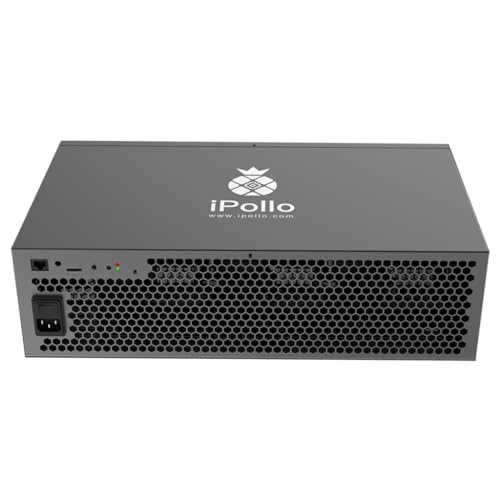
New iPollo V2H Hydro Miner 3400MH/s 475W ETC Ethereum Classic ETHW ETHF ZIL Octa with HYD Water Cooling Super with Original PSU and Cord Quiet Home Mining by OEMGMINER (iPollo V2H 3400M)
- High Hash Rate: 3400MH/s for efficient mining
- Low Power Consumption: 475W for energy savings
- Supports Multiple Cryptos: ETC, ETHW, ETHF, ZIL, and more
As an affiliate, we earn on qualifying purchases.
Conclusion
Ultimately, understanding where your private key is stored is essential for security. With a CEX, your private key is held by the exchange, meaning you rely on their security measures. In contrast, a DEX puts the control directly in your hands, keeping your private key private and decentralized. Know where your assets are stored and choose the option that best aligns with your security preferences and control needs. Stay informed and protect your crypto holdings.

Mining Rig Frame for 12GPU, Steel Open Air Miner Mining Frame Rig Case, Support to Dual Power Supply for Crypto Coin Currency Bitcoin ETH ETC ZEC Mining Tools - Frame Only, Fans & GPU is not Included
- GPU Slots: Supports 6, 8, or 12 GPUs
- Power Support: Supports dual ATX power supplies
- Material: Made of durable stainless steel
As an affiliate, we earn on qualifying purchases.