
Multi-party computation (MPC) wallets let you control digital assets securely without sacrificing convenience. They split your private key into multiple shares, ensuring no single party has full control. This setup protects assets from theft or loss while enabling collaborative signing—ideal for teams or businesses. With decentralized security and configurable thresholds, MPC wallets offer high protection without complex management. To discover how this innovative approach enhances your security, explore the details further.
Key Takeaways
- MPC wallets distribute control across multiple parties, ensuring high security without relying on a single private key.
- Collaborative signing allows secure transaction authorization without exposing sensitive data or full private keys.
- They eliminate single points of failure, reducing the risk of theft or unauthorized access through decentralized security measures.
- MPC wallets offer flexible threshold configurations, balancing security and operational efficiency for organizations.
- Advanced features like real-time interactions and high refresh rates enhance security while maintaining user convenience.

Have you ever wondered how to enhance the security of your digital assets? Multi-Party Computation (MPC) wallets offer a groundbreaking solution that balances robust security with ease of use. Unlike traditional wallets that rely on a single private key, MPC wallets distribute the control of your assets across multiple parties or devices. This setup employs threshold security, meaning that only a predefined number of participants need to collaborate to authorize a transaction. For example, even if one device is compromised, your assets remain protected because an attacker would still need to breach multiple secure points. This approach *considerably* reduces the risk of theft or accidental loss, providing peace of mind without sacrificing convenience.
Multi-Party Computation wallets enhance security by distributing control across multiple devices, reducing risk and improving asset protection.
One of the core strengths of MPC wallets is their use of collaborative signing. Instead of a single private key signing off on a transaction, multiple parties contribute their secret shares to generate a valid signature. This process ensures that no single entity has full control or knowledge of the complete private key, minimizing the attack surface. When you initiate a transaction, each participant’s device or key fragment works together in a secure, encrypted environment to produce a collective signature. This collaborative signing process not only enhances security but also simplifies key management, especially in organizations or group settings where multiple approvals are necessary. It enables seamless coordination without exposing sensitive data, making multi-party control both practical and safe.
MPC wallets are designed to operate in a decentralized manner, aligning well with the core principles of blockchain technology. They eliminate the single point of failure inherent in traditional private key setups. Instead of storing your private key in one location, your assets are protected by a network of secure shares. This makes it *notably* difficult for hackers to compromise your holdings, as they would need to infiltrate multiple secure environments simultaneously. *Furthermore*, MPC technology allows for flexible threshold configurations; you can set it so that, for example, 2 out of 3, or 3 out of 5, signatures are required to authorize a transaction. This adaptability is perfect for businesses or teams that need to balance security with operational efficiency.
In essence, MPC wallets empower you to safeguard your digital assets with a level of security that doesn’t hinder usability. By leveraging threshold security and collaborative signing, these wallets provide a resilient defense against theft and unauthorized access. You no longer have to choose between convenience and security — with MPC, you get both. This innovative approach is transforming how we think about digital asset management, making security more accessible, scalable, and reliable. Incorporating high refresh rates and other advanced features can further optimize your experience, especially for real-time interactions.

Bitkey Bitcoin Hardware Wallet - Secure Wallet for Self Custody, No Seed Phrase, 2-of-3 Multisig Security, NFC Device, iOS and Android Compatible
- Self Custody Bitcoin Wallet: Secure full control of your bitcoin
- No Seed Phrase Needed: Reduces risk of loss or theft
- Multisig Security Architecture: Requires 2-of-3 approvals for transactions
As an affiliate, we earn on qualifying purchases.
Frequently Asked Questions
How Does MPC Compare to Hardware Wallets in Security?
When comparing MPC wallets to hardware wallets, you find that MPC uses advanced cryptographic protocols to split your keys, improving key management and reducing single points of failure. Unlike hardware wallets, which store keys offline, MPC wallets distribute key parts across multiple devices, enhancing security without sacrificing convenience. You benefit from robust protection against hacking, as the cryptographic protocols make unauthorized access extremely difficult.
Can MPC Wallets Prevent Insider Threats Effectively?
You might wonder if MPC wallets can effectively prevent insider threats. They do so by dividing key operations among multiple parties, ensuring insider compliance and reducing the risk of a single person compromising security. This threat mitigation approach makes it harder for insiders to access or misuse funds. Overall, MPC wallets provide a stronger defense against insider threats compared to traditional methods, enhancing your security without sacrificing usability.
What Are the Costs Associated With Implementing MPC Wallets?
When considering implementing MPC wallets, you should do a thorough cost analysis to understand the expenses involved. These include infrastructure setup, ongoing maintenance, and potential scalability challenges as your user base grows. While MPC wallets enhance security, they often require more complex technology and expertise, which can increase costs. Be prepared for these factors to make certain your investment aligns with your security needs and growth plans.
How User-Friendly Are MPC Wallets for Non-Technical Users?
You might find MPC wallets quite user-friendly, especially with streamlined user onboarding processes. Their interface design is often intuitive, making it easier for non-technical users to navigate. Developers focus on simplifying complex security features, so you won’t need deep technical knowledge to manage your wallet. Overall, MPC wallets aim to balance security and ease of use, helping you securely handle your assets without feeling overwhelmed.
Are MPC Wallets Compatible With Existing Blockchain Platforms?
You might wonder if MPC wallets work seamlessly with existing blockchain platforms. While they generally aim for compatibility, interoperability challenges can arise due to differing protocols. Additionally, regulatory considerations might influence integration, requiring extra compliance measures. Despite these hurdles, many MPC wallets are designed to be adaptable, but you’ll need to stay informed about platform-specific requirements and potential legal implications to guarantee smooth operation across various blockchains.
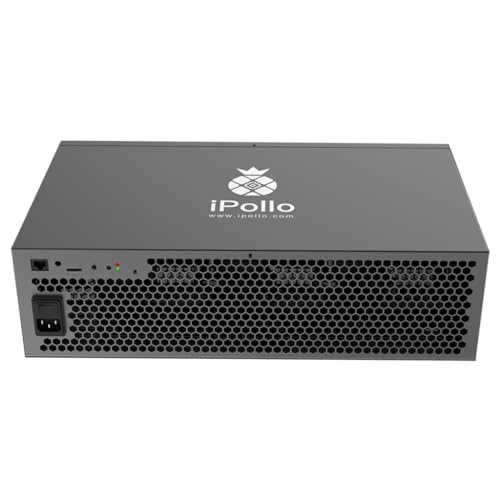
New iPollo V2H Hydro Miner 3400MH/s 475W ETC Ethereum Classic ETHW ETHF ZIL Octa with HYD Water Cooling Super with Original PSU and Cord Quiet Home Mining by OEMGMINER (iPollo V2H 3400M)
- High Hash Rate: 3400MH/s for efficient mining
- Low Power Consumption: 475W for energy savings
- Supports Multiple Cryptos: ETC, ETHW, ETHF, ZIL, and more
As an affiliate, we earn on qualifying purchases.
Conclusion
With multi-party computation wallets, you get enhanced security without sacrificing convenience. By distributing control among multiple parties, you reduce the risk of hacks and unauthorized access. This innovative approach allows you to securely manage your assets while maintaining ease of use. As you adopt MPC wallets, you’ll enjoy peace of mind knowing your funds are protected by cutting-edge technology that doesn’t compromise on usability or security. It’s the future of safe, decentralized asset management.

Mining Rig Frame for 12GPU, Steel Open Air Miner Mining Frame Rig Case, Support to Dual Power Supply for Crypto Coin Currency Bitcoin ETH ETC ZEC Mining Tools - Frame Only, Fans & GPU is not Included
- GPU Slots: Supports 6, 8, or 12 GPUs
- Power Support: Supports dual ATX power supplies
- Material: Made of durable stainless steel
As an affiliate, we earn on qualifying purchases.

PR-285083 Battery Compatible for for Kobo Glo HD,Clara HD,Aura Edition 2
- Device Compatibility Check: Ensure model matches before purchase
- Long Battery Life: High capacity for extended use
- Enhanced Safety Features: Overcharge, overdischarge, short-circuit protection
As an affiliate, we earn on qualifying purchases.