

After Ethereum’s shift to proof-of-stake with the Merge, its tokenomics shifted from mining-based incentives to stake-based rewards, making the network more energy-efficient and secure. Validator rewards now depend on network activity and staked ETH, encouraging long-term holding. This change reduces reliance on hardware and lowers issuance rates, fostering a more stable and sustainable ecosystem. If you want to explore how these shifts impact ETH’s long-term value, there’s more to uncover.
Key Takeaways
- Post-Merge, ETH issuance decreased significantly, making supply growth more predictable and aligning with ultrasounding money principles.
- Staking rewards now incentivize long-term ETH holding, reducing reliance on mining and promoting network security through economic stake.
- Ethereum’s tokenomics shifted from energy-intensive mining incentives to a more sustainable, stake-based model emphasizing network stability.
- The reduced miner influence leads to a lower and more stable ETH issuance rate, impacting supply dynamics positively.
- Overall, the transition enhances Ethereum’s value proposition as a deflationary, energy-efficient ecosystem aligned with ultrasound money concepts.
Since the Merge shifted Ethereum from proof-of-work to proof-of-stake, its tokenomics have undergone significant changes that impact both miners and investors. One of the most noticeable effects is the alteration in staking rewards and miner incentives. Under proof-of-work, miners competed to solve complex puzzles, earning rewards based on computational power. Now, with proof-of-stake, validators are chosen based on the amount of ETH they stake, and their rewards depend on the network’s overall activity and security needs.
Staking rewards are now a primary mechanism for earning ETH. When you stake your tokens, you effectively lock them into the network, helping to secure the blockchain. In return, you receive rewards proportional to your staked amount, but these rewards are also influenced by the total staked ETH and the network’s activity. As more participants stake ETH, the annual yield can fluctuate, sometimes decreasing as the staking pool grows. This shift encourages long-term holding, as staking becomes a more sustainable way to earn passive income compared to the competitive, energy-intensive mining process.
Staking ETH offers a sustainable way to earn passive income, with rewards influenced by network participation and activity.
Miner incentives, on the other hand, have largely disappeared from Ethereum’s ecosystem. Miners, who previously invested heavily in hardware and energy to validate transactions, find their role diminished because proof-of-stake doesn’t require physical mining equipment. Instead, validators are chosen based on their staked ETH, which reduces the need for costly infrastructure. This transition aims to make the network more energy-efficient and less centralized around large mining farms. For those who used to profit from mining, this change can feel like a loss of income; however, it also reduces the risk of centralization driven by the high costs of mining hardware and electricity.
From an investor’s perspective, these changes make Ethereum’s tokenomics more predictable and aligned with long-term network health. The shift to staking rewards means your potential earnings now depend on the network’s overall staking participation and transaction volume, rather than the volatile market of mining hardware and electricity prices. Plus, the reduction in miner incentives means less competition for block rewards, potentially leading to a more stable issuance rate of ETH over time. Additionally, the emphasis on high-quality security mechanisms reinforces the network’s resilience and trustworthiness.
Ultimately, this new model emphasizes security through economic incentives rather than hardware competition. As you consider your investment strategies, understanding how staking rewards are distributed and how miner incentives have shifted will help you navigate Ethereum’s evolving landscape. The transition fosters a more sustainable, energy-efficient network, encouraging long-term participation and stability—factors that could influence the value and utility of ETH in the future.

Bitkey Bitcoin Hardware Wallet - Secure Wallet for Self Custody, No Seed Phrase, 2-of-3 Multisig Security, NFC Device, iOS and Android Compatible
- Self Custody Bitcoin Wallet: Secure full control of your bitcoin
- No Seed Phrase Needed: Reduces risk of loss or theft
- Multisig Security Architecture: Requires 2-of-3 approvals for transactions
As an affiliate, we earn on qualifying purchases.
Frequently Asked Questions
How Does the Merge Impact Ethereum’s Inflation Rate Long-Term?
The merge markedly lowers Ethereum’s long-term inflation rate by shifting to Proof of Stake, which reduces issuance. Additionally, the implementation of Token Burn mechanisms decreases supply over time, further controlling inflation. As you hold ETH, you benefit from this sustainable model that aims to make ETH deflationary, promoting value appreciation. This change fosters a more eco-friendly network while maintaining security and long-term economic stability.
What Are the Implications for Ethereum Miners Post-Merge?
After the merge, you’ll find that Ethereum miners face decreased profitability because proof-of-work mining ends, and energy consumption drops considerably. This shift means miners need to adapt to new roles or switch to other networks, impacting their income sources. Lower energy use benefits the environment but also reduces the incentives tied to mining, pushing miners to explore alternative strategies or assets to sustain profitability in a less energy-intensive ecosystem.
Will Ethereum’s Transaction Fees Change After the Merge?
Sure, your transaction fees won’t suddenly skyrocket after the merge, but don’t expect them to vanish either. With the new proof-of-stake system, transaction fee dynamics will shift, likely leading to more stable or even reduced fees over time. Miner revenue trends will change, but users might enjoy a smoother experience. So, while fees may vary, the real story is how the network balances efficiency and affordability.
How Does Ethereum’s Reduced Issuance Affect Network Security?
You should know that reduced issuance can impact network security by lowering staking rewards, which might make validators less incentivized to participate actively. This creates a security trade-off because fewer validators could lead to a less decentralized and secure network. However, the reduced issuance also encourages long-term holding, helping sustain the network’s integrity. Balancing staking rewards and security remains vital as Ethereum evolves post-merge.
What Alternative Tokenomics Models Are Considered for Future Upgrades?
You might explore alternative tokenomics models like staking rewards adjustments or deflationary models for future upgrades. These models aim to balance network security and token scarcity, encouraging participation while reducing supply. By implementing dynamic staking rewards or introducing mechanisms like token burns, you can create a more sustainable and resilient ecosystem, potentially increasing value over time and aligning incentives for developers and users alike.
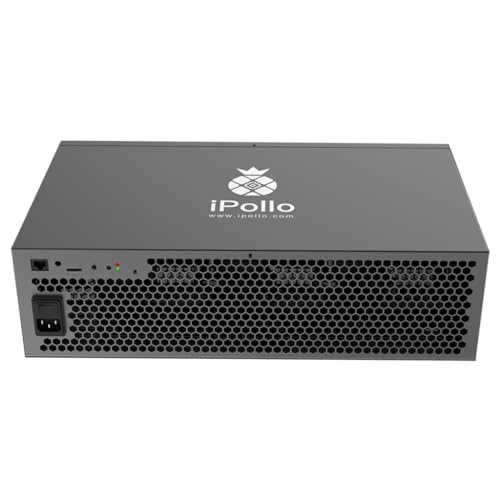
New iPollo V2H Hydro Miner 3400MH/s 475W ETC Ethereum Classic ETHW ETHF ZIL Octa with HYD Water Cooling Super with Original PSU and Cord Quiet Home Mining by OEMGMINER (iPollo V2H 3400M)
- High Hash Rate: 3400MH/s for efficient mining
- Low Power Consumption: 475W for energy savings
- Supports Multiple Cryptos: ETC, ETHW, ETHF, ZIL, and more
As an affiliate, we earn on qualifying purchases.
Conclusion
Now that you’ve explored Ethereum’s post-merge tokenomics, it’s clear that the shift to proof of stake considerably reduces issuance—by around 90%. This change makes Ethereum more sustainable and potentially scarcer, boosting its value. Plus, with over 4 million ETH burned since the merge, you’re witnessing a shift towards “ultrasound money,” where scarcity drives value. Keep an eye on these trends—they could reshape your understanding of crypto’s future.

Mining Rig Frame for 12GPU, Steel Open Air Miner Mining Frame Rig Case, Support to Dual Power Supply for Crypto Coin Currency Bitcoin ETH ETC ZEC Mining Tools - Frame Only, Fans & GPU is not Included
- GPU Slots: Supports 6, 8, or 12 GPUs
- Power Support: Supports dual ATX power supplies
- Material: Made of durable stainless steel
As an affiliate, we earn on qualifying purchases.

AITRIP ESP32-C3 Mini Development Board, 4MB Flash Core Board ESP32 Super Mini Development Board ESP32 Development Board WiFi Bluetooth (10CS Esp32-c3 Supermini)
- High-performance IoT Mini Board: Low-power, cost-effective for IoT applications
- Rich Interface Options: 11 digital I/Os, 4 analog I/Os
- Multiple Serial Interfaces: Supports UART, I2C, SPI
As an affiliate, we earn on qualifying purchases.