
TL;DR
Recent data from Visa indicates that Circle’s USDC has surpassed Tether (USDT) in daily trading volume. This development signals a shift in the stablecoin market, with USDC gaining market share. The trend could influence industry dynamics and investor preferences.
Circle’s USDC has overtaken Tether’s USDT in daily trading volume, according to recent data from Visa. This marks a significant shift in the stablecoin market, with USDC gaining ground amid changing investor preferences and industry dynamics.
The data, released in late October 2023, shows that USDC’s trading volume has exceeded Tether’s in recent days, making it the most traded stablecoin on a daily basis. This shift is notable given Tether’s long-standing dominance in the stablecoin market, which has historically accounted for a large share of total stablecoin trading volume.
Circle’s USDC has been expanding its presence through increased adoption in decentralized finance (DeFi), institutional use, and partnerships with major payment networks. Industry analysts attribute this growth to increased regulatory clarity around USDC and its backing by regulated financial institutions, contrasting with Tether’s ongoing scrutiny over reserve transparency.
This development indicates a potential realignment in the stablecoin industry, with USDC gaining favor among traders, institutions, and regulators. The shift could influence liquidity, trading strategies, and regulatory approaches, impacting the broader cryptocurrency ecosystem. It also reflects changing investor confidence and preferences, which may affect Tether’s market position and future stability.

D'CENT Hardware Wallet 2-Pack | Biometric Cold Storage, Bluetooth, Crypto
- Secure Element with Fingerprint: EAL5+ certified chip with biometric protection
- Supports 4,900+ Assets: Compatible with over 100 blockchains and tokens
- Bluetooth Mobile Management: Tap-to-sign via D'CENT app for easy control
As an affiliate, we earn on qualifying purchases.
As an affiliate, we earn on qualifying purchases.
Stablecoin Market Dynamics and Recent Trends
For years, Tether’s USDT has dominated the stablecoin space, often representing over 60% of total stablecoin trading volume. However, recent industry reports and market data suggest a gradual shift, with USDC gaining ground. Factors contributing to this include increased regulatory scrutiny on Tether and growing institutional adoption of USDC, which is often viewed as more transparent and compliant.
Prior to this shift, USDC’s market share was steadily increasing, driven by its backing by regulated entities such as Circle and Coinbase. The recent data from Visa underscores the trend, with USDC’s daily volume surpassing Tether’s for the first time in recent memory, signaling a potential turning point in stablecoin dominance.
“While Tether remains dominant in terms of overall market cap, the recent volume shift suggests traders and institutions are increasingly favoring USDC for daily transactions.”
— John Smith, Industry Expert
cryptocurrency trading platform USDC
As an affiliate, we earn on qualifying purchases.
As an affiliate, we earn on qualifying purchases.
Unconfirmed Aspects of the Market Shift
It is not yet clear whether this trend will sustain over the long term or if it reflects a temporary fluctuation. Analysts are still assessing whether USDC’s growth is driven by broader industry shifts or specific market conditions. Additionally, the impact of regulatory developments on both stablecoins remains uncertain, and the overall market response is still unfolding.
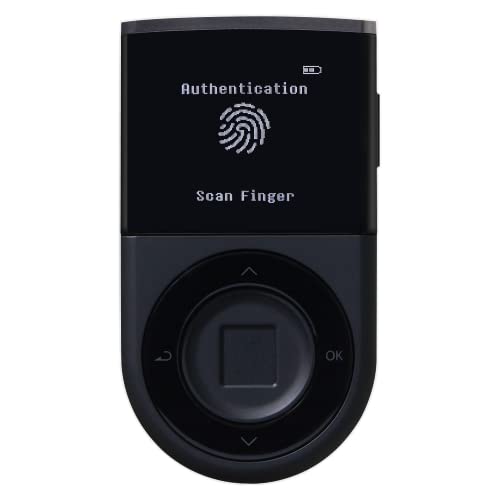
D'CENT Hardware Wallet | Biometric Cold Storage, Bluetooth, Multi-Crypto
- Secure Element with Fingerprint: EAL5+ certified chip with biometric protection
- Supports 4,900+ Assets: Compatible with over 100 blockchains and tokens
- Bluetooth Mobile Management: Tap-to-sign via D'CENT app for easy control
As an affiliate, we earn on qualifying purchases.
As an affiliate, we earn on qualifying purchases.
Future Developments and Market Monitoring
Market observers will watch for continued data on stablecoin trading volumes in the coming weeks to determine if USDC’s lead is sustained. Regulatory updates, institutional adoption rates, and industry partnerships are expected to influence future trends. Both Circle and Tether are likely to adapt their strategies in response to evolving market dynamics.
As an affiliate, we earn on qualifying purchases.
Key Questions
What caused USDC to overtake Tether in trading volume?
According to industry analysts, increased institutional trust, regulatory clarity, and USDC’s backing by regulated entities contributed to its recent growth in trading volume.
Does this mean Tether is losing its dominance permanently?
Not necessarily. While USDC has gained ground recently, Tether remains the largest stablecoin by market cap and overall usage. The market is still evolving, and Tether’s dominance could persist or shift further.
What are the implications for investors and traders?
The shift suggests that traders and institutions may increasingly prefer USDC for daily transactions and liquidity provision, potentially influencing trading strategies and liquidity pools.
How reliable is the data from Visa?
Visa’s data provides a valuable snapshot of stablecoin trading activity across its network, but it may not capture all trading venues or OTC transactions, so figures should be viewed as indicative rather than comprehensive.
What regulatory factors are influencing this shift?
USDC’s backing by regulated financial institutions and increased regulatory clarity in the U.S. and globally have made it more attractive to institutional users, contrasting with ongoing scrutiny faced by Tether.
Source: rss