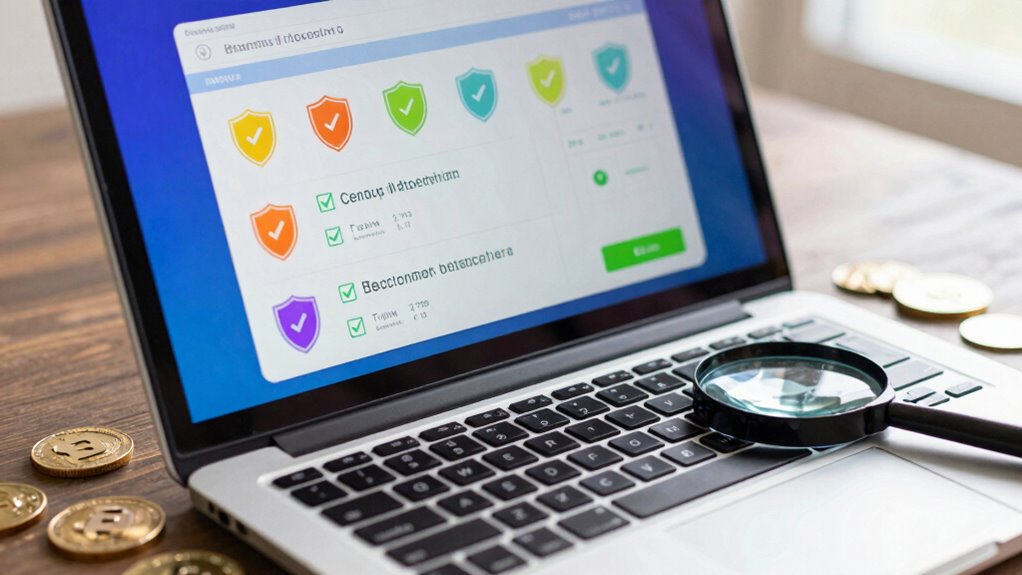

In crypto, consumer protection means safeguards to keep your investments safe, transparent, and fair in a largely unregulated space. It involves measures like verified platforms, security practices, and true transparency to prevent scams and fraud. Since crypto operates decentralization and lacks formal safeguards, you need to do your own research and practice good security habits. As regulations evolve worldwide, understanding these protections can help you participate more confidently and securely. Stay with us to explore how you can better protect yourself in this environment.

Get hardware and tech essentials delivered free — and shop member deals
- Fast, free delivery on millions of items
- Access to Prime Big Deal Days deals on October 6–7
- Prime Video, Amazon Music and more included
Key Takeaways
- Ensuring secure and transparent platforms for buying, selling, and holding cryptocurrencies.
- Implementing measures to prevent scams, fraud, and phishing attacks targeting consumers.
- Educating users on safeguarding private keys and recognizing potential threats.
- Establishing regulatory frameworks to provide safety nets similar to traditional financial protections.
- Promoting industry standards for accountability, transparency, and consumer rights in crypto transactions.

Have you ever wondered how safe your investments are in the fast-growing world of cryptocurrency? As digital currencies become more popular, the concept of consumer protection takes on new significance. Unlike traditional financial systems, crypto operates in a relatively unregulated space, which presents unique challenges. Regulatory challenges are at the forefront, making it tricky to establish uniform rules that safeguard investors while encouraging innovation. Without clear regulations, many consumers worry about their money’s security, especially since the crypto landscape is flooded with a mix of reputable exchanges and less trustworthy players. This lack of oversight can lead to situations where consumers aren’t fully protected if something goes wrong.
Crypto’s unregulated nature poses risks, making consumer protection and trustworthy exchanges more crucial than ever.
Fraud prevention is a critical aspect of consumer protection in crypto. With the rise of scams, phishing attacks, and fraudulent schemes, you need to be extra vigilant. Cryptocurrency transactions are irreversible, so once you send your funds to a scammer or a compromised platform, retrieving your money is often impossible. That’s why many organizations and regulators emphasize the importance of security measures, transparent operations, and verified platforms. Protecting consumers means creating a safer environment where you can confidently buy, sell, or hold digital assets without fear of falling victim to fraud. Many exchanges now implement rigorous identity verification processes and monitor suspicious transactions to prevent fraud before it happens.
However, the decentralized nature of cryptocurrencies complicates consumer protection efforts. Unlike traditional banks or financial institutions, which are covered by government deposit insurance and strict regulations, crypto platforms often operate without such safeguards. This makes it essential for you to do your own research and choose reputable exchanges that prioritize security and compliance. Education is key—understanding how to recognize scams and protect your private keys can make a huge difference in safeguarding your investments. Additionally, the lack of comprehensive regulatory frameworks worldwide means that protections can vary significantly from one country to another.
While some countries are beginning to introduce regulations to address these issues, the global crypto market remains fragmented. This uneven approach creates gaps in consumer protection, leaving some investors more vulnerable than others. To bridge this gap, industry stakeholders are working toward best practices, transparency standards, and stronger fraud prevention protocols. As a consumer, staying informed about evolving regulations and security measures can help you navigate this dynamic environment more confidently. Ultimately, consumer protection in crypto is about balancing innovation with safeguarding your assets, so you can participate in the digital economy with greater peace of mind.
cryptocurrency security hardware wallet
As an affiliate, we earn on qualifying purchases.
As an affiliate, we earn on qualifying purchases.
Frequently Asked Questions
Can Consumers Recover Lost Funds in Crypto Scams?
You can often recover lost funds from cryptocurrency fraud, but it’s challenging. Once scammers steal your crypto, tracing and recovering your assets depends on the scam’s nature and how quickly you act. To improve your chances, focus on scam prevention strategies like verifying sources and using secure wallets. If you fall victim, report promptly to authorities or exchanges, but understand that recovery isn’t guaranteed. Staying vigilant helps prevent future losses.
Are Crypto Exchanges Legally Liable for User Losses?
Imagine a safety net stretched beneath a tightrope walker—crypto exchanges often aren’t held liable for user losses, thanks to liability limitations. While regulatory compliance aims to shield consumers, many exchanges aren’t legally responsible for individual errors or scams. You need to understand these limits, as your losses might not be recoverable. Always verify if an exchange meets strict regulations, but don’t assume they’re fully liable for your investments.
How Does Consumer Protection Differ Between Traditional Finance and Crypto?
In traditional finance, you benefit from strict regulatory frameworks and transparency standards that safeguard your assets and guarantee fair practices. In contrast, crypto consumer protection varies widely due to less regulation and inconsistent transparency standards. You may face higher risks of fraud or loss, as crypto platforms often lack clear legal protections. Staying informed and cautious helps you navigate these differing protections effectively.
What Rights Do Crypto Investors Have in Disputes?
As a crypto investor, your rights in disputes depend on regulatory compliance and investor education. You can seek resolution through platforms with clear policies or legal channels if applicable. Stay informed about your rights and the platform’s policies, and guarantee they follow regulations designed to protect you. Your right to dispute resolution hinges on understanding these aspects, making investor education essential for steering conflicts effectively and safeguarding your investments.
Are There Insurance Schemes for Crypto Assets?
Yes, there are crypto insurance schemes designed for asset safeguarding. These policies help protect your crypto assets from theft, hacking, or exchange failures. Companies now offer specialized crypto insurance to give you peace of mind, ensuring your investments are covered in case of unforeseen events. While not all assets are insured, choosing platforms that provide crypto insurance can considerably reduce your risks and enhance your overall security.
verified crypto exchange platform
As an affiliate, we earn on qualifying purchases.
As an affiliate, we earn on qualifying purchases.
Conclusion
Think of consumer protection in crypto like a sturdy bridge over turbulent waters—you need it to safely cross from uncertainty to clarity. Imagine a trader who nearly lost everything in a scam, but thanks to strong regulations, she got her funds back. That’s the power of good consumer protection. It’s what keeps your digital assets secure and your confidence intact, transforming the unpredictable crypto world into a safer space for everyone like you.
As an affiliate, we earn on qualifying purchases.
As an affiliate, we earn on qualifying purchases.
Halloween Picks
halloween
As an affiliate, we earn on qualifying purchases.