
Privacy-conscious crypto usage means you mix decentralized exchanges, privacy tools, and secure access methods to stay hidden. You trade directly from your wallets, use VPNs or Tor, and obscure transaction data with mixers or privacy coins like Monero. By combining these techniques, you create multiple layers of protection, making it harder for anyone to link your transactions to your identity. Keep exploring, and you’ll discover even more ways to enhance your privacy and stay in control.
Key Takeaways
- Using decentralized exchanges to trade directly from wallets, avoiding centralized platforms that collect user data.
- Employing privacy coins or mixers to obscure transaction origins and prevent chain analysis.
- Accessing crypto services through VPNs or Tor to hide IP addresses and online activity.
- Regularly updating privacy practices and tools to adapt to evolving surveillance techniques.
- Combining multiple privacy measures—such as privacy wallets, secure access, and transaction obfuscation—for layered protection.
In the rapidly evolving world of cryptocurrencies, maintaining your privacy can be challenging yet essential. As more people engage in digital assets, privacy concerns grow, especially with the increasing scrutiny from regulators and potential hackers. To stay private, you need to adopt specific practices that protect your identity and transaction details. One effective way is to use decentralized exchanges (DEXs), which operate without a central authority. Unlike traditional exchanges that require extensive personal information, DEXs allow you to trade directly from your wallet, minimizing the amount of data you expose. This setup reduces the risk of your identity being linked to your transactions, helping you maintain a higher degree of privacy.
Using decentralized exchanges helps protect your privacy by reducing personal data exposure in crypto trading.
However, simply opting for a DEX isn’t enough for comprehensive privacy. You should also incorporate anonymity tools into your crypto routine. These tools, like privacy-focused wallets or mixers, make it difficult for outsiders to trace your transactions back to you. For instance, using privacy coins such as Monero or Zcash can enhance your anonymity because they implement advanced cryptographic techniques that obscure transaction details. Additionally, employing coin mixers or tumblers can break the link between your wallet and the transaction history, further protecting your identity. These tools scramble transaction data, making it nearly impossible for third parties to connect your activities across different accounts. Incorporating cryptographic techniques can significantly strengthen your privacy measures against sophisticated analysis. Furthermore, staying updated on privacy-enhancing innovations helps you adapt to new challenges and opportunities in maintaining anonymity.
It’s also important to be mindful of how you access your crypto accounts. Using VPNs or Tor networks when interacting with exchanges or wallets adds an extra layer of security. This prevents anyone from tracking your IP address, which is often used to identify users. When combined with anonymous browsing, your online footprint becomes significantly less traceable. Remember, privacy isn’t just about tools; it’s about adopting a mindset that prioritizes discretion at every step. Avoid sharing personal details unnecessarily, and be cautious when linking your identity to your crypto activities outside secure, privacy-focused environments. Staying aware of privacy vulnerabilities can help you recognize potential risks before they compromise your anonymity.
Lastly, staying informed about emerging privacy practices and tools is crucial. The crypto landscape evolves rapidly, and new privacy-enhancing solutions are constantly being developed. By regularly updating your knowledge and adjusting your practices, you ensure your crypto usage remains as private as possible. Keeping up with privacy-focused technologies can help you implement the most effective measures. In summary, privacy-conscious crypto usage involves leveraging decentralized exchanges, utilizing anonymity tools, and maintaining vigilant online habits. It’s about creating a layered approach that makes tracking or linking your transactions to your identity incredibly difficult, giving you control over your financial privacy in a digital world.
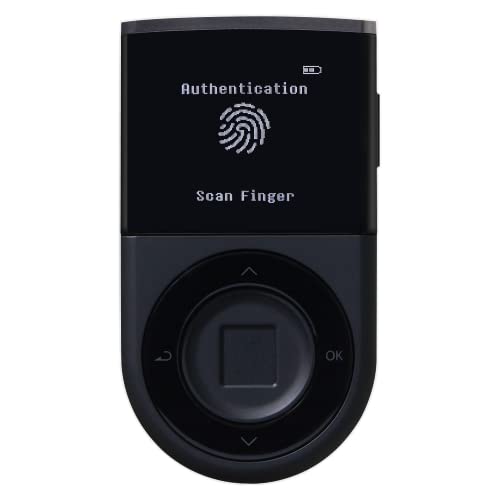
D'CENT Hardware Wallet | Biometric Cold Storage, Bluetooth, Multi-Crypto
- Secure Element with Fingerprint: EAL5+ certified chip with biometric protection
- Supports 4,900+ Assets: Compatible with over 100 blockchains and tokens
- Bluetooth Mobile Management: Tap-to-sign via D'CENT app for easy control
As an affiliate, we earn on qualifying purchases.
As an affiliate, we earn on qualifying purchases.
Frequently Asked Questions
How Do I Verify the Privacy of a Specific Cryptocurrency?
To verify a cryptocurrency’s privacy, you should check if it supports anonymous transactions and zero-knowledge proofs. Look into its protocol documentation and security features to see if it guarantees user privacy without revealing transaction details. You can also review independent audits and community reports. If a coin uses zero-knowledge proofs, it enhances privacy by allowing verification without exposing sensitive information, making it a strong privacy-focused choice.
Are Privacy Features Available on Major Exchanges?
You might think major exchanges prioritize privacy, but that’s often not the case. While some offer features for anonymous transactions, many still prioritize regulatory compliance, limiting true privacy. They might enable you to trade cryptocurrencies without revealing your identity, but full privacy isn’t guaranteed. Be cautious—these platforms balance privacy with legal requirements, so if privacy is your priority, consider specialized privacy coins or decentralized exchanges that better protect your anonymity.
Can Privacy Practices Prevent All Forms of Transaction Tracing?
No, privacy practices can’t prevent all transaction tracing. Techniques like zero knowledge proofs and coin mixing considerably enhance privacy, making it harder to trace transactions. Zero knowledge proofs allow verification without revealing details, while coin mixing obscures transaction trails by combining multiple users’ funds. However, advanced analysis and legal investigations can still potentially de-anonymize transactions, so while these practices improve privacy, they don’t guarantee complete anonymity.
What Are the Legal Implications of Using Privacy-Focused Coins?
Using privacy-focused coins can lead to legal issues if you don’t consider regulatory compliance and jurisdictional risks. Some countries heavily regulate or ban their use, making transactions potentially illegal. You might face penalties or asset freezes if authorities detect non-compliance. Always research your jurisdiction’s rules before using these coins, and consider consulting legal experts to make sure you’re aligned with local laws to avoid unintended legal consequences.
How Often Should I Update My Privacy Security Measures?
Think of your privacy security as a garden that needs regular tending. You should update your measures whenever you encounter new privacy myths or security best practices. This keeps your defenses strong against evolving threats. Regular updates—at least quarterly—ensure your tools and habits stay current, protecting your assets. Staying vigilant and proactive prevents vulnerabilities, much like pruning and watering your garden keeps it healthy and thriving.

Monero Blockchain Collectible Coin – Silver Plated, Intricate Circuit Design, Hard Enamel Finish, Privacy Crypto Token for Collectors and Tech Enthusiasts
- Compact Size: 1.57 inches diameter, 0.12 inches thick
- Silver Plated Finish: Luxurious and durable silver coating
- Monero Logo: Features iconic Monero emblem
As an affiliate, we earn on qualifying purchases.
As an affiliate, we earn on qualifying purchases.
Conclusion
In the world of crypto, staying private isn’t just a choice—it’s crucial. Nearly 60% of users report concerns about privacy breaches, highlighting how important it is to adopt protective practices. By using tools like VPNs, privacy coins, and secure wallets, you can keep your transactions under wraps. Remember, a proactive approach to privacy ensures you maintain control and confidence in your crypto journey, safeguarding your assets and personal information every step of the way.

Basic Ethereum Mining Guide: The Beginner Guide to Ethereum with Insights into Its History, Mining Pool, 2.0, Techniques, Using VPN, and Future of this Enterprise
As an affiliate, we earn on qualifying purchases.
As an affiliate, we earn on qualifying purchases.

Bitkey Bitcoin Hardware Wallet – The Most Secure Way to Buy, Store and Manage Bitcoin
- Bitcoin Exclusive Design: Dedicated hardware wallet for Bitcoin
- All-in-One Management: Compare prices, send, receive, and track
- Enhanced Security: Three-key system simplifies self-custody
As an affiliate, we earn on qualifying purchases.
As an affiliate, we earn on qualifying purchases.