TL;DR
An early poll suggests Swiss voters will reject a proposal to strengthen neutrality in the constitution. The measure, backed by only 34%, faces opposition from 54%, influencing future foreign policy decisions.
Swiss voters are expected to reject a proposed constitutional amendment to enshrine permanent neutrality, according to an early poll published Sunday. The measure, which would formalize neutrality as a constitutional principle, currently faces significant opposition, with 54% of respondents indicating they would vote against it. The result could influence Switzerland’s foreign policy stance and its ability to maintain sanctions against Russia amid ongoing geopolitical tensions.
The early poll, conducted by Tamedia, shows only 34% of Swiss respondents support the initiative to enshrine permanent neutrality in the constitution. The survey was published ahead of a national plebiscite scheduled for September 27, where voters will decide on the measure. Support for the proposal remains low, with a majority of 54% indicating they would oppose it, either probably or definitely, according to the poll results.
Switzerland has historically maintained a policy of neutrality, but the proposed constitutional change aims to formalize this stance more explicitly. The measure has garnered political debate, especially regarding its implications for Switzerland’s ability to participate in international sanctions, particularly against Russia. The outcome of the vote could have significant implications for Switzerland’s foreign policy and its role in global diplomacy.
Implications for Switzerland’s Foreign Policy
The anticipated rejection of the neutrality measure suggests Switzerland may continue its current policy of flexible neutrality, which allows participation in sanctions and international coalitions. This could impact its ability to align with Western sanctions against Russia and other geopolitical actions. The vote’s outcome reflects public sentiment and could influence future policy decisions, especially amid ongoing conflicts and international pressures.

AhfuLife Switzerland Flag 3×5 Ft, Large Switzerland National Flags for Outside – Double Side with Brass Eyelets for Olympic Party Decorations, Bar Garden Street Decoration Indoor Outdoor
- Flag Size: 3 x 5 feet (90 x 150 cm)
- Durable Construction: Double-stitched edges with canvas header
- Weatherproof Material: 100% waterproof, fade-resistant fabric
As an affiliate, we earn on qualifying purchases.
As an affiliate, we earn on qualifying purchases.
Historical and Political Background of Swiss Neutrality
Switzerland has maintained a policy of neutrality since the early 19th century, avoiding involvement in military conflicts and alliances. In recent years, debates have intensified over whether to formalize this stance constitutionally. The proposed measure, scheduled for a vote on September 27, is part of broader discussions about Switzerland’s role in international security and its response to global conflicts, including the Russia-Ukraine war. Past polls have shown mixed support for such constitutional enshrinement, but the latest data indicates growing opposition.
“The poll clearly shows that a majority of Swiss voters prefer to keep the flexibility in their neutrality policy rather than enshrine it permanently in the constitution.”
— an anonymous researcher
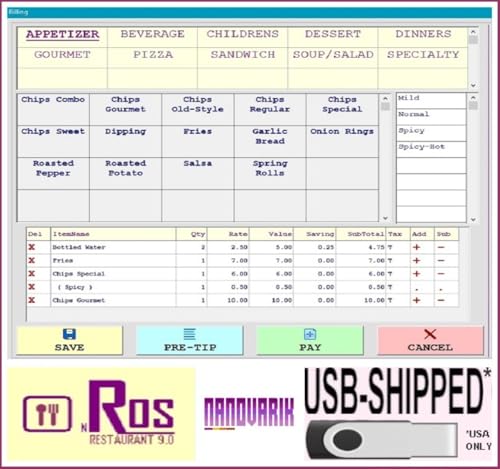
NROS Restaurant POS Software (Point of Sale)
- Suitable for small eateries: Bistros, cafes, canteens, restaurants
- One-time purchase: Single payment, no recurring fees
- Comprehensive features: 73 modules and 29 reports
As an affiliate, we earn on qualifying purchases.
As an affiliate, we earn on qualifying purchases.
Uncertainties Surrounding the Vote Outcome
It is not yet clear whether the final voting results will mirror the early poll, as public opinion can shift during the campaign period. Factors such as political campaigning, international developments, and public debates may influence voter decisions before the plebiscite on September 27. Additionally, turnout levels and regional variations in voting patterns remain unknown at this stage.

Citizen She!: The Global Campaign for Women's Voting Rights
As an affiliate, we earn on qualifying purchases.
As an affiliate, we earn on qualifying purchases.
Next Steps Before the September Vote
The Swiss government and political parties will intensify their campaigns leading up to the plebiscite. Polling closer to the date will provide more accurate indications of voter sentiment. The outcome will determine whether Switzerland enshrines permanent neutrality in its constitution, affecting its foreign policy and international relations. Observers will closely monitor campaign developments and public debates in the coming months.
As an affiliate, we earn on qualifying purchases.
Key Questions
What does the proposed neutrality measure entail?
The measure aims to enshrine permanent neutrality in the Swiss constitution, formalizing the country’s policy of avoiding military alliances and participation in conflicts, including sanctions.
Why is this vote important for Switzerland’s foreign policy?
Enshrining neutrality could limit Switzerland’s ability to participate in international sanctions and coalitions, potentially affecting its diplomatic and economic relations, especially with Western countries.
What are the main arguments for and against the measure?
Supporters argue it would strengthen Switzerland’s traditional neutrality stance, while opponents believe it could restrict the country’s flexibility in responding to international crises and sanctions.
When will the final vote take place?
The plebiscite is scheduled for September 27, 2026.
How might the vote impact Switzerland’s stance on sanctions against Russia?
If rejected, Switzerland may continue its current policy of flexible neutrality, allowing participation in sanctions. If approved, it could limit future sanctions participation.
Source: Bloomberg