NFTs, or non-fungible tokens, are digital assets that prove ownership of unique items stored on a blockchain. Unlike cryptocurrencies, each NFT is one-of-a-kind, making it perfect for digital art, collectibles, and more. They verify authenticity and ownership, preventing forgery and ensuring transparency. As NFTs expand into gaming, music, and virtual real estate, understanding their functions can open new opportunities. Keep exploring to discover how NFTs are reshaping digital ownership and value.

Get hardware and tech essentials delivered free — and shop member deals
- Fast, free delivery on millions of items
- Access to Prime Big Deal Days deals on October 6–7
- Prime Video, Amazon Music and more included
Key Takeaways
- NFTs are unique digital assets that verify ownership of digital items via blockchain technology.
- They serve as digital certificates, ensuring authenticity and provenance of digital art and collectibles.
- NFTs enable artists to sell digital creations directly and allow collectors to securely own and trade assets.
- Beyond art, NFTs are used in gaming, music, and virtual real estate for verifiable digital ownership.
- Blockchain underpins NFTs by providing secure, transparent, and tamper-proof records of ownership and transactions.
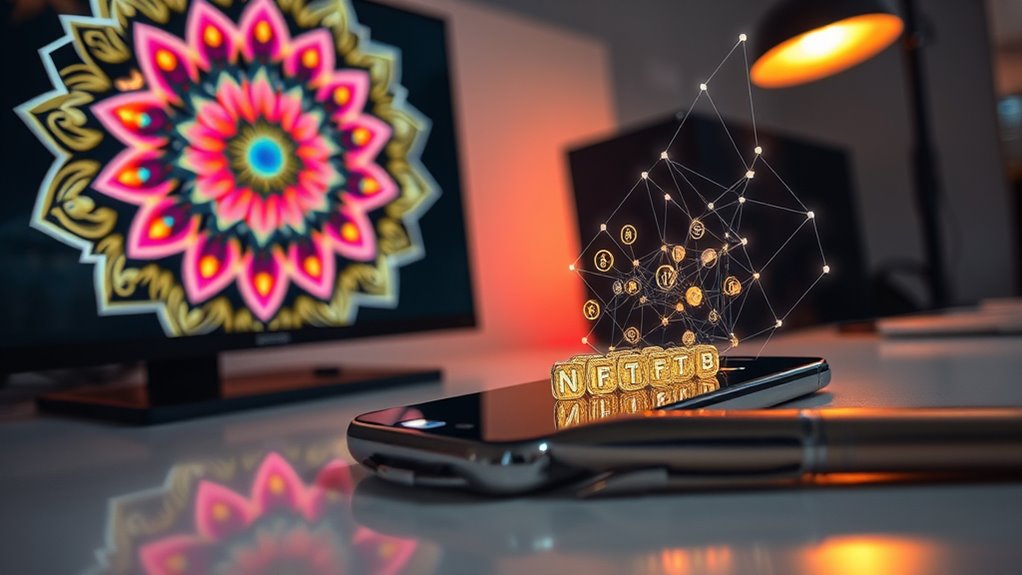
Have you ever wondered what an NFT is and why everyone’s talking about it? Non-fungible tokens, or NFTs, are digital assets that represent ownership of a unique item or piece of content stored on a blockchain. Unlike cryptocurrencies such as Bitcoin or Ethereum, which are interchangeable, NFTs are one-of-a-kind, making them perfect for digital art and collectibles. When you buy an NFT, what you’re really purchasing is a kind of digital certificate of ownership that’s secured and verified through blockchain technology.
NFTs are unique digital assets stored on a blockchain, proving ownership of digital art and collectibles.
One of the main reasons NFTs have gained so much attention is because of their ability to authenticate digital art and establish clear ownership verification. Digital art can be easily copied or shared, which makes it difficult to determine who truly owns the original. But with an NFT, you hold a blockchain-based record that proves your ownership of a specific digital piece. This ownership verification is vital because it combats art forgery and helps artists protect their work in the digital space. When an artist creates an NFT of their digital artwork, they can sell it directly to collectors, who then have a verifiable claim to the original piece, even if copies are circulated widely. This process creates a new way for artists to monetize their creations and for collectors to invest in digital assets confidently.
Additionally, owning an NFT isn’t just about having a digital file; it’s about possessing a unique item that can appreciate in value or serve as a digital collectible. You can showcase your digital art collection online, trade NFTs with others, or hold onto them as a form of digital investment. The blockchain’s transparency ensures that every transaction, from purchase to resale, is recorded publicly, giving you confidence in the authenticity and provenance of your assets. This transparency also means that artists and buyers can trace the history of a particular NFT, ensuring that ownership verification remains intact and tamper-proof. The use of blockchain technology is what guarantees the security and authenticity of each transaction and ownership record.
Furthermore, NFTs are transforming various industries beyond digital art, including gaming, music, and virtual real estate. But at their core, they all rely on the same principles: creating unique, verifiable ownership of digital items. So, whether you’re an artist wanting to protect your work or a collector enthusiastic to own a piece of digital history, understanding NFTs’s role in digital art and ownership verification is vital. They’re revolutionizing how we think about digital assets, making ownership more secure, transparent, and accessible than ever before.
Frequently Asked Questions
How Do I Verify the Authenticity of an NFT?
To verify an NFT’s authenticity, check its digital signature and confirm its details through blockchain verification. You can do this by examining the transaction history on a trusted blockchain explorer, which confirms that the NFT is genuinely linked to the creator and hasn’t been tampered with. Always make certain the NFT is listed on reputable marketplaces and cross-reference the creator’s official account to avoid counterfeit tokens.
What Are the Environmental Impacts of NFT Creation?
You might worry that NFTs are environmentally harmful, but understanding their carbon footprint and energy consumption helps you see the bigger picture. Creating NFTs can consume significant energy, especially with proof-of-work blockchains, leading to a higher environmental impact. However, many artists and platforms are shifting to eco-friendly blockchains, reducing energy use. So, by choosing greener options, you can enjoy digital art without deeply harming the environment.
Can NFTS Be Stolen or Hacked?
Yes, NFTs can be stolen or hacked. If you don’t secure your digital wallet properly, hackers can gain access and steal your NFTs. Be cautious of NFT marketplace scams, where fraudsters trick you into revealing your private keys or sending money. Always use strong, unique passwords, enable two-factor authentication, and stay vigilant to protect your digital assets from theft and hacking attempts.
How Do Royalties Work for NFT Creators?
You might think creators just get a one-time payment, but with royalty mechanisms, they actually keep earning every time their NFT changes hands. It’s like a surprise bonus for the artist, ensuring fair creator compensation long after the initial sale. So, instead of a single payday, royalties give artists ongoing income, making sure their work continues to benefit them, even in the chaotic world of digital art.
Are NFTS Legal in All Countries?
NFTs aren’t legal in all countries due to varying legal considerations and international regulations. You should research the specific laws in your country before buying or selling NFTs. Some nations have embraced blockchain technology, while others have banned or restricted it. Because regulations change frequently, it is crucial to stay informed about your local laws to avoid legal issues when engaging with NFTs.
Conclusion
Now that you understand NFTs, think of them as keys uncovering a world of creativity and ownership. Each token is like a brushstroke on the canvas of the digital future, shaping your unique story. As you step forward, remember that NFTs symbolize more than just digital assets—they represent your place in a vibrant, evolving gallery. Embrace this new chapter, where your digital signature becomes a beacon in the boundless landscape of innovation.
Halloween Picks
halloween
As an affiliate, we earn on qualifying purchases.