
TL;DR

Get hardware and tech essentials delivered free with Prime
- Fast, free delivery on millions of items
- Prime Video, Amazon Music and more included
- Member-only deals all year
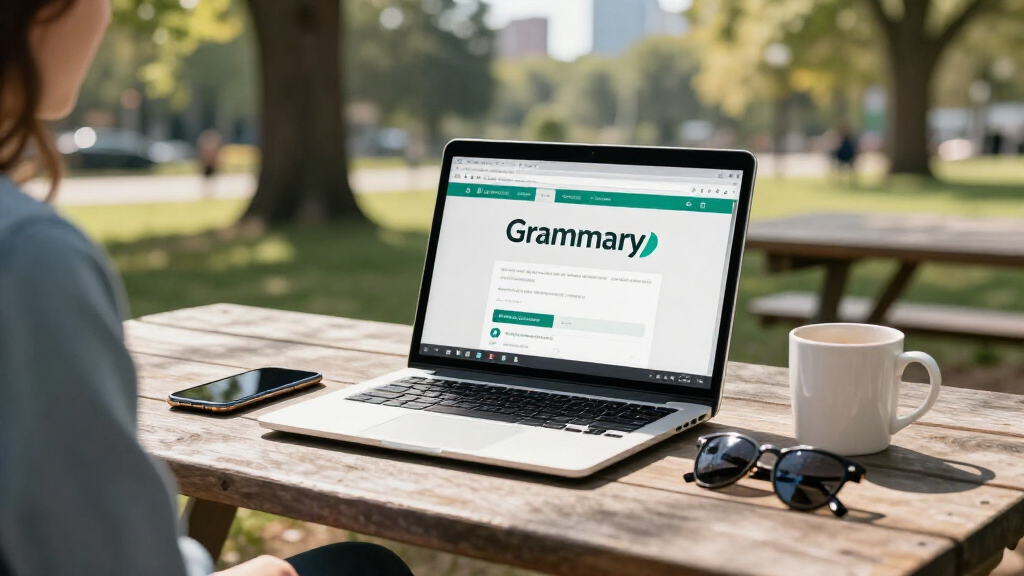
Grammarly is being tested as a tool to help self-represented litigants draft court documents accurately and verify citations. This development aims to improve access to justice for small businesses and individuals without legal representation. The initiative is still in early testing phases, with questions remaining about its effectiveness and adoption.
Grammarly is being developed as a specialized tool to assist self-represented litigants and small business owners in drafting legally compliant court filings and demand letters. The initiative aims to address the challenges faced by non-lawyers in navigating procedural formalities and accurate legal citation, which often lead to rejected or weakened filings. This development is significant because it could improve access to justice for millions of Americans who handle civil disputes without legal representation.
The proposed application involves a web-based platform where users answer structured questions about their dispute, such as parties involved, claim amount, and relevant facts. The system then generates a court-format demand letter or small-claims statement, incorporating a ‘lawsuit Grammarly’ pass. This pass flags weak or missing legal elements and verifies every cited statute or case against a real legal database, preventing hallucinated or inaccurate citations. The goal is to produce a properly formatted, e-signable document suitable for submission in court.
According to sources familiar with the project, the tool is designed primarily for disputes like debt collection, eviction notices, or employment claims—areas where small businesses and individuals often lack legal support but need formal documentation. The platform plans a freemium model, offering a free draft with paid options for multiple documents or subscriptions for ongoing matters. The initiative is targeting a market of self-represented litigants and small legal aid organizations, aiming to reduce costs and improve filing accuracy.
Legal experts note that this approach could mitigate the problem of hallucinated citations common with generic AI chatbots, which have been linked to increased sanctions and court sanctions due to false legal references. Early testing is focused on validating the tool’s ability to produce court-ready documents and verify citations, with the first pilot expected to launch in early 2024.
Potential Impact on Civil Dispute Access and Court Efficiency
If successful, this tool could significantly improve the quality of filings submitted by self-represented litigants and small businesses, reducing rejection rates and court delays caused by procedural errors. It could also lower legal costs for individuals and small firms, who currently face high expenses for attorney-drafted documents. Furthermore, by verifying citations against real legal databases, the platform aims to curb the spread of hallucinated or inaccurate legal references, which have become a concern with the rise of AI in legal workflows.
This development aligns with broader efforts to leverage legal technology to democratize access to justice, especially as the number of pro se litigants in U.S. civil courts continues to grow. Experts suggest that if the MVP proves effective, larger-scale adoption could follow, transforming how civil disputes are initiated and managed outside traditional legal channels.
Legal document drafting software for self-represented litigants
As an affiliate, we earn on qualifying purchases.
As an affiliate, we earn on qualifying purchases.
Growing Need for Accurate AI Tools in Civil Litigation
Over the past decade, the number of self-represented litigants in U.S. civil courts has steadily increased, with about 60% of civil cases now involving at least one pro se party. Despite this, many lack access to affordable legal assistance, leading to poorly drafted filings that are often rejected or weakened. The rise of AI tools has offered promise but also introduced risks, especially with large language models producing hallucinated citations that can lead to sanctions or case dismissals.
Recent reports indicate that between 2000 and 2019, approximately 27% of federal civil cases involved pro se litigants, and incidents of citation hallucinations are rising, particularly among non-lawyer users. This has prompted calls for more verification-focused AI solutions capable of producing court-compliant documents. The new Grammarly-based tool aims to fill this gap by combining AI drafting with real-time legal citation verification, tailored specifically for small-scale civil disputes.
Legal experts emphasize that this initiative is part of a broader trend toward specialized legal AI applications designed to improve accuracy, reduce errors, and ensure procedural compliance, especially for non-lawyers handling critical filings.
“Integrating citation verification into AI drafting tools could be a game-changer for pro se litigants, reducing errors and increasing court acceptance rates.”
— an anonymous researcher
As an affiliate, we earn on qualifying purchases.
Uncertainties About Effectiveness and Adoption
It is not yet clear how well the tool will perform in real-world court settings or whether courts will accept filings generated with AI assistance. The project remains in early testing phases, and validation data are still being collected. Additionally, questions remain about user adoption, especially among small business owners unfamiliar with legal procedures, and whether the verification system can reliably prevent hallucinated citations at scale.
Legal experts caution that while the technology shows promise, widespread deployment will require rigorous validation and possibly regulatory approval. The extent to which courts will trust AI-generated documents verified against legal databases remains an open question.
Legal citation verification software
As an affiliate, we earn on qualifying purchases.
As an affiliate, we earn on qualifying purchases.
Next Steps for Development and Pilot Testing
The development team plans to launch a pilot program in early 2024, testing the platform with a select group of small businesses and self-represented litigants. During this phase, they will gather user feedback, assess citation accuracy, and refine the document generation process. Concurrently, efforts will be made to establish partnerships with legal aid organizations and court systems to facilitate broader adoption.
If pilot results are positive, the platform could expand to support additional dispute types and integrate with court filing systems. Developers also aim to enhance the citation verification database and improve user interface design to maximize accessibility and compliance.
Legal observers will be watching closely to see if this approach can meaningfully reduce errors, increase filing success rates, and ultimately improve access to justice for underserved populations.
Small business legal document templates
As an affiliate, we earn on qualifying purchases.
As an affiliate, we earn on qualifying purchases.
Key Questions
How does Grammarly verify legal citations?
The system cross-references cited statutes and cases against a real legal database to ensure accuracy and prevent hallucinations.
Will courts accept AI-generated filings?
This is still uncertain; acceptance depends on validation results and court policies, which are currently being tested in pilot programs.
Who is the target user for this tool?
Self-represented litigants, small business owners, and legal aid organizations handling civil disputes like debt collection and evictions.
How much will the service cost?
The platform plans a freemium model, with paid options ranging from $15 to $40 per document and subscription plans for ongoing use.
What are the risks of using AI for legal filings?
Potential risks include citation errors, procedural mistakes, or courts rejecting AI-generated documents. Verification aims to mitigate these issues.
Source: IdeaNavigator AI
Halloween Picks
halloween
As an affiliate, we earn on qualifying purchases.