

📊 Full opportunity report: The SSD Squeeze: Why Storage Joined the Party on ThorstenMeyerAI.com — validation score, market gap, and execution plan.
TL;DR
NAND flash memory prices are surging due to supply constraints caused by AI’s growing storage needs and wafer competition with high-margin memory. This shortage affects enterprise, consumer, and industrial markets, with prices expected to remain high.
NAND flash memory prices have surged by over 50% in early 2026, driven by a combination of supply constraints and soaring demand from artificial intelligence applications, according to industry sources. This shortage is impacting both enterprise and consumer markets, causing prices for SSDs and other flash storage to rise sharply.
Over the past nine months, contract prices for NAND flash have increased approximately four to four-and-a-half times, with enterprise SSD contract prices jumping by a record 53–58% in the first quarter of 2026, as reported by industry insiders. Major manufacturers like Samsung, SK Hynix, and Micron have reduced wafer production targets, citing a focus on high-margin memory products such as HBM and enterprise DRAM, which has constricted NAND supply.
Simultaneously, AI’s expanding storage requirements are playing a significant role. High-end AI GPUs may require around 16TB of TLC or QLC flash, and large AI server racks can demand over 1,000TB of NAND. As AI shifts from training to inference, patterns such as vector database querying and model caching are increasing demand for high-performance SSDs, further intensifying the shortage. Market forecasts predict NAND revenue growth of over 100% in 2026, emphasizing the structural nature of this demand surge.
Manufacturers have openly acknowledged supply limitations. Micron estimates it can only meet about 55–60% of its main customers’ demand, and companies like Phison report their entire 2026 production is sold out, prioritizing higher-margin enterprise clients. New fabs are still years away, and industry insiders suggest that current supply restrictions are partly driven by deliberate capacity discipline aimed at maintaining high margins, not solely by technical constraints.
The SSD squeeze: storage joined the party
Storage was the last cheap thing in computing. Not anymore — a 2TB NVMe that was $120–150 in 2024 now lists at $300–480. And this time flash isn’t only collateral damage: AI eats storage directly.
both ways
Flash got hit twice — once as collateral sharing fabs with HBM, once directly as AI inference turned fast storage into something it consumes by the petabyte. That second force won’t fade; it grows with every model, every RAG pipeline, every cache that must live somewhere fast. Buy what you need now; favor TLC with DRAM cache, don’t overpay for Gen 5, watch for counterfeits. Relief isn’t forecast before late 2027. When the cheapest component in computing has a two-year waitlist, “commodity” no longer fits. Next: The High-End PC & Workstation Tax.
Why the NAND Shortage Impacts Everyone
This shortage is reshaping the entire storage market, leading to higher prices for consumers and enterprises alike. As NAND becomes a scarce resource, SSD costs are rising, affecting everything from personal computers to industrial and automotive storage systems. The situation underscores a shift where storage is no longer a passive component but an active element in AI infrastructure, making it more expensive and less predictable.
For consumers, this means doubled or tripled SSD prices and reduced storage options in new PCs. Enterprises face increased costs for high-performance storage solutions critical for AI workloads. The scarcity also raises questions about supply chain resilience and the long-term pricing outlook for flash memory, which could influence technology adoption and innovation in AI and data-intensive fields.
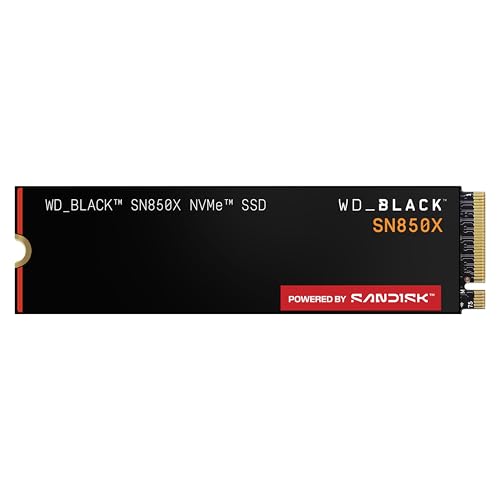
WD_BLACK SN850X 2TB NVMe SSD – M.2 2280, Up to 7,300 MB/s Read speeds, Up to 6,300 MB/s write speeds, Gaming Expansion, High Performance Internal Solid State Drive – WDS200T2X0E
- Maximum Read Speed: Up to 7,300 MB/s
- Maximum Write Speed: Up to 6,300 MB/s
- Storage Capacity: Up to 8TB options
As an affiliate, we earn on qualifying purchases.
As an affiliate, we earn on qualifying purchases.
Factors Driving the NAND Supply Crunch
Historically, NAND flash was the most affordable form of storage, with prices declining steadily over the past decade. However, recent developments have upended this trend. The primary driver has been the competition for wafer capacity among different types of memory—particularly between NAND and high-margin HBM and DRAM. Major manufacturers like Samsung, SK Hynix, and Micron have scaled back wafer production targets, prioritizing high-margin products, which has tightened supply for NAND.
Adding to this, AI’s rapid growth has created a new demand paradigm. High-end AI GPUs and servers require vast amounts of fast, reliable flash storage for training, inference, and model caching. As AI shifts from training to inference, the demand for high-IOPS enterprise SSDs has surged, further straining supply. The industry’s current capacity constraints are compounded by the long lead times for new fabs, which are still two to three years away from alleviating shortages.
“We are prioritizing high-margin memory products, which has inevitably led to a reduction in NAND wafer output.”
— Samsung memory division executive

Water Panther 7.68TB PCIe Gen3 x4 NVMe U.2 SSD for Dell EMC PowerEdge | Data Center Solid State Drive with Caddy Tray | Compatible with 14G R640 R940 R440 R740XD 15G R7525
- Storage Capacity: 7.68TB NVMe SSD
- Interface Type: PCIe Gen3 x4
- Form Factor: 2.5-inch U.2
As an affiliate, we earn on qualifying purchases.
As an affiliate, we earn on qualifying purchases.
Unclear Duration and Long-Term Outlook
It remains unclear how long the NAND shortage will persist, as new fabs are still years from completion and industry capacity discipline continues. Market analysts suggest that prices may stay elevated through 2026 and possibly into 2027, but the exact timeline depends on how quickly new manufacturing capacity can be brought online and whether demand stabilizes or accelerates further.
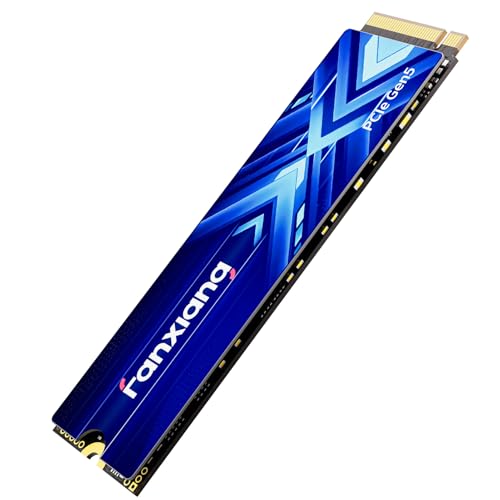
fanxiang 2TB PCIe 5.0 x4 NVMe M.2 SSD,Up to 14000 MB/s,DRAM Cache and SLC NAND,High Performance Solid State Drive for AI Applications, Gaming, PC, Laptop
- Blazing Fast Data Transfer: Up to 14000 MB/s read speed
- Wide Compatibility: Fits most motherboards and systems
- Advanced Thermal Management: Graphite copper heat dissipation
As an affiliate, we earn on qualifying purchases.
As an affiliate, we earn on qualifying purchases.
What to Expect in Storage Markets This Year
Manufacturers are likely to continue prioritizing high-margin memory products, which could prolong supply constraints for NAND flash. Buyers should plan for sustained higher prices and consider adjusting procurement strategies, such as stocking up on essential capacity now. The industry may also see increased focus on alternative storage solutions or innovations to mitigate shortages, but significant capacity expansions are still years away.
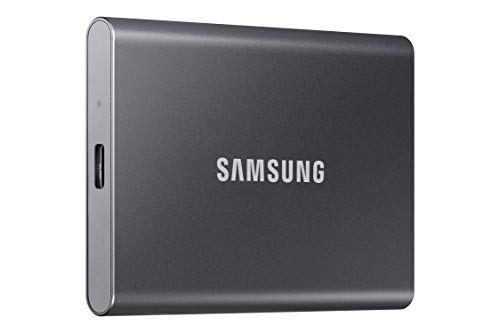
Samsung T7 Portable SSD 1TB Titan Gray, USB 3.2 Gen 2, Up to 1,050MB/s
- Fast Data Transfer Speeds: Up to 1,050MB/s read/write speeds
- Durable and Reliable: Built for heavy use and portability
- High Capacity Options: Up to 4TB storage capacity
As an affiliate, we earn on qualifying purchases.
As an affiliate, we earn on qualifying purchases.
Key Questions
How long will NAND shortages last in 2026?
While exact timelines are uncertain, industry experts suggest shortages could persist through 2026 and into 2027, depending on new fab developments and capacity discipline policies.
Will SSD prices continue to rise?
Yes, due to ongoing supply constraints and high demand, SSD prices are expected to remain elevated for the foreseeable future, especially for enterprise-grade products.
Should consumers wait or buy now?
Given the current market, it may be advisable to purchase essential storage now to avoid higher future prices, but buyers should be cautious of counterfeit products and buy from reputable sources.
Are there alternative storage options to NAND SSDs?
Alternatives include hard drives and emerging storage technologies, but these may not match NAND SSDs in speed or capacity for AI and high-performance applications.
Source: ThorstenMeyerAI.com