An in-depth analysis of synthetic aperture radar (SAR) technology, its recent commercial expansion, and its implications for enterprises, institutions, and governments.
Browsing Category
Industry Insights and Breakthroughs
231 posts
AI-Enhanced Radar: The Backbone Of Secure And Continuous Observation
European SAR programs promise continuous observation, but limited AI analysis capacity may become the new surveillance bottleneck.
The glass backbone: Why the Army’s logistics will break in the next war
Experts warn that the U.S. Army’s logistical systems may fail in future wars due to overreliance on fragile supply chains and outdated infrastructure.
The Glass Backbone: Why The Army’s Logistics Will Break In The Next War
Experts warn the U.S. Army’s logistics system may fail in future wars due to overreliance on fragile supply chains and outdated infrastructure.
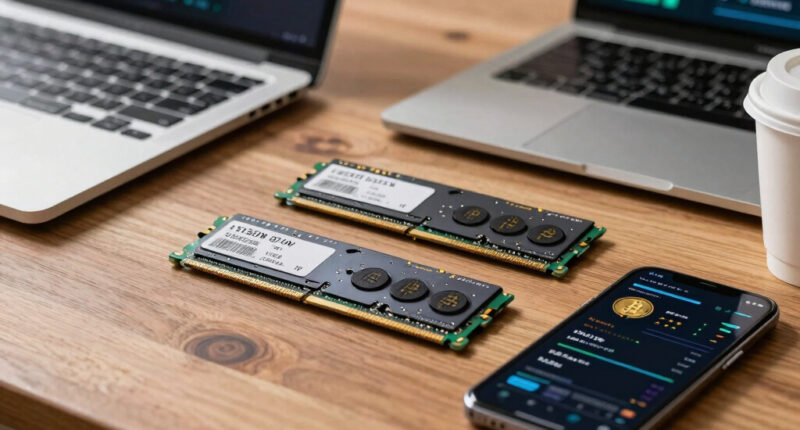
When Does Cheap Memory Come Back? The 2027–2029 Question
Memory prices are expected to remain high through 2028, with relief unlikely before 2029 due to manufacturing delays and sustained demand, especially from AI.
Apple Silicon’s Quiet Memory Advantage
Apple Silicon’s unified memory architecture offers a significant capacity advantage for large AI models, despite lower bandwidth compared to NVIDIA GPUs.
The City That Watches Itself: The Living Digital Twin, and the God’s-Eye View We’re Building
A new generation of urban digital twins combines real-time sensors, AI, and multi-sensor data to create dynamic city replicas, raising questions of surveillance and governance.
When Does Cheap Memory Come Back? The 2027–2029 Question
Memory prices are expected to remain high through 2028–2029, with relief unlikely before then due to industry capacity and demand factors. Here’s what is known.
Cloud’s Hidden Memory Bill
The 2026 memory crunch is driving cloud price hikes, especially in memory-heavy instances, with costs rising quietly and impacting budgets.
Apple Silicon’s Quiet Memory Advantage
Apple Silicon chips quietly outperform discrete GPUs in handling large AI models thanks to unified memory, offering capacity at lower cost but with slower speed.