TL;DR

Get hardware and tech essentials delivered free with Prime
- Fast, free delivery on millions of items
- Prime Video, Amazon Music and more included
- Member-only deals all year
The best electric fireplace for an office studio combines quiet operation, convincing flame effects, and safety features. It should suit your space, tech needs, and style without adding noise or clutter.
Imagine sitting in your office studio, the soft glow of a realistic flame flickering in the background. No smoke, no venting, just warm ambiance that creates comfort and focus. An electric fireplace can do that — but choosing the right one isn’t as simple as picking the biggest or most powerful model.
What matters most? Quiet operation, convincing visuals, safety, and how well it fits your space and workflow. This guide walks you through the essentials, helping you identify the best electric fireplace for your office studio, whether you need a subtle wall-mounted unit or a portable stove.
Choose a fireplace style that fits your space—portable, wall-mounted, or built-in—based on mobility and aesthetic needs.
Prioritize quiet operation and realistic flame effects to avoid distractions during recordings or calls.
Match heat output to your room size and insulation; avoid relying solely on advertised coverage estimates.
Ensure safety features like tip-over protection, overheat shutoff, and proper electrical setup are in place.
Consider modern visual tech such as water vapor flames and adjustable brightness for a more convincing, versatile ambiance.
Which fireplace type fits your office best?
Choosing the right style is step one. Do you want something portable, wall-mounted, or built-in? For most office studios, a freestanding stove offers flexibility and easy setup. It’s perfect if you want to move it around or rent your space.
A wall-mounted fireplace saves valuable floor space and can serve as a modern focal point. Just watch out for models that protrude too much in narrow rooms, blocking pathways or screens.
If you prefer a sleek, integrated look, a recessed or built-in fireplace creates a seamless appearance but requires construction work. Lastly, fireplace inserts fit into existing mantels or custom cabinetry, blending traditional style with modern heat.
For tiny desks or decorative accents, desktop units are available, but they usually aren’t powerful enough for real comfort or heating.
Products Worth Considering
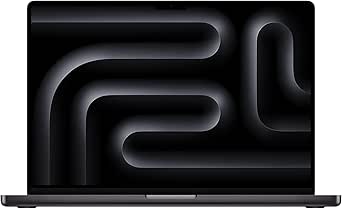
Apple MacBook Pro 16.2-inch with M5 Pro, 18-core CPU, 20-core GPU, 48GB Memory, 1TB SSD, Wi-Fi 7, Space Black

LG 24G414B-B 24-Inch UltraGear Full HD IPS Gaming Monitor

Apple MacBook Pro 14‑inch (2021) with M1 Pro, 16 GB RAM, 512 GB SSD – Space Gray
As an affiliate, we earn on qualifying purchases.
How to pick the right heat output for your studio
Most plug-in electric fireplaces produce about 1,500 watts at full blast, giving roughly 5,000 BTU per hour. That’s enough to warm a small, enclosed office comfortably. But larger, drafty, or high-ceiling studios might need more power or supplementary heating.
Imagine your space: a cozy 150-square-foot office with thick insulation will warm quickly with a 1.5 kW unit. But a 300-square-foot, open-plan studio with high ceilings and large windows will likely need a more powerful or additional heating source.
Always treat electric fireplaces as zone heaters. They’re excellent for targeted warmth but won’t replace your central HVAC in large, uninsulated spaces.
Choosing the correct heat output is crucial because underestimating can leave your space chilly and uncomfortable, while overestimating can waste energy and create unnecessary heat, especially in small or well-insulated rooms. The goal is to find a balance that provides comfortable warmth without overheating or draining your electrical system.
Why noise level matters more than you think
In a studio or office, noise can be the biggest distraction. Fan sounds, thermostat cycles, or clicking buttons might seem minor but can ruin your focus or recording quality. Look for models that specify decibel ratings or have reviews mentioning quiet operation.
For instance, a fireplace with multiple fan speeds and a flame-only mode can keep noise minimal when you need silence for calls or recordings. Some models even offer silent flame effects that run without heating to create ambiance without noise.
Imagine a recording session where every whisper of the flame is absent, and only a gentle glow remains. That’s the ideal for sensitive environments. The significance of noise levels extends beyond comfort; excessive noise can interfere with concentration, communication, and audio quality. Therefore, prioritizing low-noise models helps maintain a professional and distraction-free workspace, especially in environments where silence is golden.
Choosing a thermostat that keeps you comfortable
A digital thermostat is key to maintaining a consistent, comfortable temperature without constant fiddling. Look for features like adjustable target temperature, automatic cycling, and overheat protection.
Imagine an office where the heater gently kicks on when it gets cool in the morning and switches off when the room warms up. That’s what a good thermostat provides. It ensures you don’t have to manually adjust settings repeatedly, which can be disruptive during work or recordings.
Beware of models with vague settings or only high/low options. Precise control means energy savings, less noise, and a steadier environment—ideal for recording or focused work. Moreover, a well-calibrated thermostat prevents temperature fluctuations that can impact sensitive equipment or create discomfort, making your workspace more efficient and pleasant.
What makes flames look real — and why it matters
Realistic flame effects come from LED lighting, projectors, or water vapor. The more convincing, the better it blends into your workspace without looking fake or distracting. Features to consider include flame depth, movement, brightness, and color options.
For example, some models simulate water vapor flames that dance and flicker with depth, mimicking real fire in dim light. Others use layered LEDs to produce a warm, glowing ember bed that looks natural from any angle.
In daylight, a less realistic flame might seem flat or artificial. But in a dim office, a high-quality effect can fool even the keenest eye, creating cozy ambiance without the heat or smoke. The implications are significant: a more realistic flame enhances the visual authenticity and immersion, making the fireplace a seamless part of your environment rather than a distracting novelty. This realism can improve the ambiance in professional settings, making your workspace feel warmer and more inviting without the drawbacks of actual fire.
How to ensure your fireplace looks good on camera
In a video studio, your fireplace should enhance rather than distract. Look for models with adjustable brightness, flame color, and flicker speed. Avoid overly bright or colorful flames that can distort camera white balance or cause reflections.
Test or read reviews about flickering or banding issues at common camera shutter speeds. A fireplace with diffuse flames and soft lighting will look more natural behind a presenter. Consider positioning the fireplace so it doesn’t create glare or unwanted reflections on your cameras or screens.
Imagine a studio where the flame appears gentle and steady on camera, adding warmth without glare or flicker—creating a professional, inviting background. Proper flame adjustment ensures your visual content remains clear and appealing, avoiding distractions or unintentional visual artifacts that can detract from your message.
Safety features that keep your workspace secure
Safety must come first. Look for models with automatic overheat shutoff, tip-over protection, cool-touch exteriors, and child locks if needed. Certifications from recognized safety organizations add peace of mind.
Imagine a freestanding stove accidentally knocked over—tip-over protection prevents fires or injuries. Or a heater that automatically turns off if it overheats, avoiding hazards. These features act as safeguards against common accidents that could otherwise lead to fires or injuries, especially in a busy or shared workspace.
Proper placement matters too: keep papers, cables, and electronics away from heat outlets. Follow manufacturer instructions for clearance distances to prevent accidental fires or damage. Understanding and prioritizing these safety features ensures your workspace remains secure and compliant with safety standards, reducing risk and liability.
Electrical considerations for safe, reliable operation
Most electric fireplaces draw about 12.5 amps on a 120-volt circuit, which is a lot if your office shares that circuit with computers or printers. Always check your outlet capacity before plugging in.
For example, running a 1.5 kW heater along with monitors and lighting might trip your breaker. In some cases, a dedicated circuit or hardwiring is needed for safety. Overloading circuits can cause electrical fires or damage to your equipment.
Never rely on extension cords or power strips with high-wattage heaters—they can overheat or cause fires. Consult an electrician if you’re unsure about your wiring setup. Proper electrical planning ensures reliable operation and prevents dangerous overloads, safeguarding your workspace and equipment from power surges or failures.
Features that make your life easier
Look for models with remote controls, timers, adjustable flame brightness, and multiple heat settings. These add convenience, especially if you want to turn the fireplace on before arriving or set it to turn off at night.
Imagine adjusting your flame’s glow from your desk or setting a timer so it turns off automatically after a movie or meeting. It’s about blending comfort, efficiency, and ease of use. These features can significantly improve daily convenience, allowing you to customize your environment effortlessly.
Optional smart features like app control or voice commands are nice but secondary to core safety and performance. Focus on those first, as they ensure reliable operation and peace of mind in a busy workspace.
Latest innovations making fireplaces more realistic and flexible
Recent models emphasize hyper-realistic visuals: layered LEDs, water vapor flames, and wide linear designs that blend into architecture. Some units can switch between flame-only decor and heat mode, making them versatile year-round.
Smart controls, including apps and voice integration, are increasingly common, allowing scheduling and remote adjustment. Slim, modular designs fit into tight spaces or media walls, perfect for modern studios.
Imagine a linear fireplace spanning your wall, with adjustable ember beds and customizable flame colors—transforming your office into a cozy, professional setting with just a tap. These innovations allow you to tailor the ambiance precisely to your needs, making your workspace more inviting and adaptable.
Quick facts every buyer should remember
- Electric fireplaces need no chimney, venting, or fuel — just a standard outlet.
- They produce no smoke or gases, making them safe indoors.
- Flame effects can often run without heat, perfect for ambiance without warmth.
- High-wattage units should be plugged directly into grounded outlets; avoid extension cords.
- Realism depends more on visual tech than wattage or heat output.
- Always check clearance and safety certifications before installation.
Best picks for different office styles and needs
Every workspace has unique needs. Here are tailored recommendations:
- Small home office: Compact freestanding stove with a digital thermostat and tip-over safety.
- Rental studio: Wall-mounted or plug-in model that requires minimal setup.
- Video or recording space: Low-glare, adjustable flame with quiet operation and heat disabled mode.
- Design office: Recessed linear fireplace with customizable ember beds for sleek aesthetics.
- Large or drafty studio: Supplemental heater with high power, plus primary heating system.
Common mistakes to avoid when choosing and installing
Don’t rely solely on claimed room coverage — real performance varies. Avoid models with loud fans or vague controls. Never overload circuits or use poor-quality extension cords.
Keep heat sources away from electronics, papers, or curtains. Measure depth and clearance to prevent overheating or damage. And don’t assume ‘infrared’ means big savings; check wattage and runtime.
Installing a unit too close to your monitor or camera can cause glare or heat damage. Always follow the manufacturer’s instructions for placement and safety.
Your most common questions — answered
Can an electric fireplace heat my entire office? It’s best suited as a supplemental zone heater in small to medium spaces. Large, drafty rooms or open-plan studios need more robust solutions.
What size do I need? Focus on wattage and heat capacity rather than width alone. Match with your room’s size, insulation, and window area.
How much energy does it consume? A 1.5 kW unit uses about 1.5 kWh per hour. Flame-only modes use a lot less. Check your local electricity rates for cost estimates.
Is it safe to leave on overnight? Use timers and safety features as backup. Never leave unattended unless the model specifies it’s safe.
Will flames look real on camera? High-quality effects with adjustable brightness and flicker are camera-friendly, especially in dim lighting.
Always verify safety and performance features before purchase to ensure your office remains cozy, safe, and distraction-free.
Conclusion
Picking the best electric fireplace for your office studio isn’t just about size or power. It’s about creating a safe, quiet, and visually convincing environment that enhances your work and recordings. Focus on realistic flames, noise control, and safety features — your workspace will thank you.
Imagine your studio, cozy and inviting, with just the right flicker of flame lighting your creative space. That’s the power of choosing wisely. Now go ahead—turn on your perfect flame and let your workspace glow.