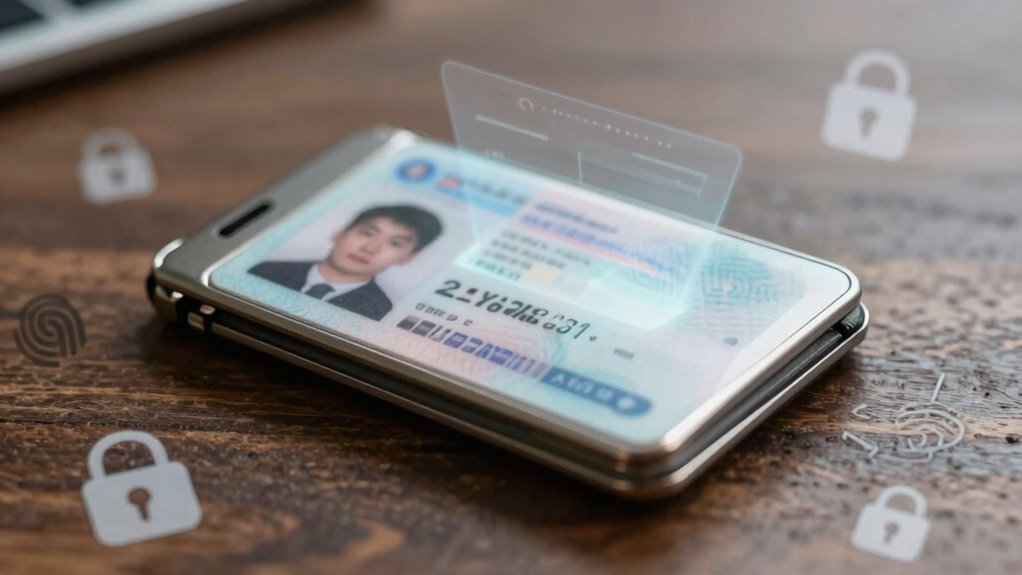

Wallet-based identities offer convenience but fall short of giving you true control over your digital data. They rely on centralized systems managed by third parties, which can limit your privacy, restrict data portability, and leave you vulnerable to breaches or censorship. These systems mainly handle authentication, not full identity management, making it hard to update or revoke credentials independently. To understand how these limitations impact your digital sovereignty and what alternative solutions exist, keep exploring the details.

Get hardware and tech essentials delivered free — and shop member deals
- Fast, free delivery on millions of items
- Access to Prime Big Deal Days deals on October 6–7
- Prime Video, Amazon Music and more included
Key Takeaways
- Wallet-based identities often lack support for digital sovereignty and user control over personal data.
- Centralized systems create single points of failure and security vulnerabilities.
- They primarily focus on authentication, not comprehensive or adaptable identity management.
- Dependence on third-party providers limits data portability and user autonomy.
- They do not address broader issues like decentralization, transparency, and credential revocation.
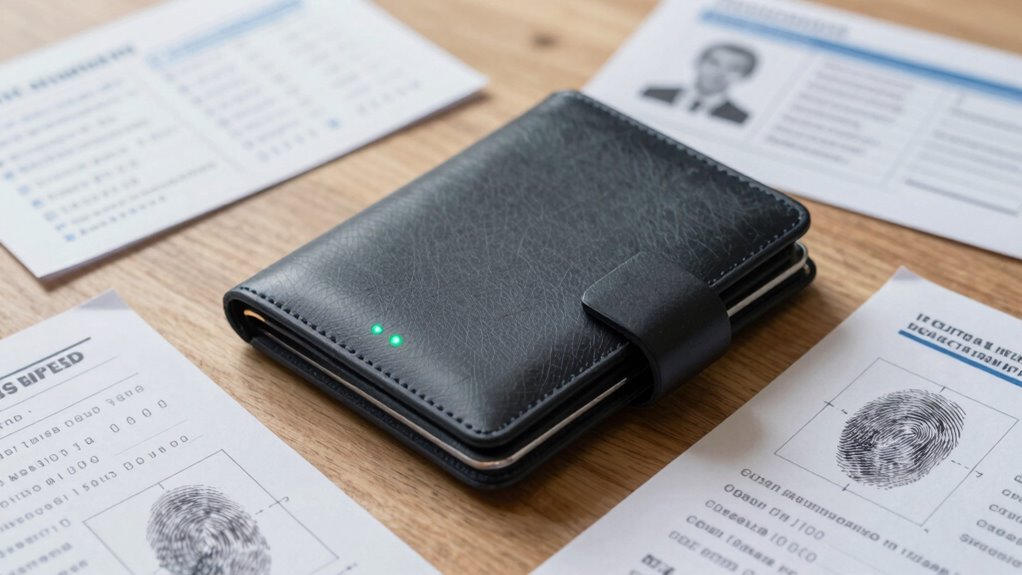
Wallet-based identities are gaining popularity as a way to streamline digital authentication, but they come with significant limitations. While these digital wallets offer a convenient method to prove your identity across various platforms, they often fall short in supporting the broader concepts of digital sovereignty and user autonomy. When you rely solely on a wallet to verify who you are, you’re fundamentally placing your trust in a centralized system that controls your credentials. This setup can limit your ability to manage your identity on your own terms, reducing your control over personal data and how it’s shared or used.
Relying solely on wallet-based identities limits personal control and centralizes authority over your digital credentials.
Digital sovereignty—your right to control your digital presence—is compromised when wallet-based identities are managed by third-party providers. These providers might set rules about what information is accessible or how it’s shared, often without your full understanding or consent. As a user, you might find yourself confined to the policies of a single platform, unable to move your identity data freely if you decide to switch services or delete your account. This dependency diminishes your autonomy, making you more vulnerable to data breaches, surveillance, or even censorship, as your identity is tied to the control of a third party rather than your own. Additionally, the centralized nature of these systems can increase the risk of single points of failure, which could lead to significant security issues. These vulnerabilities highlight the importance of decentralized solutions that empower users rather than restrict them. Furthermore, reliance on centralized wallets can hinder the development of interoperable systems, which are essential for a truly flexible and user-centric digital identity infrastructure. It’s also worth noting that these systems often lack mechanisms for users to easily revoke or update their credentials, which is crucial for maintaining control over one’s digital identity.
Moreover, wallet-based systems tend to be static and narrowly focused on authentication rather than empowering you with all-encompassing control over your digital identity. They do little to foster trust in the long term because your identity is often stored in a way that’s opaque or difficult to verify independently. You might worry about how securely your data is stored or whether it can be easily revoked or updated without bureaucratic hurdles. This lack of flexibility can hinder your ability to adapt your digital identity to changing circumstances or preferences, further limiting your user autonomy. Additionally, the reliance on centralized control can hinder efforts to promote decentralization, which is crucial for enhancing digital sovereignty. When systems are designed with user empowerment in mind, they can better support evolving privacy needs and increased transparency, which are often absent in wallet-only solutions.
While wallet-based identities simplify access and verification, they don’t inherently address the broader issues of digital sovereignty. True user autonomy involves having full control over your identity data, knowing exactly where and how it’s stored, and being able to share only what’s necessary without unnecessary intermediaries. Relying solely on a digital wallet doesn’t guarantee this level of control. It’s an important step towards digital ease but not a complete solution. Without additional systems that prioritize decentralization and user empowerment, wallet-based identities remain incomplete tools for genuine digital independence.
decentralized digital identity wallet
As an affiliate, we earn on qualifying purchases.
As an affiliate, we earn on qualifying purchases.
Frequently Asked Questions
How Do Wallet-Based Identities Handle Biometric Authentication?
Wallet-based identities typically use biometric data as an additional authentication method, ensuring secure access. When you attempt to verify your identity, the system prompts for biometric authentication, like a fingerprint or facial scan. This method enhances security by linking your biometric data directly to your digital wallet, making unauthorized access more difficult. However, relying solely on biometric authentication can pose risks, so multi-factor authentication is often recommended for thorough security.
Can Wallet Identities Be Easily Revoked or Suspended?
You can’t put all your eggs in one basket, and that applies to wallet identities too. They aren’t always easy to revoke or suspend, as identity revocation can be complex and may involve multiple layers of verification. Suspension challenges include ensuring access is temporarily disabled without compromising security. Overall, wallet-based identities need complementary methods, because relying solely on them can make revocation and suspension tricky and less reliable.
What Privacy Concerns Arise With Wallet-Based Identities?
With wallet-based identities, privacy concerns center around data encryption and user consent. You might worry about how your personal data is protected through encryption, ensuring unauthorized parties can’t access it. Additionally, you could be concerned about how much control you have over sharing your information, emphasizing the importance of clear user consent. Without proper safeguards, your privacy could be compromised, making it essential to prioritize encryption and consent in these systems.
How Do Wallet Identities Integrate With Existing Systems?
Think of integrating wallet identities into existing systems as weaving a new thread into a tapestry. You actively establish decentralized trust and empower user sovereignty by connecting wallets with APIs and standards like OAuth. This seamless integration enables systems to verify identities securely without central authority, creating a more resilient and user-controlled digital environment. As you implement these links, you foster a balance between innovation and trust, enhancing overall security and user autonomy.
Are Wallet-Based Identities Compliant With Global Regulations?
Wallet-based identities can be compliant with global regulations, but you need to guarantee they meet specific standards like GDPR, AML, and KYC requirements. You must stay aware of regulatory compliance and legal challenges, as laws differ across jurisdictions. By implementing robust security measures and transparent data practices, you can navigate these complexities effectively, ensuring your wallet-based identity solutions remain compliant while minimizing legal risks.
self-sovereign identity management system
As an affiliate, we earn on qualifying purchases.
As an affiliate, we earn on qualifying purchases.
Conclusion
Relying solely on wallet-based identity might seem convenient, but it leaves gaps in security and trust. Imagine you’re at a busy airport, and your digital wallet is stolen—your personal info could be compromised without additional safeguards. To truly protect yourself, integrate wallet-based identity with multi-factor authentication and other verification methods. This layered approach ensures you’re not vulnerable if just one system fails, giving you peace of mind in an increasingly digital world.
cryptographic credential revocation tools
As an affiliate, we earn on qualifying purchases.
As an affiliate, we earn on qualifying purchases.
privacy-focused digital identity solution
As an affiliate, we earn on qualifying purchases.
As an affiliate, we earn on qualifying purchases.
Halloween Picks
halloween
As an affiliate, we earn on qualifying purchases.