
Identity layers are transforming community access by giving you greater control over your digital identities, privacy, and data. Instead of relying on centralized platforms, you can manage your credentials and permissions securely through decentralized systems. This shift boosts trust, enhances privacy, and allows you to share only what’s necessary with trusted entities. As these systems grow, they’re reshaping how communities connect and protect personal information—discover how this evolution can empower you even further.
Key Takeaways
- Identity layers enable secure, private, and user-controlled access to community resources and services.
- Decentralized identities foster trust and data sovereignty within communities by reducing reliance on central authorities.
- Enhanced privacy protocols protect personal data from misuse, increasing user confidence and participation.
- Blockchain-supported systems ensure transparency and security in managing digital identities.
- These systems promote equitable access and empower individuals through greater control over their data and interactions.
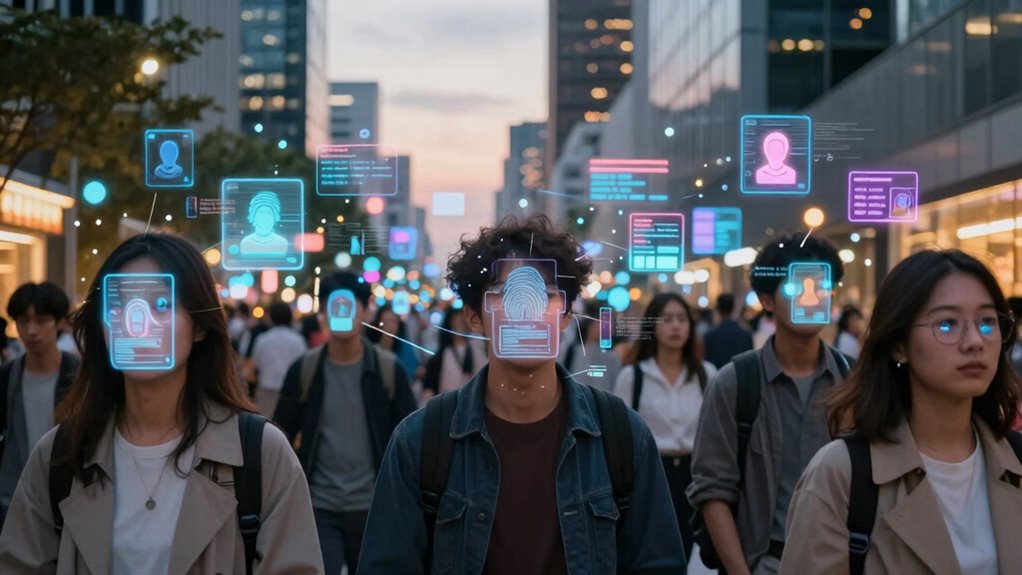
In today’s digital landscape, identity layers are fundamentally transforming how communities access and manage resources. These layers, which include digital identities, credentials, and permissions, enable more seamless and secure interactions online. As you navigate this evolving environment, you’ll find that traditional methods of access—like passwords or simple login credentials—are giving way to more sophisticated systems that prioritize user control and security. But with this shift come important considerations, especially around privacy concerns, data sovereignty, and the importance of secure identity protocols. You might wonder who owns your digital data and how much control you truly have over it. These questions are at the heart of the ongoing debate about privacy and data sovereignty in the context of identity layers.
Identity layers are transforming access, raising important questions about privacy, control, and data sovereignty in the digital age.
With more communities adopting decentralized identity systems, you’re empowered to manage your personal data more effectively. Instead of relying on centralized platforms that hold all your information, you gain the ability to selectively share data with trusted entities. This not only enhances your privacy but also helps mitigate risks associated with data breaches or misuse. When you control your identity layer, you decide what information to reveal and when, giving you a stronger sense of privacy. However, this approach raises privacy concerns because if not implemented securely, malicious actors could exploit vulnerabilities or track your activities across platforms. Ensuring robust privacy protections becomes vital as these systems grow more widespread. As blockchain technology advances, it further supports the development of decentralized identities, providing additional security and transparency.
Data sovereignty plays a crucial role in how communities and individuals perceive their digital rights. When your identity data is stored and managed on decentralized networks, you’re better positioned to uphold your sovereignty over your information. You retain ownership and decide how it’s stored, shared, and used—rather than surrendering control to third-party corporations. This shift can foster greater trust within communities, as members feel more confident that their data isn’t being exploited or sold. Maintaining trust in digital systems is essential for widespread adoption and confidence in these emerging frameworks. Yet, managing data sovereignty also requires you to be vigilant about security protocols and governance standards, ensuring that your data remains protected against unauthorized access or manipulation. As these systems evolve, a robust security infrastructure becomes essential to protect personal information and maintain trust in these emerging systems.
As these identity layers mature, you’ll notice a transformation in community access—making interactions more secure, private, and user-centric. The balance between enhancing privacy concerns and maintaining data sovereignty will determine how effectively these systems serve your needs. Embracing this new paradigm means advocating for transparent policies and secure technologies that prioritize your control over personal information. Ultimately, these identity layers have the potential to reshape community access, empowering you with greater privacy, sovereignty, and trust in the digital realm.

Self-Sovereign Identity: Decentralized digital identity and verifiable credentials
As an affiliate, we earn on qualifying purchases.
As an affiliate, we earn on qualifying purchases.
Frequently Asked Questions
How Do Identity Layers Ensure User Privacy and Data Security?
You can rely on identity layers to protect your privacy and data security through robust data encryption, which shields your information from unauthorized access. They also employ rigorous user verification processes, ensuring only authorized individuals access sensitive data. By combining these features, identity layers create a secure environment where your personal details stay private, and your data remains safe from breaches or misuse, giving you peace of mind in digital interactions.
Can Identity Layers Be Integrated With Existing Community Platforms Seamlessly?
Yes, identity layers can be integrated seamlessly with existing community platforms. During user onboarding, you’ll find that these layers simplify verification processes and enhance security without disrupting current workflows. Platform integration involves using APIs and SDKs that easily connect with your existing infrastructure. This allows you to maintain a smooth user experience while leveraging advanced identity management, ultimately strengthening community access and fostering trust without significant technical hurdles.
What Are the Potential Risks or Drawbacks of Implementing Identity Layers?
Did you know 60% of users worry about data misuse? Implementing identity layers can pose risks like data misuse, where personal info is mishandled, and exclusion risks, where certain members get shut out due to strict verification. You might unintentionally create barriers, making it harder for vulnerable groups to access community resources. Careful planning and privacy safeguards are essential to minimize these drawbacks and guarantee inclusive, secure community platforms.
How Do Identity Layers Impact User Anonymity Within Communities?
Identity layers can impact your anonymity within communities by enabling pseudonymous participation, where you use a consistent identifier without revealing your true identity. This helps preserve your anonymity while still allowing meaningful engagement. You maintain control over your privacy, deciding what information to share, and can participate openly without fear of exposure. Overall, identity layers support anonymity preservation, fostering a safe space for genuine interaction while protecting your personal details.
What Are the Cost Implications of Adopting Identity Layer Solutions?
Adopting identity layer solutions involves initial costs like blockchain integration, which can be expensive upfront. However, you benefit from long-term cost efficiency through reduced fraud and streamlined verification processes. You might also save on manual admin work and improve trust within your community. While setup costs are significant, the ongoing savings and enhanced security make it a worthwhile investment for sustainable, scalable community access management.

Blockchain for Information Security and Privacy
As an affiliate, we earn on qualifying purchases.
As an affiliate, we earn on qualifying purchases.
Conclusion
As you embrace these identity layers, think of them as keys unfastening doors to deeper community connections. Each layer symbolizes a unique story, a piece of your true self, fostering trust and understanding. Just like a master key opens many doors, your authentic identity can bridge gaps and create inclusive spaces. When you let your true self shine through, you’re not just opening doors—you’re illuminating the path for others to follow, transforming communities from within.

Wejoin Identity Privacy Protection Roller Security Stamp 2-Pack – Guard Your ID with Adjustable Ink, Built-in Cutter & Flip Cover Design, Compact Security Tool for Document & Mail Privacy (Pink)
- Privacy Protection: Obscures personal data on documents
- All-in-One Design: Flip cover and built-in safety cutter
- Premium Material: Made from durable ABS plastic
As an affiliate, we earn on qualifying purchases.
As an affiliate, we earn on qualifying purchases.

Self-Sovereign Identity: Decentralized digital identity and verifiable credentials
As an affiliate, we earn on qualifying purchases.
As an affiliate, we earn on qualifying purchases.