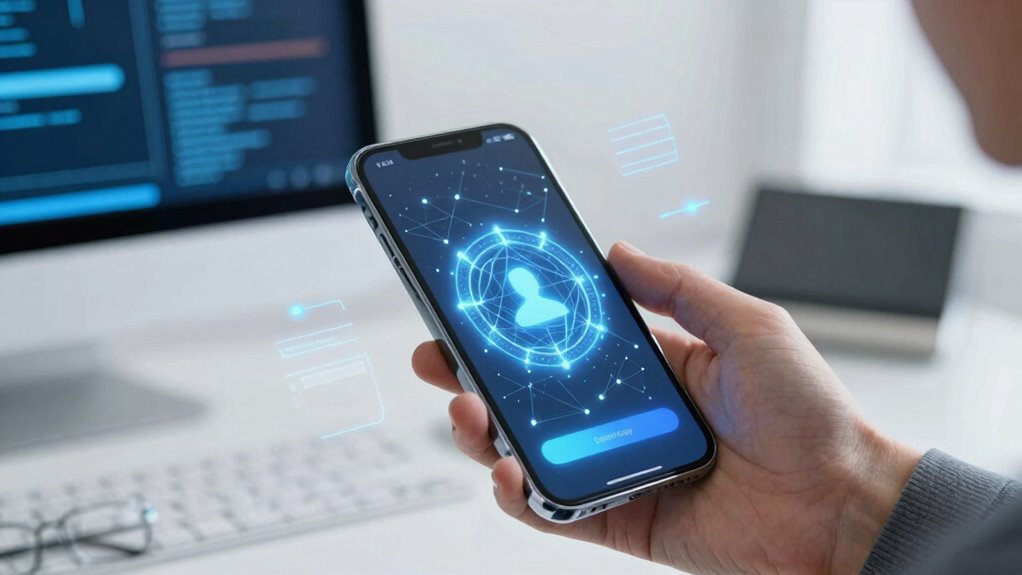

Decentralized identity puts you in full control of your personal data, making sign-ins safer and more private. With blockchain, your identity is secure, tamper-proof, and only shared when you choose. This reduces reliance on passwords and third-party providers, so you experience faster, simpler logins. You act as the gatekeeper of your information, building trust and reducing fraud risks. To discover how this new system could change your online security, keep exploring the details.

Get hardware and tech essentials delivered free — and shop member deals
- Fast, free delivery on millions of items
- Access to Prime Big Deal Days deals on October 6–7
- Prime Video, Amazon Music and more included
Key Takeaways
- Decentralized identity enables users to control their credentials, reducing reliance on centralized authentication systems.
- Blockchain ensures tamper-proof verification, making sign-ins more secure and resistant to fraud.
- Users can share only necessary information, enhancing privacy and minimizing data exposure during sign-ins.
- Self-sovereign identities streamline access across platforms, eliminating multiple passwords and verification steps.
- Trustworthy, immutable identities foster a more reliable and user-centric online authentication experience.

With blockchain verification, your identity is verified through cryptographic techniques that are both secure and transparent. When you log into a platform, your decentralized identity allows you to prove who you are without revealing unnecessary details. For example, if you need to confirm your age or employment status, you can do so without sharing your entire personal profile. This method enhances user privacy because only the relevant proof is shared, not your full data set. You become the gatekeeper of your information, choosing what to disclose and when, which markedly improves your user privacy compared to traditional sign-in processes that often involve sharing sensitive credentials repeatedly.
Decentralized sign-ins also streamline the user experience. Instead of juggling multiple passwords for different sites, you can use one decentralized identity across various platforms. This not only simplifies your digital life but also minimizes the chances of forgetting passwords or falling victim to phishing attacks. Since your identity is managed through secure blockchain verification, the authentication process becomes faster and more reliable. You no longer need to reset passwords or go through cumbersome verification steps, saving you time and frustration. Additionally, these systems are designed to be tamper-proof, with blockchain-based security ensuring that your identity data remains unaltered. Utilizing cryptography further enhances the security of your data, making it even more difficult for malicious actors to breach your identity.
Furthermore, these systems are designed to be tamper-proof. Blockchain’s immutable nature ensures that once your identity data is verified and stored, it cannot be altered or manipulated. This security feature makes it extremely difficult for hackers to forge identities or compromise your account. With decentralized identity, you’re also less dependent on third-party providers that might mishandle your data or experience security breaches themselves. Instead, you hold the keys to your digital identity, giving you peace of mind about your online security and privacy. Additionally, because blockchain provides tamper-proof security, your data remains safe from unauthorized alterations. This technology also supports user control, allowing you to decide precisely what information to share and when. Moreover, the concept of self-sovereign identity empowers individuals to have full ownership over their digital identities, reducing reliance on centralized authorities.
decentralized identity security device
As an affiliate, we earn on qualifying purchases.
As an affiliate, we earn on qualifying purchases.
Frequently Asked Questions
How Secure Is Decentralized Identity Against Hacking Attempts?
Decentralized identity is generally secure against hacking because it relies on data encryption and robust identity verification methods. You store your credentials locally or on trusted devices, reducing the risk of large-scale breaches. Plus, decentralized systems often use cryptographic techniques, making it extremely difficult for hackers to tamper with or steal your identity. Overall, this approach offers a safer alternative to traditional centralized login systems.
Can Decentralized Identities Be Easily Integrated With Existing Systems?
Integrating decentralized identities into existing systems can be quite a smooth journey if you plan carefully. While it may require some updates to your infrastructure, the enhanced user experience and potential for increased user adoption make it worthwhile. Many platforms are developing adaptable tools, making the shift easier. With thoughtful implementation, you’ll find that decentralized identities can seamlessly complement your current setup, fostering trust and convenience for your users.
What Are the Privacy Implications of Decentralized Sign-Ins?
Decentralized sign-ins enhance your privacy by prioritizing data sovereignty and user control. You decide what personal information to share, reducing risks of data breaches. This approach minimizes third-party access, giving you greater control over your digital identity. However, it also places responsibility on you to manage your credentials securely. Overall, decentralized sign-ins empower you to protect your privacy while maintaining seamless access across platforms.
How Do Decentralized Identities Handle Multi-Factor Authentication?
Decentralized identities handle multi-factor authentication by empowering you to control multiple credentials securely. You manage your credentials directly, adding layers like biometrics, passwords, or hardware tokens, all within your digital wallet. This user empowerment means you decide which factors to activate for each login, enhancing security and privacy. Credential management becomes simpler and more flexible, giving you seamless access while maintaining full control over your authentication methods.
What Are the Costs Associated With Implementing Decentralized Identity Solutions?
You face costs tied to implementing decentralized identity solutions, balancing initial investments against long-term benefits. The cost analysis includes infrastructure setup, security measures, and ongoing maintenance, which can be significant. Yet, these challenges contrast with the ease of user control and privacy enhancements they offer. Implementation challenges like technical complexity and integration hurdles demand careful planning. Ultimately, weighing these costs against the potential for more secure, user-centric sign-ins shapes your decision-making process.
blockchain-based digital identity wallet
As an affiliate, we earn on qualifying purchases.
As an affiliate, we earn on qualifying purchases.
Conclusion
Imagine a world where your identity is a trusted compass, guiding you effortlessly through digital domains without the weight of endless passwords. Decentralized identity acts like a keyring, holding all your access passes securely in your hand. With this innovation, sign-ins become a smooth dance, freeing you from the tangled web of centralized control. Embrace this shift, and reveal a future where your digital self is truly yours—powerful, private, and unstoppable.
self-sovereign identity authentication key
As an affiliate, we earn on qualifying purchases.
As an affiliate, we earn on qualifying purchases.
cryptographic identity verification hardware
As an affiliate, we earn on qualifying purchases.
As an affiliate, we earn on qualifying purchases.
Fall Picks
fall essentials
As an affiliate, we earn on qualifying purchases.