
TL;DR

Get hardware and tech essentials delivered free with Prime
- Fast, free delivery on millions of items
- Prime Video, Amazon Music and more included
- Member-only deals all year
Hardware wallets store private keys offline, reducing theft risk. They’re vital for large holdings, but must be used correctly. Proper backups and cautious handling are key to safety.
Imagine holding a treasure chest—locked tight, hidden well. That’s what a hardware wallet does for your crypto: it keeps your keys safe from hackers, malware, and accidental leaks. But it’s not a magic bullet. Knowing how these devices work, their limitations, and how to set them up makes all the difference between peace of mind and a costly mistake.
If you’re serious about protecting your crypto, this guide will walk you through what makes a hardware wallet a powerful tool, how to choose the right one, and the simple steps to keep your holdings secure for the long haul. Ready to armor your digital wealth?
A hardware wallet isolates your private keys from online threats, making it essential for large crypto holdings.
Always generate and back up your recovery phrase securely—metal backups are best for durability against fire and water damage.
Verify transaction details on your device’s secure screen—never approve transactions blindly or via compromised interfaces.
Choosing the right device depends on your assets, security needs, and comfort with open-source versus proprietary hardware.
Regularly update firmware, test recovery procedures, and stay vigilant against phishing and social engineering tricks.
What Makes a Hardware Wallet the Best Shield for Crypto?
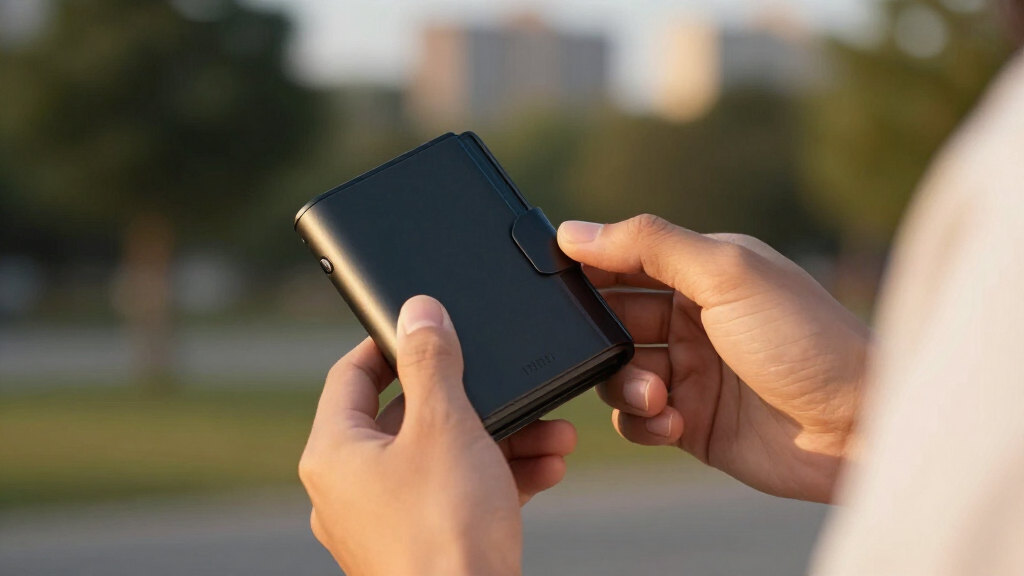
At its core, a hardware wallet is a small, dedicated device that stores your private keys offline. Think of it as a safe deposit box, isolated from your internet-connected phone or computer. Private keys are what authorize transactions, and losing control of them is like losing access to your bank account.
Most wallets generate or import keys inside the device. When you want to send crypto, the wallet signs the transaction internally, never revealing your keys. You then verify details like address and amount on its own screen, making sure you’re not fooled by a phishing attack.
For example, a Ledger Nano X or Trezor Model T are popular choices because they generate keys in hardware and display transaction details on a secure screen. This process makes it significantly harder for malware or hackers to steal your funds compared to software wallets stored on your phone or PC.
Understanding why these features matter is crucial: by keeping keys offline and requiring physical confirmation on a secure display, hardware wallets drastically reduce the attack surface. However, they are not invincible—if you fall for social engineering, or if your recovery phrase is compromised, your security can still be breached. This highlights the importance of combining hardware security with user awareness and good practices.
As an affiliate, we earn on qualifying purchases.
How to Pick the Right Hardware Wallet for Your Needs
Choosing a hardware wallet isn’t just about brand names. You need to consider your assets, risk levels, and how you plan to use it. Here’s a simple comparison to help:
| Feature | Ledger Nano X | Trezor Model T | Coldcard |
|---|---|---|---|
| Connectivity | USB, Bluetooth | USB, MicroSD | USB only |
| Supported Assets | Many coins, tokens | Many coins, tokens | Bitcoin only |
| Open Source | Firmware partially open | Open source firmware | Open source firmware |
| Security Features | Secure element + microcontroller | Secure element + open hardware | Secure element + tamper resistance |
Evaluating these features allows you to match your security needs and asset diversity. For instance, if you hold only Bitcoin, a device optimized for that coin might suffice, but if you manage multiple assets, support for a wide range of tokens and multi-asset management becomes important. Open-source firmware offers transparency, enabling the community to review security, but it may require more technical understanding. Multi-signature support and robust security architecture are especially important for large or institutional holdings, as they distribute control and reduce single points of failure—though they add complexity and require proper setup.
As an affiliate, we earn on qualifying purchases.
Step-by-Step: Setting Up Your Hardware Wallet Without Mistakes
- Buy from a trusted, authorized seller to avoid tampered devices.
- Unbox and verify the packaging seals—look for signs of tampering.
- Initialize the device yourself, generating a new recovery phrase.
- Write down the 12 or 24 words on a physical, fireproof backup (metal if possible).
- Store the backup offline in a secure, separate location.
- Set a strong PIN on the device for daily access.
- Optional: add an extra passphrase for higher security—be careful to remember it!
- Verify address details on the device’s screen before sending any funds.
- Test with a small transaction to confirm everything works smoothly.
- Periodically test your recovery process to ensure you can restore if needed.
This process turns a complex setup into a straightforward routine. Practice with small amounts first. When you’re confident, transfer larger holdings, knowing your backup is solid.
Deepening your understanding of each step’s importance helps prevent mistakes. For example, physically verifying the recovery phrase and transaction details ensures that no malicious software or phishing attack has manipulated your device or computer. Regular testing of recovery procedures confirms you can restore access in emergencies, which is critical as holdings grow. This disciplined approach minimizes risks and builds confidence in your security setup.
As an affiliate, we earn on qualifying purchases.
Common Risks Hardware Wallets Still Can’t Eliminate — Be Aware
A hardware wallet isn’t foolproof. It can’t stop you from clicking malicious links or approving dangerous transactions. Phishing remains a major threat—if someone tricks you into revealing your recovery phrase or signing a fake contract, your assets are at risk.
Other vulnerabilities include clipboard hacking, address poisoning, and malware that manipulates transaction details. For example, malware can alter the recipient address displayed on your device, leading to lost funds. Physical attacks—such as theft or tampering—are also a concern if your recovery phrase isn’t securely stored. The key implication is that hardware wallets are part of a layered security approach; they significantly reduce risk but do not eliminate it entirely. User vigilance, education, and secure handling practices are essential to truly safeguard your assets from social engineering, scams, and hardware compromise.
For instance, a user might receive a fake email prompting them to re-enter their seed phrase into a malicious website, or a malware might intercept transaction details on a compromised computer. These scenarios underscore why awareness and cautious behavior are just as important as hardware security features—technology alone cannot prevent all human errors or targeted scams.
As an affiliate, we earn on qualifying purchases.
Latest Trends That Are Changing Hardware Wallet Security
In recent years, manufacturers have improved transaction decoding, making it easier to understand exactly what you’re signing. Devices now display human-readable descriptions of smart-contract actions, reducing blind signing errors.
Some vendors introduce backup services that split recovery info among multiple custodians, offering extra security against loss. Others experiment with seedless or card-based wallets, trading traditional seed phrases for biometric or cloud-assisted recovery—though these come with their own trade-offs.
Multisignature setups are gaining popularity, especially for businesses, as they distribute control. The goal is to make your assets less vulnerable to a single point of failure, but they demand more coordination and understanding.
All these advances aim to balance security, usability, and privacy—key aspects to consider before choosing a device or setup.
Understanding these trends helps users make informed decisions about future-proofing their crypto security, as new methods and innovations continue to evolve. For example, multisignature arrangements can significantly enhance security for organizations, but they also require more complex management and understanding of cryptographic protocols. Similarly, seedless wallets or biometric backups may improve convenience but introduce new risks, such as biometric data theft or reliance on cloud services. Staying updated allows you to weigh trade-offs carefully and adopt solutions aligned with your security philosophy.
How to Compare Hardware Wallets Effectively
When shopping, don’t just look at the brand. Focus on the security architecture, open-source transparency, and community audits. Check if the device supports your assets and how it integrates with your existing wallets. Consider connectivity options—USB, Bluetooth, NFC—based on your use case.
Ask yourself:
- Does the device resist physical tampering?
- Is the firmware regularly updated and audited?
- How easy is recovery if the device fails?
- Does it support multisignature setups?
- Are the backup options safe and practical?
Matching these criteria to your specific needs ensures that you choose a device that offers the right balance of security, usability, and compatibility. Remember, a cheaper device may lack critical security features, while a more expensive one might be overkill for simple holdings. Prioritize your risk profile and long-term security goals when evaluating options.
Your Quick Checklist for Secure Setup and Storage
Follow these steps to maximize security:
- Buy from reputable sources—avoid gray market or unknown sellers.
- Verify packaging and device authenticity upon arrival.
- Initialize the device yourself, generating a new recovery phrase.
- Write down the phrase on durable, offline media; never photograph it or save digitally.
- Store backups in separate, secure locations—ideally in a fireproof safe.
- Set a strong PIN; consider an extra passphrase if comfortable with complexity.
- Test the recovery process by restoring from your seed phrase on a different device.
- Send a small test transaction—verify the address on the device’s screen.
- Regularly review permissions and update firmware from official sources.
Building good habits now makes your crypto safer tomorrow. Treat your recovery phrase like a treasure map—protect it fiercely. Recognizing the importance of each step ensures you understand the implications: a single oversight, like storing your seed digitally or neglecting recovery testing, can jeopardize your entire holdings. Consistency and vigilance in these practices create a resilient security posture, minimizing the chance of catastrophic loss due to human error or device failure.
Frequently Asked Questions
Does a hardware wallet actually hold cryptocurrency?
No, it holds the private keys that control your crypto. The assets stay on the blockchain; the wallet just signs transactions on your behalf.
Is a hardware wallet safer than a software wallet?
Generally, yes—especially for large or long-term holdings. Hardware wallets keep keys offline, far from malware and hacking attempts. For small, frequent trades, a software wallet might suffice, but always weigh the risk.
Can a hardware wallet be hacked?
While highly resistant, no device is completely invulnerable. Attacks can target firmware, supply chain, or physical access. Good models with secure elements and open-source firmware make successful attacks significantly harder.
What happens if the device is lost or broken?
As long as your recovery phrase is secure and intact, you can restore your wallet on a new device. Always test recovery procedures before transferring large amounts.
Should I store my recovery phrase digitally?
No. Digital storage—like cloud notes or emails—exposes your recovery phrase to remote theft. Keep it offline, in a safe place, ideally in metal, and never share it online.
Conclusion
A hardware wallet is a powerful tool but not a magic shield. Its strength lies in proper use, cautious handling, and regular practice. Think of it as a trusted vault—only as secure as the care you put into it.
Remember, safeguarding your crypto means combining technology with awareness. Keep your backups safe, verify every transaction, and never let your guard down. Your digital wealth deserves nothing less.
Halloween Picks
halloween
As an affiliate, we earn on qualifying purchases.