
TL;DR

Get hardware and tech essentials delivered free with Prime
- Fast, free delivery on millions of items
- Prime Video, Amazon Music and more included
- Member-only deals all year
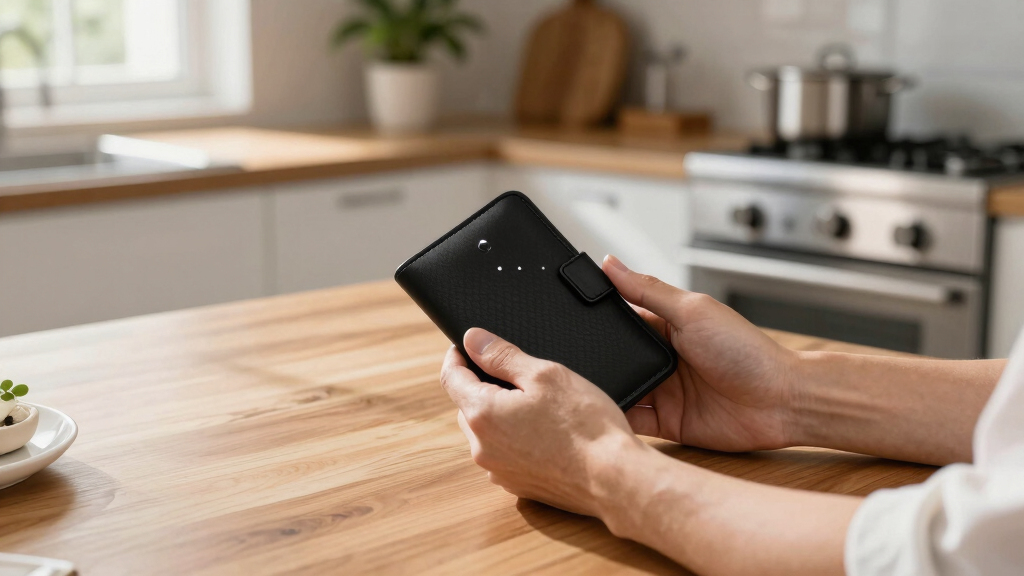
Hardware wallets are physical devices that store private keys offline, offering top-tier security for your cryptocurrencies. Recent upgrades include biometric security and wireless connectivity, making them more user-friendly and trustworthy.
Imagine holding a treasure chest of gold, but instead of locking it in a bank vault, you keep the keys to it in your pocket. That’s what a cryptocurrency hardware wallet does—protects your private keys offline, far from the reach of hackers and malware.
If you’re serious about safeguarding your digital assets, understanding hardware wallets is a must. They’re not just gadgets; they’re your fortress in the wild world of crypto. This guide will show you what makes them secure, recent tech upgrades, and how to pick the right one for your needs.
Hardware wallets store private keys offline, making them the most secure choice for long-term crypto storage.
Recent innovations like biometric security and wireless connectivity improve usability without sacrificing safety.
Always safeguard your recovery seed—it’s the key to your crypto kingdom in case of device loss.
Compare features and costs carefully to pick a wallet that matches your crypto holdings and lifestyle.
Despite their strength, hardware wallets require cautious handling—physical loss or user error can still threaten your assets.
What Makes Hardware Wallets the Safest Way to Store Crypto?
Hardware wallets are physical devices designed to keep private keys offline, away from internet threats. Think of them as a vault, where your keys never leave the device during transactions. For example, when you want to send Bitcoin, you connect the wallet, sign the transaction offline, and then broadcast it—no exposure to online hacking.
Features like PIN codes, passphrases, and tamper-resistant chips add layers of security. The recovery seed—a list of 12 to 24 words—acts like a master key, letting you restore access if the device is lost or damaged. Basically, your crypto is safe as long as you keep that seed secure.
Understanding why hardware wallets are trusted hinges on their ability to isolate private keys from potential online vulnerabilities. This separation creates a significant security advantage; even if your computer is compromised, your private keys remain protected within the device. This is a deliberate tradeoff—while it may be less convenient for frequent transactions, it drastically reduces the attack surface for hackers. Supporting multiple cryptocurrencies makes them versatile, but it also means they are often equipped with sophisticated security mechanisms tailored for different assets, reinforcing their role as a secure, multi-purpose vault.
As an affiliate, we earn on qualifying purchases.
Latest Innovations Making Hardware Wallets Smarter and Easier to Use
Recent updates have turned hardware wallets into tech marvels. Devices like Ledger Nano X and Trezor Model T now sport Bluetooth and NFC, letting you manage crypto on your phone without cables. No more fumbling with wires—just tap and go.
Biometric security, such as fingerprint sensors, adds a futuristic layer of protection. These features not only enhance security but also improve user experience, making it easier to authenticate transactions quickly and securely. Open-source firmware allows community reviews, boosting trustworthiness. For instance, community audits have caught vulnerabilities early, making these wallets more reliable.
Supporting DeFi interactions and NFTs means these wallets are evolving from simple storage devices to integral parts of decentralized ecosystems. This expansion allows users to stake, swap, or sell NFTs directly from their hardware wallets, reducing reliance on potentially insecure third-party platforms. These innovations demonstrate a shift towards more integrated, user-friendly, and secure crypto management, but they also introduce new considerations—such as ensuring compatibility and understanding the security implications of new features—that users must evaluate carefully.
As an affiliate, we earn on qualifying purchases.
How to Choose the Right Hardware Wallet for Your Needs
Picking a hardware wallet isn’t just about brand names. Consider your crypto holdings, budget, and how much convenience matters. Here’s a quick step-by-step:
- Determine your supported cryptocurrencies—Bitcoin, Ethereum, tokens, NFTs. The importance of this step lies in ensuring your specific assets are compatible; choosing an incompatible wallet could limit your ability to manage certain tokens or require additional steps, which could complicate your security setup.
- Check connectivity options—USB, Bluetooth, NFC—based on your device preferences. Compatibility with your daily devices affects ease of use and the likelihood of user error, which can compromise security if not properly managed.
- Assess security features—biometrics, tamper-proof design, recovery seed options. The tradeoff here involves balancing convenience with security; for example, biometric features improve ease but may introduce new attack vectors if not implemented securely.
- Compare costs—most range from $50 to $200, depending on features. Higher-priced models often include advanced security features or ecosystem integrations, but it’s important to evaluate if these are necessary for your security level and usage habits.
- Read reviews and community feedback, especially on open-source transparency. Feedback from experienced users can reveal potential vulnerabilities or usability issues that aren’t apparent from specifications alone, helping you make a more informed choice.
For example, if you’re an active trader, a wallet with Bluetooth and a user-friendly app might suit you best. If you’re holding a large stash long-term, prioritizing security features and recovery options makes more sense, since the primary concern shifts from convenience to safeguarding assets over time.
AmazonAs an affiliate, we earn on qualifying purchases.
Hardware Wallets vs. Software Wallets: Which Is Safer and Why?
Feature Hardware Wallet Software Wallet Security Private keys stored offline, highly resistant to hacking Keys stored on internet-connected device, more vulnerable Convenience Requires physical device, slightly less quick for frequent trades Accessible via apps or browsers, faster for daily use Cost $50–$200 Free or low-cost Risk Physical loss or damage Hacking, malware, phishing attacks Choosing between them depends on your priorities. For large, long-term holdings, hardware wallets win on security because they effectively isolate private keys from online threats, significantly reducing the risk of theft through hacking. However, they can be less convenient for everyday transactions, which is where software wallets excel—offering quick access but at the cost of increased vulnerability to malware and phishing attacks. Understanding these tradeoffs helps you align your storage method with your security needs and trading habits, ensuring your assets are protected while maintaining manageable access.
AmazonAs an affiliate, we earn on qualifying purchases.
Practical Tips to Keep Your Hardware Wallet Safe
- Never share your recovery seed with anyone. It’s your master key.
- Keep your device in a secure place—like a safe or locked drawer.
- Use strong, unique PINs and passphrases on the device.
- Buy directly from manufacturers or trusted resellers to avoid tampered devices.
- Regularly update firmware to patch security vulnerabilities.
Imagine losing your device at a coffee shop. If your seed is secure, your funds can still be recovered on a new device. That’s why safeguarding your seed is non-negotiable. Additionally, consider using multiple layers of security, such as setting up a passphrase in addition to your PIN, which adds an extra barrier even if someone compromises your device physically. Always verify firmware updates from official sources to prevent malicious tampering. These practices collectively ensure that your crypto assets remain protected against both physical and digital threats.
What Are the Main Risks When Using Hardware Wallets?
While hardware wallets are highly secure, they’re not invincible. Physical loss, theft, or damage can put your assets at risk—especially if the recovery seed isn’t stored securely. User error during setup, such as accidentally revealing your seed or mishandling security procedures, can also compromise your holdings. For instance, writing down your seed on a piece of paper and leaving it in an insecure location exposes your assets to theft or damage from environmental hazards. Additionally, counterfeit or tampered devices bought from untrusted sources pose a significant threat, as they may contain malicious hardware or firmware designed to steal your private keys.
To mitigate these risks, always buy from reputable sources, keep your seed private and secure, and consider advanced protections like multi-signature setups. Multi-signature wallets require multiple keys to authorize transactions, adding an extra layer of security that can help prevent unauthorized access even if one device or seed is compromised. Being aware of these vulnerabilities and proactively implementing safeguards ensures your assets remain protected despite inherent risks.
Frequently Asked Questions
Are hardware wallets really safe for long-term storage?
Yes, when used properly, hardware wallets are considered the safest way to store large amounts of crypto offline. They keep private keys away from online threats like hacking and malware.How difficult is it to set up a hardware wallet?
Setting up a hardware wallet involves connecting the device, creating a PIN, and writing down your recovery seed. Most guides are straightforward, and manufacturers provide step-by-step instructions.Can I recover my crypto if my hardware wallet is lost or broken?
Absolutely. Using your recovery seed, you can restore your wallet on a new device. That seed is your backup, so keep it in a safe place.What cryptocurrencies can I store on hardware wallets?
Most support Bitcoin, Ethereum, and a wide range of altcoins and tokens. Always check compatibility before buying, especially if you hold niche assets.Are hardware wallets worth the cost?
For substantial holdings or long-term investors, they’re a smart investment. They offer peace of mind against theft and hacking, protecting your financial future.Conclusion
Think of your hardware wallet as a high-tech safe. It’s a powerful tool, but only if you handle it with care. Protect your recovery seed, buy from trusted sources, and stay updated on firmware upgrades.
In the end, a hardware wallet isn’t just a device—it’s your fortress in a digital world filled with threats. Keep it secure, and your crypto stays yours.
Nothing in this article is financial or investment advice. Cryptocurrency and precious-metal investments carry significant risk — do your own research and consider a licensed advisor.HALLOWEEN Halloween Picks
halloweenhalloween
As an affiliate, we earn on qualifying purchases.