

So, you've probably heard about El Salvador's recent $1.4 billion loan from the IMF and its impact on Bitcoin. The government's made some notable changes, allowing businesses to accept Bitcoin voluntarily while still keeping it as legal tender. But there are also new restrictions in place for public sector engagement. Curious about how these shifts might affect the future of cryptocurrency in the country? The story unfolds further with some intriguing developments.
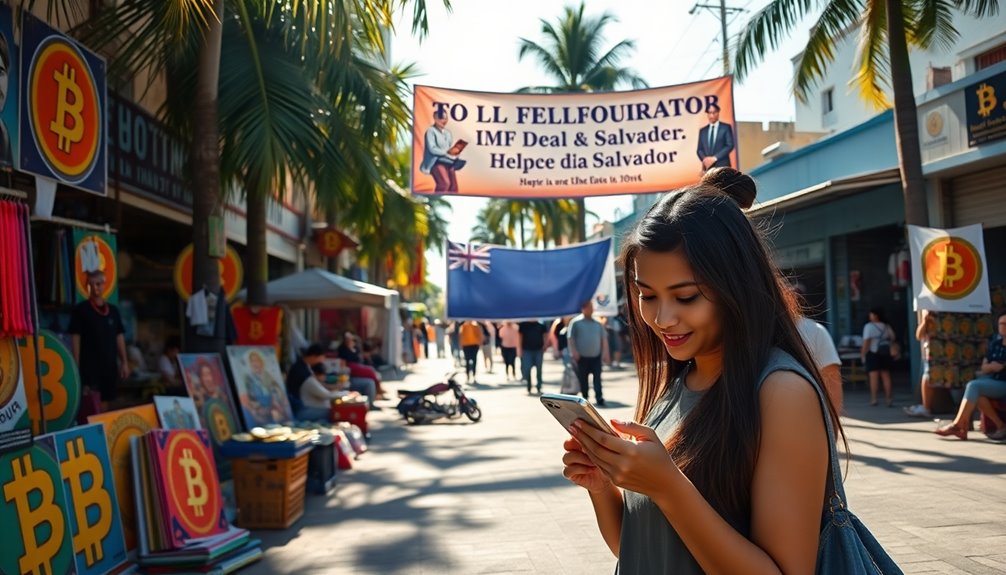
Since El Salvador became the first country to adopt Bitcoin as legal tender, its journey has seen significant twists, especially following a recent deal with the IMF. The latest development allows Bitcoin acceptance to be voluntary for businesses, a shift resulting from an amendment to the original Bitcoin Law. While Bitcoin retains its legal tender status alongside the U.S. dollar, this change reflects the government's attempt to balance innovation with fiscal responsibility amid international scrutiny.
The IMF's involvement has been crucial, especially with El Salvador securing a $1.4 billion loan as part of a broader financial package aimed at stabilizing the economy. This loan facilitates the country's efforts to address its fiscal challenges while simultaneously mitigating the risks associated with Bitcoin. The agreement specifically limits government involvement in Bitcoin transactions, easing concerns from both the IMF and the international community. Bitcoin's legal tender status has created a unique case for other nations to observe as they navigate similar challenges.
You might find it interesting that the swift congressional approval of this amendment highlights the government's commitment to maintaining its stance on Bitcoin, even as it adapts to external pressures.
Under the new agreement, public sector engagement with Bitcoin is now restricted, which means tax payments must be made in U.S. dollars rather than Bitcoin. This marks a significant shift in policy and reflects a move towards greater fiscal stability. Additionally, there are plans to phase out or sell the government-backed Chivo wallet, although private Bitcoin wallets will remain functional within the market. This change emphasizes the need for a more balanced approach to cryptocurrency, encouraging private innovation while limiting public sector risk.
The agreement also paves the way for regulatory enhancements aimed at improving transparency and supervision of digital assets. Anti-Money Laundering and Counter-Financial Terrorism measures are in the spotlight, with efforts underway to establish a robust anti-corruption framework.
As reforms align with international best practices, you can expect to see heightened fiscal transparency that benefits both the government and its citizens.

Bitkey Bitcoin Hardware Wallet - Secure Wallet for Self Custody, No Seed Phrase, 2-of-3 Multisig Security, NFC Device, iOS and Android Compatible
- Self Custody Bitcoin Wallet: Secure full control of your bitcoin
- No Seed Phrase Needed: Reduces risk of loss or theft
- Multisig Security Architecture: Requires 2-of-3 approvals for transactions
As an affiliate, we earn on qualifying purchases.
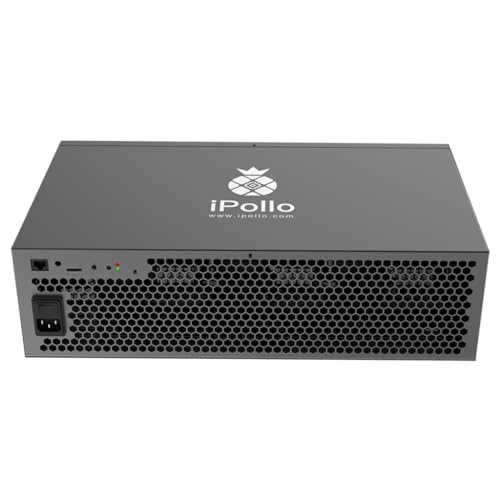
New iPollo V2H Hydro Miner 3400MH/s 475W ETC Ethereum Classic ETHW ETHF ZIL Octa with HYD Water Cooling Super with Original PSU and Cord Quiet Home Mining by OEMGMINER (iPollo V2H 3400M)
- High Hash Rate: 3400MH/s for efficient mining
- Low Power Consumption: 475W for energy savings
- Supports Multiple Cryptos: ETC, ETHW, ETHF, ZIL, and more
As an affiliate, we earn on qualifying purchases.

Mining Rig Frame for 12GPU, Steel Open Air Miner Mining Frame Rig Case, Support to Dual Power Supply for Crypto Coin Currency Bitcoin ETH ETC ZEC Mining Tools - Frame Only, Fans & GPU is not Included
- GPU Slots: Supports 6, 8, or 12 GPUs
- Power Support: Supports dual ATX power supplies
- Material: Made of durable stainless steel
As an affiliate, we earn on qualifying purchases.