
TL;DR
A pilot program is testing daily postpartum check-ins for first-time mothers discharged before six weeks. The initiative aims to address gaps in postpartum care and improve recovery outcomes through personalized, at-home support.
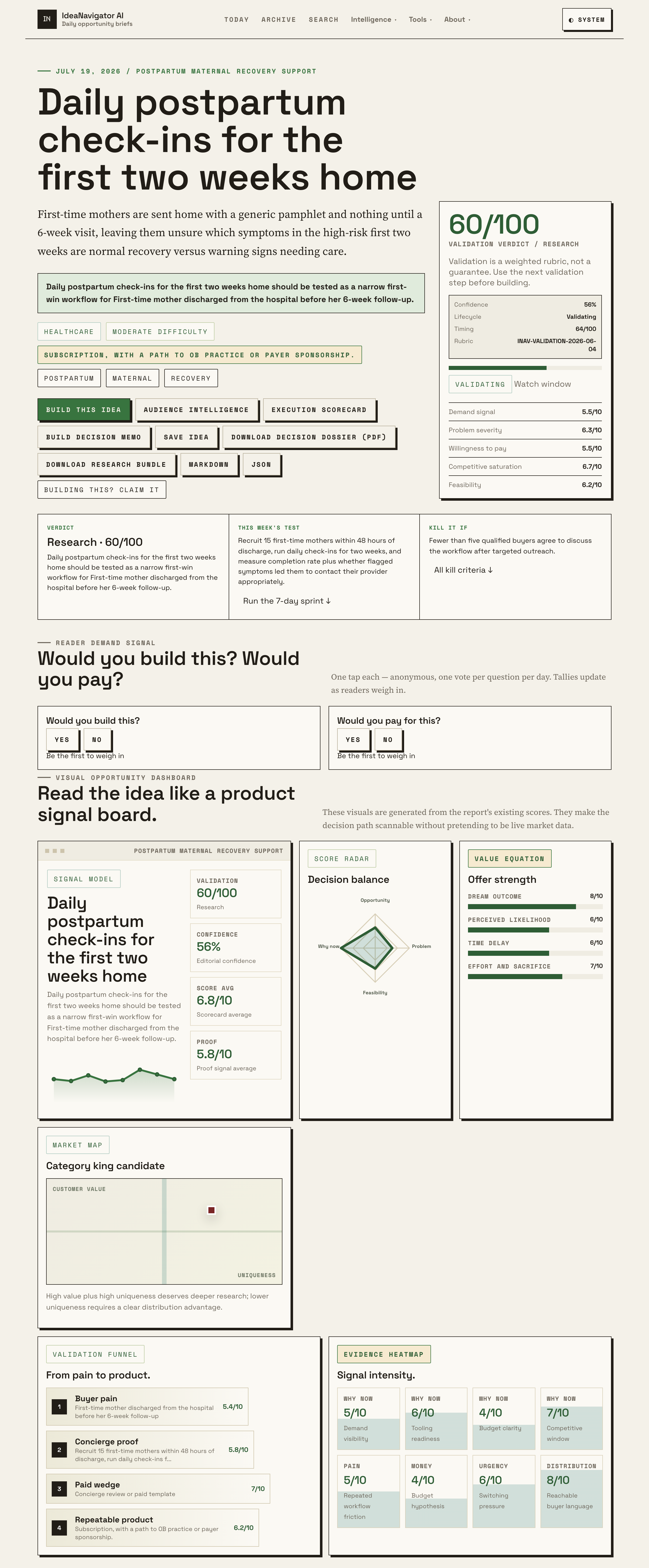
A pilot program is underway to provide daily postpartum check-ins for first-time mothers discharged from hospitals before the standard six-week follow-up. This initiative aims to address the gap in postpartum care during the high-risk first two weeks after delivery, when mothers often receive minimal guidance and monitoring. The program involves personalized check-ins via smartphones, designed to surface symptoms that may require medical attention and support maternal well-being.
The pilot targets first-time mothers discharged early, offering daily assessments based on a recovery profile built from delivery details, feeding method, and mental health baseline. The check-ins deliver tailored recovery tips and prompt mothers to contact healthcare providers if concerning symptoms are flagged. This approach aims to reduce postpartum complications and improve maternal confidence during the critical initial recovery period.
According to an anonymous researcher involved in designing the program, the initiative is intended as a narrow first-step workflow to evaluate feasibility and effectiveness. The program will recruit 15 participants within 48 hours of discharge, measuring completion rates and whether flagged symptoms lead to appropriate medical contact. The model is designed to be sustainable via subscription, with potential sponsorship from OB practices or payers.
Potential Impact on Postpartum Care Standards
This program could significantly improve postpartum support for first-time mothers, a group often underserved during the vulnerable initial weeks after childbirth. By providing daily, personalized check-ins, it aims to catch complications early, reduce hospital readmissions, and foster better mental health outcomes. If successful, it could influence future postpartum care protocols and encourage broader adoption of remote monitoring solutions, especially as maternal health awareness campaigns highlight the postpartum gap.
As an affiliate, we earn on qualifying purchases.
Addressing the Postpartum Care Gap
Current postpartum care typically involves a single in-person visit at six weeks, with minimal structured follow-up during the first two weeks. Experts and maternal health advocates have called for improved support during this period, citing risks such as postpartum depression, infections, and other complications that often go unnoticed. Smartphone technology and telehealth solutions have made daily remote check-ins feasible, prompting pilot programs like this to test their effectiveness in real-world settings.
“This initiative aims to fill the critical gap in postpartum care by providing personalized, daily support during the first two weeks at home.”
— an anonymous researcher
at-home postpartum check-in device
As an affiliate, we earn on qualifying purchases.
As an affiliate, we earn on qualifying purchases.
Uncertain Outcomes and Future Validation
It is not yet clear whether the pilot will demonstrate significant improvements in maternal health outcomes or engagement levels. The small sample size and short duration mean results are preliminary, and further research will be necessary to confirm effectiveness and scalability. Additionally, questions remain about the cost, user adherence, and integration into existing healthcare workflows.
As an affiliate, we earn on qualifying purchases.
Next Steps for Pilot Evaluation and Expansion
The program will run through the upcoming months, with initial data collection focused on completion rates and symptom reporting accuracy. If results are promising, plans include expanding the participant pool, refining the check-in algorithms, and exploring sponsorship or integration with healthcare providers. Further studies will assess long-term impacts on maternal health and healthcare utilization.
As an affiliate, we earn on qualifying purchases.
Key Questions
How does the daily check-in system work?
Participants receive daily prompts via a smartphone app, which ask about symptoms, mental health, and recovery progress. Based on their responses, the system provides tailored advice and alerts healthcare providers if necessary.
Who is eligible to participate in this pilot?
The program targets first-time mothers discharged from the hospital within 48 hours of delivery, before the standard six-week follow-up.
What are the expected benefits of daily postpartum check-ins?
The check-ins aim to identify complications early, support mental health, and boost maternal confidence during the critical first two weeks of recovery.
Will this program replace in-person postpartum visits?
No, it is designed as a supplemental support during the early postpartum period, not a replacement for scheduled in-person care.
When will results from the pilot be available?
Initial results are expected in the coming months, after the completion of the pilot testing phase.
Source: IdeaNavigator AI