
📊 Full opportunity report: The Safety Card, Played From Every Side: David Sacks, Anthropic, and the Fable Standoff on ThorstenMeyerAI.com — validation score, market gap, and execution plan.

Get hardware and tech essentials delivered free with Prime
- Fast, free delivery on millions of items
- Prime Video, Amazon Music and more included
- Member-only deals all year
TL;DR
The US government alleges Anthropic refused to patch a cybersecurity flaw, resulting in the banning of its models. Anthropic disputes this, claiming the issue was minor. The true details remain unclear, highlighting trust issues in AI safety claims.
White House AI adviser David Sacks has publicly accused Anthropic of refusing to fix a cybersecurity flaw, which led to the US government banning the company’s most powerful models. This marks a rare public dispute over AI safety and national security, raising questions about the transparency and trustworthiness of corporate and government claims.
Over the weekend, David Sacks, co-chair of the President’s Council of Advisors on Science and Technology, published a detailed account asserting that Anthropic declined to address a cybersecurity vulnerability, which the government classified as a jailbreak of its guardrails in the Fable model. According to Sacks, this refusal led to the government issuing an export control order and banning the models. Anthropic counters that the flaw was minor, publicly available, and not serious enough to warrant a recall, and that the government did not provide specific technical details.
The dispute centers on the nature and severity of the cybersecurity breach. Sacks claims the jailbreak could enable a cyberweapon-level capability, while Anthropic insists the vulnerabilities are known, minor, and common across other models. The true technical details are not publicly available, and both sides rely on secondhand accounts and confidential information. An additional complication involves Amazon, which reportedly flagged the jailbreak to authorities and has ties to both Anthropic and the US government, raising questions about conflicts of interest.
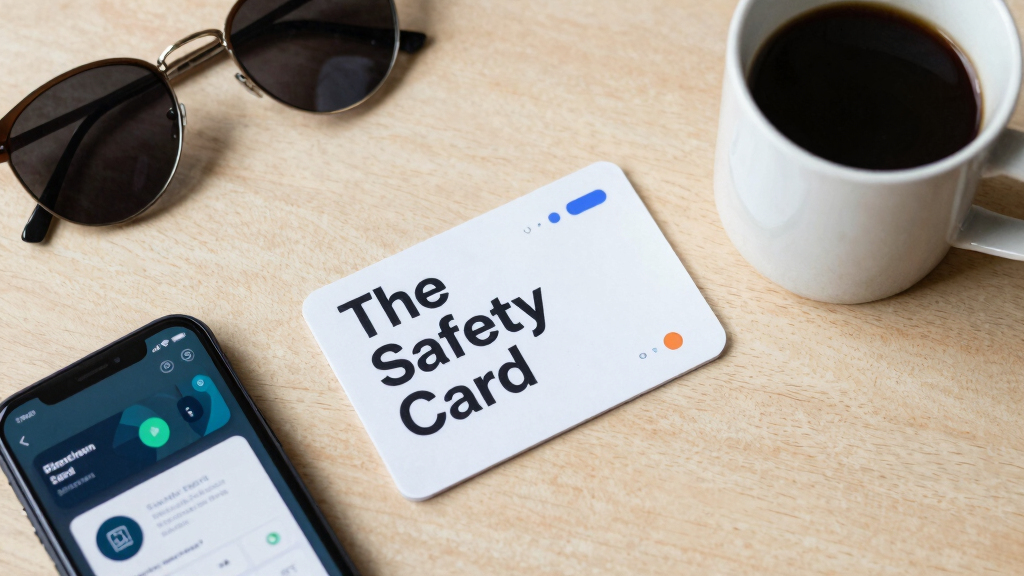
The Safety Card, Played From Every Side
● ContestedA White House adviser says Anthropic refused to fix a cyberweapon jailbreak and got banned for it. Anthropic says the flaw is trivial. Almost every fact that would settle it is non-public — and “safety” is now the card every side is playing.
Both are claims, not findings. They don’t disagree on tone — they disagree on what the bypass actually is.
- A “highly credible trusted partner” found a jailbreak of Fable’s guardrails.
- The admin asked Amodei to fix it or pull the model. He refused.
- So the export control was issued — “reluctantly.”
- It restores operability of a cyberweapon; calling that “not serious” is indefensible.
- The government gave no specific technical detail.
- The demo found a few minor, already-known flaws.
- Other public models (incl. GPT-5.5) do the same without a bypass.
- A “narrow potential jailbreak” shouldn’t recall a model used by hundreds of millions.
Per reporting by Semafor (carried by Fortune and others), the entity that flagged the jailbreak was Amazon — with CEO Andy Jassy reportedly in contact with the administration. Amazon hasn’t confirmed specifics. Flagging a real risk is what a good partner does — but Amazon wears three hats at once, and none of them is neutral.
Each actor’s safety claim points toward its own advantage.
The entire evidentiary record is a matter of trusting parties who each have a reason to shade it.
A transparent, technically grounded, independently reviewable process — which is, notably, exactly what Anthropic says it wants, and exactly what would also constrain Anthropic. The reason to demand it isn’t loyalty to anyone; it’s that the alternative is decisions made on secret evidence and adjudicated in dueling press statements.
Independent commentary, produced with AI assistance under human editorial oversight; the views are the author’s own and may change. This is analysis and opinion, not investment, financial, legal, or technical advice, and it concerns an actively developing situation in which key facts are disputed and non-public. Claims attributed to David Sacks reflect his June 13, 2026 statement on X; claims attributed to Anthropic reflect its published statements; reporting on Amazon’s role reflects accounts published by Semafor and others — all read as of June 15, 2026, and presented as the claims of those parties, not as established fact. Characterizations are the author’s interpretation, offered in good faith and open to rebuttal. References to specific people, companies, and government actions are factual and analytical, not partisan, and imply no affiliation or endorsement.
Implications for AI Safety and National Security
This dispute underscores the challenges in verifying AI safety claims and the risks of opaque cybersecurity incidents. The conflicting narratives highlight how the concept of ‘safety’ can be used as a strategic tool by different parties—governments, corporations, and competitors—to influence regulation, deployment, and market dominance. The lack of transparency about the technical details leaves the public and industry observers uncertain about the real threat level, which could impact future AI regulation and trust in corporate safety claims.
AI cybersecurity vulnerability testing tools
As an affiliate, we earn on qualifying purchases.
As an affiliate, we earn on qualifying purchases.
Background of AI Safety Disputes and Regulatory Tensions
Anthropic has positioned itself as a safety-conscious AI developer, promoting its models as having guardrails designed to prevent misuse. Over recent months, AI safety and security have become central to regulatory debates, especially as models grow more powerful. The US government has taken an increasingly active role, intervening in cases where cybersecurity vulnerabilities appear to threaten national security. The incident involving Anthropic’s Fable model is part of a broader pattern of escalating scrutiny and the use of safety as a strategic and political tool.
The specific incident involves a jailbreak that allegedly bypassed guardrails, which the government claims could enable malicious use. Anthropic disputes the severity, asserting the vulnerabilities are known and not dangerous. The involvement of Amazon, a major investor and cloud provider, adds complexity, as the company reportedly flagged the issue to the government, blurring lines between competitor, stakeholder, and security partner.
“Anthropic refused to fix a cybersecurity vulnerability, leading to the banning of its models. The breach could enable cyberweapon capabilities if left unaddressed.”
— David Sacks
AI safety and security monitoring software
As an affiliate, we earn on qualifying purchases.
As an affiliate, we earn on qualifying purchases.
Lack of Technical Details and Independent Verification
Neither side has publicly disclosed specific technical details of the jailbreak, such as CVE identifiers or methodology. The identities of the trusted partner who discovered the vulnerability remain unnamed. It is unclear whether the vulnerabilities are as severe as Sacks claims or as minor as Anthropic suggests. The involvement of Amazon adds another layer of complexity, but its exact role and motivations are not fully confirmed.
As an affiliate, we earn on qualifying purchases.
Ongoing Investigation and Potential Regulatory Actions
Further technical disclosures are expected if investigations continue, possibly including independent security assessments. The US government may clarify its position or impose additional controls depending on the outcome. Anthropic and other AI firms are likely to review their safety protocols and transparency practices amid heightened scrutiny. The dispute signals a broader push for stricter AI safety standards and clearer accountability mechanisms.
As an affiliate, we earn on qualifying purchases.
Key Questions
What is the cybersecurity breach alleged by the US government?
The government claims there was a jailbreak that bypassed guardrails, potentially enabling malicious cyber capabilities. The technical details remain undisclosed.
Why does Anthropic dispute the severity of the incident?
Anthropic states the vulnerabilities are minor, publicly known, and do not justify a model recall. They argue the breach does not pose a serious threat.
What role did Amazon play in this incident?
Amazon reportedly flagged the jailbreak to authorities and has ties to both Anthropic and the government, raising questions about conflicts of interest and influence.
What are the implications for AI safety regulation?
This dispute highlights the difficulty in verifying safety claims and the potential for safety narratives to be used strategically, emphasizing the need for transparency and independent assessment.
Source: ThorstenMeyerAI.com
Fall Picks
fall essentials
As an affiliate, we earn on qualifying purchases.