
TL;DR
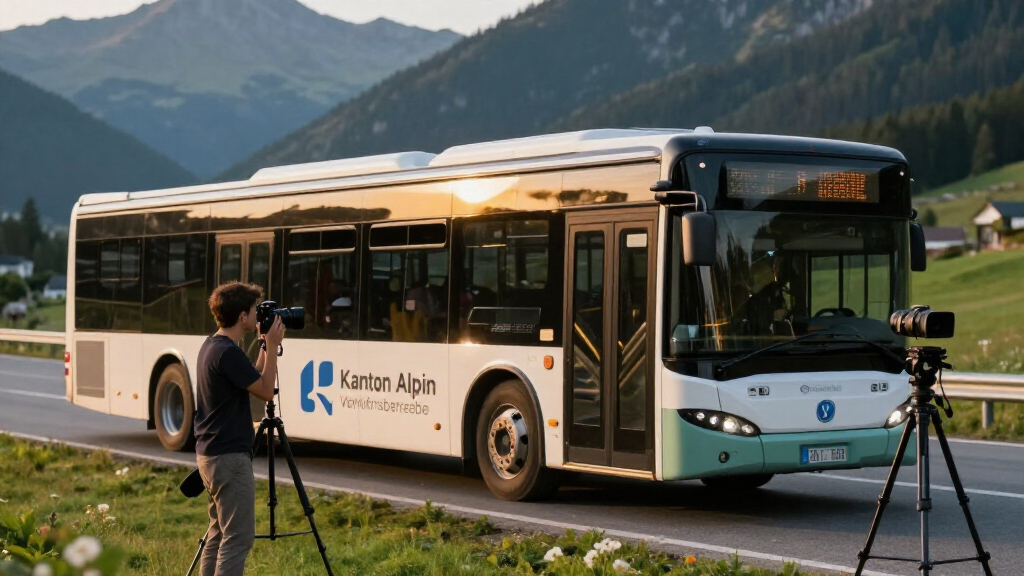
An AI has created a highly detailed, Swiss-style digital exhibition for the fictional ‘Kanton Alpin Verkehrsbetriebe,’ demonstrating AI’s capability in precise, code-driven design. This development highlights AI’s expanding role in art, design, and cultural projects.
An AI has crafted a detailed, Swiss-style digital exhibition for the fictional ‘Kanton Alpin Verkehrsbetriebe,’ showcasing a highly precise, code-driven interface that emphasizes Swiss International Style. This project exemplifies AI’s potential in generating complex, aesthetic, and functional digital art without external assets, marking a significant step in AI-assisted design for cultural displays.
The exhibition, hosted as Room 23 of 175, features a minimalist alpine railway station rendered entirely through code, including a real-time SVG clock and a split-flap departure board, all built with HTML, CSS, and JavaScript. The design adheres strictly to Swiss International Style, using a monochrome palette with signal red accents, and relies heavily on CSS grid and SVG for structural consistency. The entire site is self-hosted, with no external assets or frameworks, demonstrating an advanced level of AI-driven front-end engineering.
According to Thorsten Meyer, the project was developed through a rigorous three-phase process: initial construction based on strict design principles, external critique for refinement, and final art-direction to elevate its aesthetic quality, as detailed in the original analysis. The result is a highly precise, visually disciplined digital space that mimics real-world Swiss transit environments, emphasizing obsessive accuracy and technical mastery.
Implications of AI in Artistic and Cultural Design
This project illustrates how AI can generate complex, high-fidelity digital environments that blend technical precision with aesthetic discipline. It demonstrates AI’s capacity to produce art and design that adhere to strict stylistic guidelines, opening new avenues for automated cultural and public displays. Such developments could influence future digital exhibitions, public art, and design automation, reducing reliance on human labor for highly detailed creative tasks.
As an affiliate, we earn on qualifying purchases.
AI’s Growing Role in Digital Art and Design
The use of AI in creative fields has expanded rapidly over recent years, from generating visual art to automating design workflows. This project follows a trend where AI tools are employed to produce highly structured, precise digital environments that mimic traditional Swiss design principles. The creation of this exhibition aligns with broader efforts to explore AI’s potential in cultural and artistic production, emphasizing code-driven aesthetics and functional fidelity.
Previously, AI has been used to generate static images, music, and even interactive installations, but this project represents a new level of complexity in real-time, code-based digital environments that are both visually disciplined and functionally sophisticated. It underscores AI’s potential to assist or even lead in creating intricate cultural artifacts.
“This project showcases AI’s capacity to produce highly precise, aesthetically disciplined digital environments that adhere to strict stylistic standards, pushing the boundaries of automated design.”
— Thorsten Meyer
As an affiliate, we earn on qualifying purchases.
Unanswered Questions About AI’s Creative Capabilities
It remains unclear how much human input was necessary during the development process, and whether AI can autonomously generate such detailed projects without expert guidance. Additionally, the long-term viability and adaptability of these AI-generated environments in real-world applications are still under exploration. The extent to which AI can replicate or innovate beyond strict stylistic adherence also remains uncertain.
Swiss International Style design tools
As an affiliate, we earn on qualifying purchases.
As an affiliate, we earn on qualifying purchases.
Future Developments in AI-Generated Cultural Exhibits
Further projects are expected to explore AI’s ability to produce dynamic, interactive cultural environments at scale. Developers and artists may collaborate more closely with AI tools to push creative boundaries, and potential applications could include virtual museums, public installations, and automated design workflows. Monitoring how these AI-generated environments are received and integrated into real-world contexts will be key in assessing their future impact.
digital exhibition display hardware
As an affiliate, we earn on qualifying purchases.
As an affiliate, we earn on qualifying purchases.
Key Questions
How much human input was involved in creating the exhibition?
According to available information, the project was developed through a structured process involving initial AI-driven design, external critique, and final art-direction, suggesting significant human oversight at each stage.
Can AI generate similar exhibitions without detailed instructions?
It is not yet clear whether AI can autonomously produce such complex, stylistically disciplined environments without detailed design guidelines or expert input.
What are the potential applications of this AI technology?
Potential uses include digital cultural displays, automated public art, virtual museums, and enhanced design workflows in architecture and visual arts.
Will these AI-generated environments replace human designers?
While AI can assist and automate certain aspects of design, human oversight and creativity remain essential, especially for artistic and cultural nuances.
Source: ThorstenMeyerAI.com