

Before engaging with crypto, you need a solid infrastructure in place. Establish clear regulatory frameworks, ensuring compliance with local and global laws. Implement robust cybersecurity measures, such as multi-signature wallets and threat detection systems, to safeguard your assets. Set up real-time monitoring and automated reporting tools to quickly detect irregular activities and stay compliant. Building a secure, regulated foundation is essential—keep exploring to discover how to effectively develop this infrastructure for success.
Key Takeaways
- Robust regulatory frameworks to ensure compliance and legal clarity in crypto transactions and reporting.
- Advanced cybersecurity measures to protect assets, data, and infrastructure from cyber threats.
- Real-time monitoring and automated reporting systems for swift detection and response to suspicious activities.
- Secure storage solutions like cold wallets and multi-signature protocols to safeguard digital assets.
- A resilient, adaptable infrastructure that incorporates risk management and stays aligned with evolving crypto regulations.

Before diving into the world of cryptocurrency, you need a solid infrastructure in place to navigate its complexities safely and efficiently. This foundation isn’t just about having the right technology; it’s about understanding and implementing the essential systems that ensure compliance, security, and stability. One of the first steps you must take is establishing clear regulatory frameworks. These frameworks act as your roadmap, guiding how you handle transactions, data privacy, and reporting requirements. Without them, you risk falling into legal pitfalls that could jeopardize your operations. You need to understand both existing laws and upcoming regulations in your jurisdiction and globally, so you can adapt proactively. This knowledge helps you avoid penalties and build trust with clients and regulators alike. Additionally, having documented policies and procedures aligned with your regulatory obligations creates a compliance framework that supports consistent and lawful operations. Developing a comprehensive regulatory strategy early on can significantly streamline your compliance efforts as your crypto activities expand.
Risk management is equally vital. Cryptocurrency markets are highly volatile, and the lack of traditional oversight makes them more susceptible to fraud, hacking, and operational failures. As you prepare to engage with crypto, you must develop robust risk management strategies. This involves implementing secure storage solutions, like cold wallets or multi-signature wallets, to protect assets from theft. You also need to establish comprehensive cybersecurity protocols to defend against hacking attempts, phishing scams, and malware. Additionally, you should regularly conduct risk assessments to identify vulnerabilities and update your defenses accordingly. This proactive approach minimizes potential losses and helps maintain your reputation. Incorporating security protocols aligned with your risk management plan further strengthens your defenses. Furthermore, leveraging advanced network security measures can help safeguard your infrastructure from evolving cyber threats. Keeping abreast of emerging cybersecurity threats is essential for maintaining a resilient infrastructure.
Building a reliable infrastructure also requires integrating technology that supports real-time monitoring and reporting. These systems enable you to track transactions, detect suspicious activities, and ensure compliance with regulatory frameworks. Automated reporting tools can streamline the process of submitting necessary documentation to authorities, reducing the risk of human error. Furthermore, you should consider partnering with legal and compliance experts who specialize in crypto regulations. Their insights ensure your policies stay current and compliant, saving you from costly legal challenges down the line.
In essence, the success of your crypto ventures depends on how well you establish a secure, compliant, and resilient infrastructure. Prioritizing regulatory frameworks and risk management right from the start allows you to operate confidently and sustainably. As you build this foundation, remember that the landscape is constantly evolving. Staying informed and adaptable is key to navigating the complexities of crypto safely. With a solid infrastructure in place, you’ll be better equipped to harness the potential of digital assets while minimizing the inherent risks.
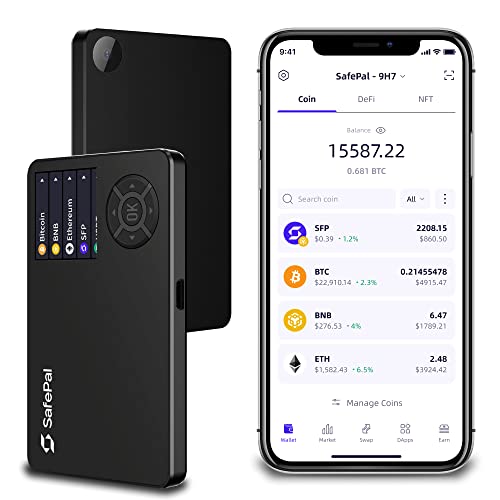
SafePal S1 Cryptocurrency Hardware Wallet, Open Source Crypto Wallet, Securely Stores Private Keys, Cold Storage for Bitcoin, Ethereum and More Tokens, NFTs, Seed Phrases & Crypto Assets
[100% off-line] SafePal S1 adopts an air-gapped signing mechanism, without any connection of Bluetooth, WiFi, NFC, or other…
As an affiliate, we earn on qualifying purchases.
As an affiliate, we earn on qualifying purchases.
Frequently Asked Questions
How Do Regulations Differ Across Countries for Crypto Infrastructure?
You’ll find that regulations across countries vary greatly due to differing approaches to regulatory sovereignty and tax compliance. Some nations impose strict rules on crypto exchanges, requiring detailed reporting and licensing, while others adopt a more lenient stance. This patchwork means you must navigate each country’s legal landscape carefully, ensuring compliance with local tax laws and regulations to avoid penalties. Understanding these differences is essential for operating or investing in crypto infrastructure globally.
What Security Measures Are Essential for Crypto Infrastructure?
You must implement rock-solid security measures to protect crypto infrastructure. Imagine your assets are under siege—only secure custody can keep them safe from hackers. Disaster recovery plans are your shield, ensuring you bounce back instantly if disaster strikes. Use multi-layered encryption, regular audits, and access controls. These measures aren’t optional; they’re your fortress, safeguarding your operations and building trust in this volatile digital world.
How Scalable Are Current Blockchain Technologies for Institutional Use?
Current blockchain technologies face notable scalability challenges, limiting their suitability for institutional use. While transaction throughput has improved with solutions like layer 2 protocols and sharding, these enhancements still struggle to meet the high-volume demands of institutions. You’ll find that, despite progress, many blockchains can’t yet handle the massive transaction loads institutions require without compromising speed or security. Continued innovation is essential to overcome these scalability hurdles effectively.
What Are the Costs Associated With Building Crypto Infrastructure?
Building crypto infrastructure costs can skyrocket, especially when you factor in token standards and mining protocols. Ironically, you’ll spend more on compliance, security, and scalability than you initially expected. You’ll need robust hardware, software, and expert talent, all while managing complex standards like ERC-20 or BEP-2. It’s a costly journey, but essential if you want to avoid the chaos of unregulated, unreliable systems.
How Do Interoperability Issues Affect Crypto Infrastructure Development?
Interoperability challenges hinder your crypto infrastructure development by making it difficult for different blockchains to communicate seamlessly. These issues slow down transaction speeds, increase complexity, and raise security concerns. To overcome this, you should explore cross-chain solutions that enable smooth asset transfers and data sharing across various platforms. Addressing interoperability is essential for building a robust, scalable crypto infrastructure that can support widespread adoption and innovation.

TANGEM Wallet Pack of 2 – Secure Crypto Wallet – Trusted Cold Storage for Bitcoin, Ethereum, NFT's & More Coins – 100% Offline Hardware Wallet
THE HIGHEST LEVEL OF SECURITY: Tangem Wallet generates the private key that never leaves the card. Your crypto…
As an affiliate, we earn on qualifying purchases.
As an affiliate, we earn on qualifying purchases.
Conclusion
Before diving into crypto, make sure your infrastructure is solid. For instance, imagine a startup that invests in robust security protocols and scalable systems before launching a crypto platform. They avoid costly outages and hacks, gaining customer trust. By ensuring your infrastructure can handle the complexities and risks of crypto, you set yourself up for success. Don’t rush—build a strong foundation first, so your crypto journey is smooth, secure, and sustainable.

Practical Threat Detection Engineering: A hands-on guide to planning, developing, and validating detection capabilities
As an affiliate, we earn on qualifying purchases.
As an affiliate, we earn on qualifying purchases.
automated crypto compliance reporting tools
As an affiliate, we earn on qualifying purchases.
As an affiliate, we earn on qualifying purchases.