

To turn users into stakeholders through fee-sharing models, you need to create transparent and fair revenue splits that reward their contributions. By aligning incentives and sharing profits based on their role or value added, you foster trust and encourage active participation. Simplify the process to avoid confusion and build long-term partnerships. When you design adaptable, mutually beneficial models, users feel invested and motivated. Keep exploring to discover how these strategies can transform engagement into shared success.
Key Takeaways
- Implement revenue-sharing schemes that reward user contributions, fostering a sense of ownership and active participation.
- Design transparent fee models that clearly communicate how users can benefit financially from their engagement.
- Align user incentives with business goals through performance-based rewards and profit-sharing opportunities.
- Use flexible fee-sharing structures that adapt over time to reflect user contributions and changing market conditions.
- Promote trust and long-term collaboration by ensuring fee divisions are simple, fair, and mutually beneficial.

Fee-sharing models are essential frameworks that determine how service providers and partners divide revenues generated from their collaborations. When you implement these models effectively, you create a clear structure for revenue distribution that benefits all parties involved. This clarity encourages trust and transparency, making it easier to manage expectations and avoid disputes down the line. At the core of these models is the idea of incentive alignment, which ensures that everyone’s interests are geared toward the same goals. If your fee-sharing setup is off, you risk misaligned incentives that can lead to underperformance or even conflicts. Consequently, choosing a model that promotes mutually beneficial outcomes is vital.
Effective fee-sharing models promote transparency, trust, and aligned incentives for mutually beneficial collaborations.
In designing a fee-sharing model, you want to consider how revenue will be split based on contributions, roles, or value added. For example, if you’re working with multiple stakeholders, you might allocate a larger share to those who bring in the most clients or provide the most critical services. This approach reinforces incentive alignment because each party feels motivated to maximize their efforts, knowing that their compensation corresponds to their input. When everyone’s earning potential is tied directly to their performance, you’ll find that collaboration becomes more dynamic and productive. Additionally, transparent revenue distribution helps prevent misunderstandings and builds long-term trust, which is crucial for sustained success.
Another key aspect to consider is the flexibility of your fee-sharing arrangement. You should be able to adapt your model as your business evolves or as market conditions change. This flexibility allows you to maintain incentive alignment even when circumstances shift, ensuring your partnerships remain aligned with your strategic goals. For example, you might start with a fixed percentage split but shift toward a performance-based model as relationships deepen. This adaptability not only motivates partners to go above and beyond but also keeps everyone focused on shared success rather than individual gains. Moreover, understanding the importance of revenue sharing in fostering collaborative growth can help you design more effective partnership structures.
Finally, remember that the most effective fee-sharing models are simple and easy to understand. Complexity can lead to confusion and disputes, undermining the very incentive alignment you’re trying to achieve. Clear communication about how revenue is distributed and why certain splits are in place will foster trust and cooperation. When you set up a fair, transparent, and adaptable fee-sharing structure, you turn your users and partners into stakeholders who are genuinely invested in the growth and success of your collaboration. This approach transforms transactional relationships into strategic alliances, setting the stage for mutual prosperity.

MikroTik RDS2216 ROSE Data Server, 16-Core ARM CPU 32GB RAM, 20× U.2 NVMe Storage Platform, 2× 100G QSFP28, 4× 25G SFP28, 4× 10G SFP+, RouterOS Enterprise Rackmount Network Appliance
- All-in-One Data Server: Combines networking, storage, and compute
- High-Density NVMe Storage: Supports up to 20 U.2 NVMe SSDs
- Multi-Gigabit Connectivity: Includes 2×100G, 4×25G, 4×10G ports
As an affiliate, we earn on qualifying purchases.
Frequently Asked Questions
How Do Fee-Sharing Models Impact User Privacy and Data Security?
Fee-sharing models can markedly affect your data privacy and security risks. When users become stakeholders, they often share more personal information, increasing exposure to data breaches or misuse. You might also face security vulnerabilities if companies don’t implement proper safeguards. It’s essential to stay aware of how your data is shared and protected, as fee-sharing models can blur boundaries and elevate risks related to data privacy and security.
What Are the Long-Term Financial Implications for Platforms Adopting Fee-Sharing?
You should consider that adopting fee-sharing models impacts your platform’s long-term finances by promoting profit redistribution among users and stakeholders. This approach can enhance revenue stability through increased user engagement and loyalty, but it may also reduce short-term profits. Over time, it encourages a more sustainable revenue flow, ensuring your platform remains competitive and financially viable as you foster a community invested in its success.
How Do Fee-Sharing Models Influence User Behavior and Platform Engagement?
You’ll find that fee-sharing models boost user motivation by aligning their interests with platform success. This encourages more active participation and strengthens engagement strategies, as users see direct benefits from their involvement. When users become stakeholders, they’re more likely to contribute quality content and stay committed long-term. Ultimately, this creates a more vibrant community, driving sustained engagement and fostering loyalty that benefits both users and the platform.
Are Fee-Sharing Models Sustainable Across Different Industry Sectors?
You might wonder if fee-sharing models work long-term across industries. Their sustainability depends on factors like market volatility, which can affect revenue and user incentives, and regulatory compliance, ensuring fair practices. If these models adapt to changing economic conditions and legal requirements, they can remain viable. However, without careful management of risks and regulations, they could face challenges, making their success unpredictable across different sectors.
What Legal Considerations Should Companies Address When Implementing Fee-Sharing?
When implementing fee-sharing, you need to address legal considerations like regulatory compliance to guarantee your model aligns with industry laws. You should also carefully draft contractual obligations, clearly defining each party’s responsibilities and rights to avoid disputes. By proactively managing these aspects, you protect your business from legal risks and foster transparent partnerships that support sustainable growth in your fee-sharing arrangements.

Synology DS425+ Private Cloud Media Server - Stream, Back Up & Share Files (4-Bay Diskless NAS)
- High-Speed File Sharing: 278 MB/s speeds for media and file sharing
- Supports Multiple Users: Concurrent access for 10+ users
- Centralized Storage: Store documents, files, and media assets
As an affiliate, we earn on qualifying purchases.
Conclusion
By adopting fee-sharing models, you transform users into active stakeholders, fostering deeper engagement and loyalty. These models align everyone’s interests, encouraging users to contribute more and feel invested in the platform’s success. Embracing fee-sharing not only boosts growth but also creates a community where users have a real stake. Ultimately, turning users into stakeholders drives sustainable success, making your platform more resilient and innovative in today’s competitive landscape.

UGREEN NAS DXP2800 2-Bay, Ideal for Advanced Home Users, Remote Workers
- All-Round NAS for Creators: Suitable for enthusiasts and content creators
- User-Friendly Storage Platform: Intuitive and secure data management
- Cost-Effective Storage Solution: One-time purchase with no ongoing fees
As an affiliate, we earn on qualifying purchases.
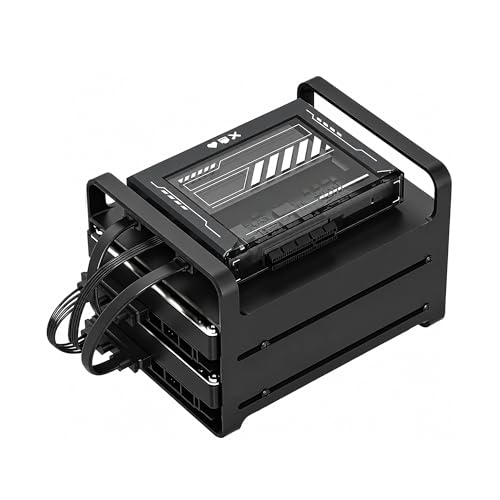
ZimaBlade 7700 x86 Home Server & 2-Bay NAS Kit, Intel Quad-Core, 16GB RAM
- Versatile Mini Server for DIY Projects: Build homelab, cloud, or Docker host
- Broad Compatibility with x86 Platform: Supports Linux, Docker, CasaOS, and more
- 16GB RAM for Multi-Tasking: Handles file sharing, streaming, backups smoothly
As an affiliate, we earn on qualifying purchases.