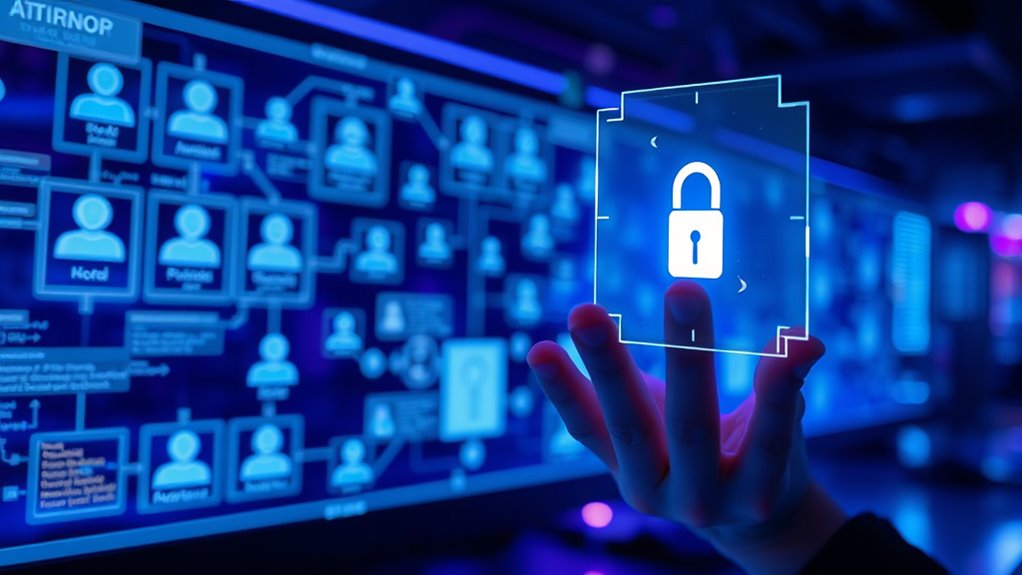

Decentralized identity in Web3 puts you in full control of your personal data, substituting reliance on centralized authorities like governments or corporations. You can manage and share credentials securely, using cryptographic proofs that protect your privacy. This system reduces fraud risks and ensures seamless interoperability across platforms. As you explore further, you’ll discover how this shift empowers you to own your online identity, fostering a safer, more private digital experience.
Key Takeaways
- Decentralized identity empowers users to control and share personal data selectively without relying on centralized authorities.
- Privacy-preserving protocols enable proof of identity attributes without exposing sensitive information.
- Credential management using cryptographic keys enhances security and reduces risks of fraud and hacking.
- Blockchain integration ensures tamper-proof, verifiable credentials across Web3 platforms.
- Overall, decentralized identity promotes digital independence, privacy, and trust in the evolving Web3 ecosystem.
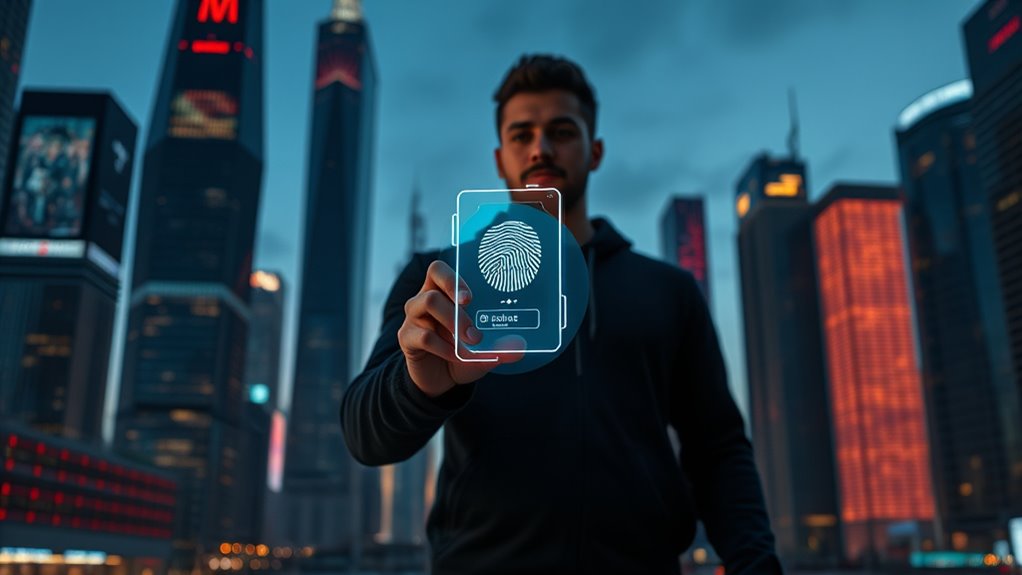
Decentralized identity is transforming how we manage and verify personal information in the Web3 era. Instead of relying on centralized authorities like governments or corporations, you now have the power to control your own digital identity through self sovereign credentials. These credentials are your personal data certificates that you hold and manage directly, giving you full ownership and decision-making authority. With self sovereign credentials, you decide what information to share and when, reducing the risk of data breaches and misuse. This shift puts you in the driver’s seat, allowing for a more secure and private online experience.
Decentralized identity puts you in control of your digital data, enhancing security and privacy online.
Privacy preserving protocols play an essential role in this new identity landscape. These protocols enable you to prove your identity or certain attributes without revealing unnecessary details. For instance, instead of sharing your full birthdate or address, you can prove you’re over 18 or a resident of a specific country without exposing sensitive data. This approach minimizes data exposure and enhances your privacy. Such protocols are built into decentralized identity systems, ensuring that your personal information remains confidential while still allowing you to authenticate yourself reliably.
The core benefit of decentralized identity is that it eliminates the need for multiple passwords and accounts across different platforms. You don’t have to remember dozens of login details or trust third parties with your data. Instead, your identity is secured through cryptographic keys stored on your device or a secure wallet. When you want to access a service, you present a cryptographic proof, which is verified instantly and securely. This method drastically reduces identity theft and fraud risks, as hackers can’t hijack credentials stored locally on your device.
Moreover, decentralized identity fosters interoperability. You’re not locked into a single platform or service; your credentials can be used across various Web3 applications seamlessly. This flexibility supports a more open and user-centric internet, where you’re in control of your digital footprint. The use of blockchain technology ensures that your credentials are tamper-proof and verifiable at any time, adding an extra layer of trustworthiness. As the Web3 ecosystem expands, this decentralized approach will become more widespread, giving you greater control over your digital presence.
In essence, decentralized identity empowers you to take ownership of your personal data, making online interactions safer, more private, and more efficient. With self sovereign credentials and privacy preserving protocols, you can navigate the digital world confidently, knowing your identity isn’t in the hands of third parties but securely managed by you. A key advantage is that the contrast ratio in these systems ensures your credentials remain clear and legible, preventing misinterpretation or tampering. This transformation is not just about technology; it’s about reclaiming your digital independence and shaping a more trustworthy internet for everyone.
Frequently Asked Questions
How Secure Is Decentralized Identity Compared to Traditional Methods?
Decentralized identity is generally more secure than traditional methods because it uses biometric verification and blockchain technology. You control your data, reducing risks of hacking or identity theft. Privacy preservation is enhanced since your information isn’t stored in a single centralized database. Plus, cryptographic protection keeps your identity safe, making it harder for malicious actors to access or tamper with your personal data.
Can Decentralized Identities Be Hacked or Stolen?
Yes, decentralized identities can be hacked or stolen, leading to risks of identity theft and privacy concerns. While these systems are designed with strong security, no technology is completely foolproof. You should stay vigilant, use secure wallets, and enable multi-factor authentication to protect your data. Remember, even in Web3, safeguarding your private keys is vital to prevent unauthorized access and maintain control over your identity.
What Are the Costs Involved in Implementing Decentralized Identity Solutions?
Implementing decentralized identity solutions might seem like launching a spaceship, but the costs are manageable with proper planning. You’ll face initial expenses in cost analysis, including platform setup, development, and integration. Adoption barriers like user education and infrastructure readiness could add to costs, but long-term benefits outweigh these. Overall, while there’s an upfront investment, streamlined processes and growing support make it a smart move for secure, user-controlled identities.
How Do Decentralized Identities Integrate With Existing Online Services?
Decentralized identities seamlessly integrate with existing online services by enabling you to maintain digital sovereignty and exercise greater user empowerment. You can authenticate yourself without revealing unnecessary personal data, reducing reliance on centralized providers. These solutions often connect through APIs or protocols like DID (Decentralized Identifier), allowing you to control access and share verified credentials securely. This integration enhances privacy, giving you more control over your digital footprint across platforms.
Are There Legal or Regulatory Hurdles for Decentralized Identity Adoption?
Imagine steering a maze with shifting walls; that’s what legal challenges feel like for decentralized identities. You’ll face regulatory compliance hurdles, as governments grapple with defining rules for this new tech. Laws may lag behind innovation, making adoption tricky. To succeed, you need clear legal frameworks, ensuring your decentralized identity system aligns with evolving regulations, providing both freedom and security in your digital journey.
Conclusion
Imagine holding your digital identity like a shining key in your hand, unbound by giant corporations. As Web3 unfolds, you’ll step into a world where your data flows freely through a decentralized network—secure, private, and fully under your control. This isn’t just a future dream; it’s a reality waiting to be revealed. Embrace decentralized identity, and you’ll be the master of your digital universe, steering your data with confidence and clarity.