Many companies are adopting blockchain to transform their business models, boost transparency, and improve efficiency. They are using tokenization to make assets more liquid and accessible, while blockchain’s transparency helps verify authenticity and traceability across supply chains. Smart contracts automate processes, reduce delays, and cut costs. By embracing these innovations, businesses gain a strategic edge in the evolving digital economy. Keep exploring to discover how these changes can benefit your organization too.
Key Takeaways
- Companies are integrating blockchain to tokenize assets, enabling secure, transparent, and efficient transactions across various industries.
- Businesses utilize smart contracts for automation, reducing manual processes and increasing operational speed and trust.
- Blockchain enhances supply chain transparency by tracking product origins, verifying authenticity, and ensuring compliance.
- Organizations adopt decentralized ledgers to improve security, foster trust, and create innovative, user-centric business models.
- Early adopters leverage blockchain to gain competitive advantages through increased liquidity, new revenue streams, and digital transformation.
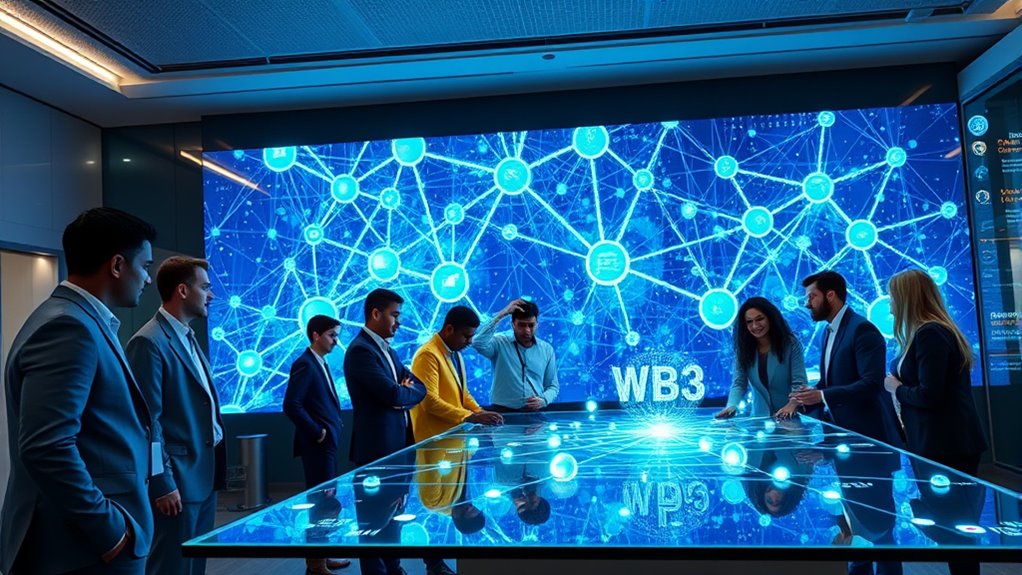
Have you ever wondered how blockchain technology is transforming the way businesses operate? The answer lies in its ability to enable tokenization innovation and improve supply chain transparency. Tokenization involves converting physical assets or intangible rights into digital tokens on a blockchain, making transactions more secure, efficient, and traceable. This shift allows companies to streamline processes, reduce fraud, and access new revenue streams. Imagine turning real estate, artwork, or even intellectual property into tokens that can be bought, sold, or traded with confidence—this is the power of tokenization innovation. It removes traditional barriers, democratizes access, and enhances liquidity, giving businesses a competitive edge in fast-paced markets. Design Thinking principles can also be applied to develop more user-centric blockchain solutions that meet diverse stakeholder needs.
Tokenization transforms assets into secure, tradable digital tokens, unlocking new opportunities and boosting market efficiency.
Supply chain transparency is another area where blockchain is making a significant impact. By recording every transaction and movement of goods on a decentralized ledger, companies gain an unalterable record that can be accessed in real-time. This means you can trace a product from its origin to the end consumer, verifying authenticity and ethical practices along the way. For businesses involved in food safety, pharmaceuticals, or luxury goods, this transparency is invaluable. It reassures customers, reduces counterfeiting, and guarantees compliance with regulations. Plus, it simplifies audits and minimizes disputes, saving time and money.
Adopting blockchain isn’t just about technology—it’s a strategic move to build trust and operational resilience. Many enterprises are integrating blockchain platforms to create seamless, automated processes through smart contracts that execute automatically when predefined conditions are met. This reduces manual oversight, speeds up transactions, and cuts costs. For example, a company can automate payments once goods are verified at each supply chain stage, eliminating delays caused by paperwork or intermediaries. These innovations foster a more agile and transparent ecosystem that benefits all stakeholders.
As you explore how your organization might leverage blockchain, consider the possibilities of tokenization innovation and supply chain transparency. These features help you enhance security, increase efficiency, and build stronger trust with partners and customers. Many enterprises are already seeing the value in adopting blockchain solutions—improving traceability, reducing fraud, and creating new business models. The potential is vast, and those who embrace these technologies early will position themselves ahead of competitors. The future of enterprise operations is digital, decentralized, and transparent, driven by the transformative power of blockchain.

Tecmojo 12U Wall Mount Server Cabinet IT Network Rack Enclosure Lockable Door and Side Panels Black,Cooling Fan,Glass Door,17.7inch Depth,for 19” IT Equipment,A/V Devices
Save valuable floor space: 12U wall mount server cabinet Dimensions: 24.25" H x21.65" W x17.72" D. MAXIMUM MOUNTING...
As an affiliate, we earn on qualifying purchases.
Frequently Asked Questions
How Do Companies Ensure Blockchain Security and Data Privacy?
You guarantee blockchain security and data privacy by implementing strong cryptography protocols that encrypt sensitive information, making it unreadable to unauthorized users. Additionally, you use data anonymization techniques to protect individual identities while maintaining data utility. Regular security audits, multi-factor authentication, and decentralized consensus mechanisms further strengthen your defenses. These measures work together to safeguard your blockchain network from threats and ensure your data remains private and secure.
What Are the Cost Implications of Adopting Web3 Technologies?
A penny saved is a penny earned, so consider the cost implications carefully. You’ll need to do a thorough cost analysis to understand initial investments, ongoing maintenance, and infrastructure upgrades. While adopting Web3 might involve higher upfront costs, it can reduce long-term operational risks and improve efficiencies. Be mindful of investment risks, as technology costs can fluctuate, but strategic planning helps maximize returns and minimizes unforeseen expenses.
How Does Web3 Impact Existing Enterprise IT Infrastructure?
Web3 impacts your existing IT infrastructure by integrating distributed ledgers and smart contracts, which enhance transparency and automation. You’ll need to adapt your systems to support blockchain nodes and secure data sharing across networks. This often involves upgrading security protocols and ensuring compatibility with decentralized platforms. As a result, your infrastructure becomes more resilient, but it requires investment in new tools and training to fully leverage distributed ledgers and smart contracts.
What Skills Are Needed for Blockchain Integration in Businesses?
Think of blockchain integration as building a new bridge; you need skills like smart contract development to create reliable, automated connections. You also need an understanding of token economics to manage the flow of digital assets effectively. These skills help you design secure, scalable solutions that align with your business goals. By mastering both, you ensure smooth adoption and maximize blockchain’s transformative potential in your enterprise.
How Do Regulatory Frameworks Influence Enterprise Blockchain Adoption?
Regulatory frameworks considerably influence your enterprise blockchain adoption by shaping how you implement solutions while ensuring global compliance. You’ll face legal challenges that require adapting your strategies to meet diverse international standards. Staying proactive about evolving regulations helps you avoid potential penalties and delays. By understanding these frameworks, you can build more secure, compliant blockchain systems that facilitate smoother adoption and foster trust with partners and customers worldwide.

Tecmojo 6U Wall Mount Server Cabinet IT Network Rack Enclosure Lockable Door and Side Panels Black, Cooling Fan, Standard Glass Door, 450mm Depth, for 19” IT Equipment, A/V Devices
Save valuable floor space: 6U wall mount server cabinet Dimensions: 13.78" H x21.65" W x17.72" D.Maximum mounting depth...
As an affiliate, we earn on qualifying purchases.
Conclusion
As you explore the world of Enterprise Web3, it’s fascinating to see how blockchain adoption quietly transforms industries. Coincidentally, as you witness companies embracing this technology, you realize that the future of business is already unfolding around you. The lines between innovation and everyday operations blur, revealing a landscape where trust, transparency, and efficiency become the new norm. Keep an eye out—you might just find yourself at the forefront of the next big shift.

GBF Smart Video Door Phone & Doorbell Intercom System with a smart keypad(PL963PMBL-POE)- 1080P Camera, Built in POE, Control Two Locks remotely, Timed Unlock, RJ45 Hardwired or WiFi Bridge connection
Convenient - Answer and view callers at your door remotely via your mobile iOS or Android device, whether...
As an affiliate, we earn on qualifying purchases.
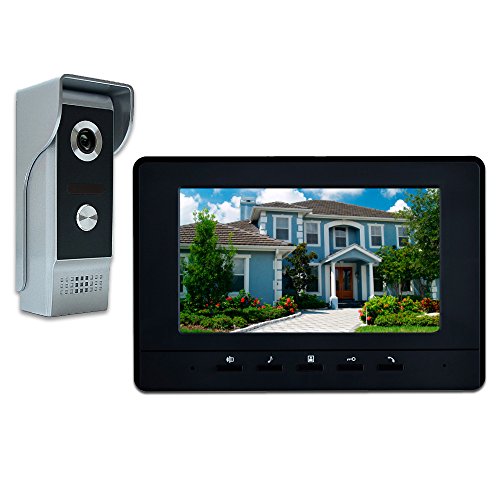
AMOCAM Wired Video Intercom System, 7 Inches Video Doorbell Door Phone System, HD Camera Kits Support Unlock, Monitoring, Dual-Way Intercom for Villa Home Office Apartment
OUTDOOR IR CAMERA --- 92 degree viewing angle,durable aluminum and acrylic front panel to protect against potential vandalism....
As an affiliate, we earn on qualifying purchases.